




Natural inspiration: a botanical Halloween
Halloween is very near! And this year we propose a very special challenge: how about celebrating it in a more sustainable way? Ideas to create incredible costumes and decorations inspired by nature, without resorting to plastic with BALADRE Crafting· Creativity. From leaf crowns to masks made with botanical elements to give a creative and eco-friendly touch to your Halloween night.
October arrives, time of pumpkins, dry leaves and also the now so popular Halloween! But imagine for a moment that plastic hasn’t been invented and we must dress up for the party. Do you think it would be possible to do it? Of course it would! And the fact is that on a day like this so rooted in the plant world in its beginnings, as it was done to celebrate the end of the harvest season, a new proposal of sustainable, botanical and planet-friendly ideas that will make you fall in love, couldn’t be missing.
The origin of Halloween
The super well-known Halloween party, also described as All Hallows’ Eve, is a festivity traditionally celebrated in English-speaking countries, but which year after year has been gaining popularity throughout the world, including Spain. With more than 2,000 years of history, this festivity comes from the Celtic celebration of Samhain, on 31st October, a day that marked the end of summer, harvest time and the beginning of winter, but which was also closely associated with death and rebirth. The Celtic people believed that on that date, the barrier between the world of the living and the dead became thinner, allowing the latter to walk among us, so dressing up was a very good option to hide from the spirits, don’t you think?
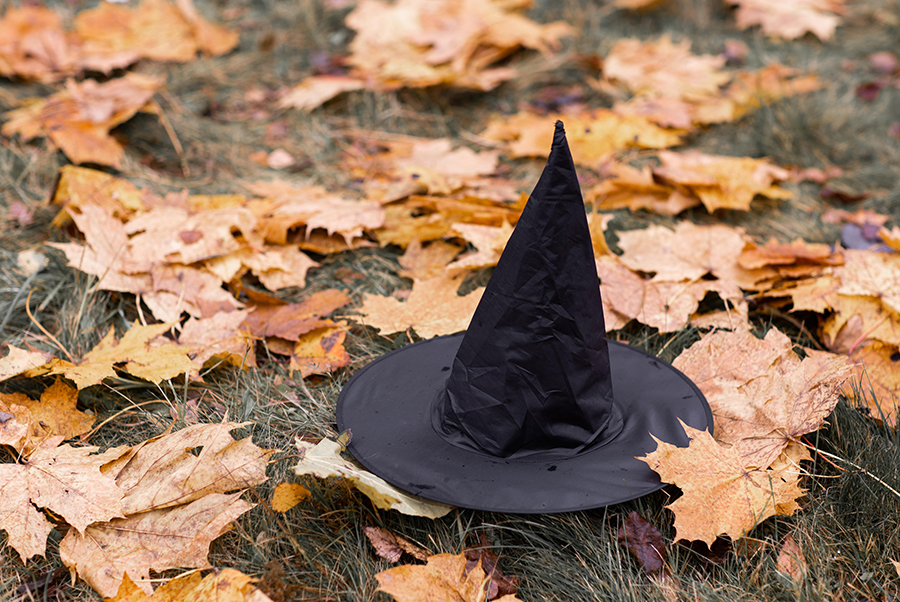
With the arrival of Christianity, the Celtic pagan festivity merged with the Christian celebration of All Saints’ Day, to remember our deceased, which came to be held on 1st November, and hence the name All Hallows’ Eve which means in English Eve of All Saints. A few days surrounded by spirituality, veneration, fear and fascination that in the case of Halloween have ended up creating a whole disturbing and mysterious imaginary, full of stories and tales of magical characters between both worlds and with traditions and rituals of all kinds. Like the famous Trick or treat, where the little ones go from house to house asking for sweets, simulating a kind of offering to the spirits and other beings that could visit us that night, so they would be happy and not frighten us.
In Spain, Halloween began to become popular from the 90’s onwards, thanks in part to the influence of American culture and globalisation. Currently, it’s common to see themed parties, special decorations in shops and families enjoying this fun and spine-chilling festivity. An annual but fleeting celebration where all kinds of unnecessary waste can be many times generated that we can rethink to minimise our ecological footprint.
Awareness for a better world
Personally, I consider it very important to have fun and dress up. In fact, we humans love to characterise ourselves! Although equally important is raising awareness about the environmental impact of the excessive use of plastics in festivities like Halloween and promoting more sustainable alternatives. Instead of choosing costumes, decorations and disposable party accessories or that come from the other side of the country or the world, a more organic, green and sustainable proposal could make a big difference.
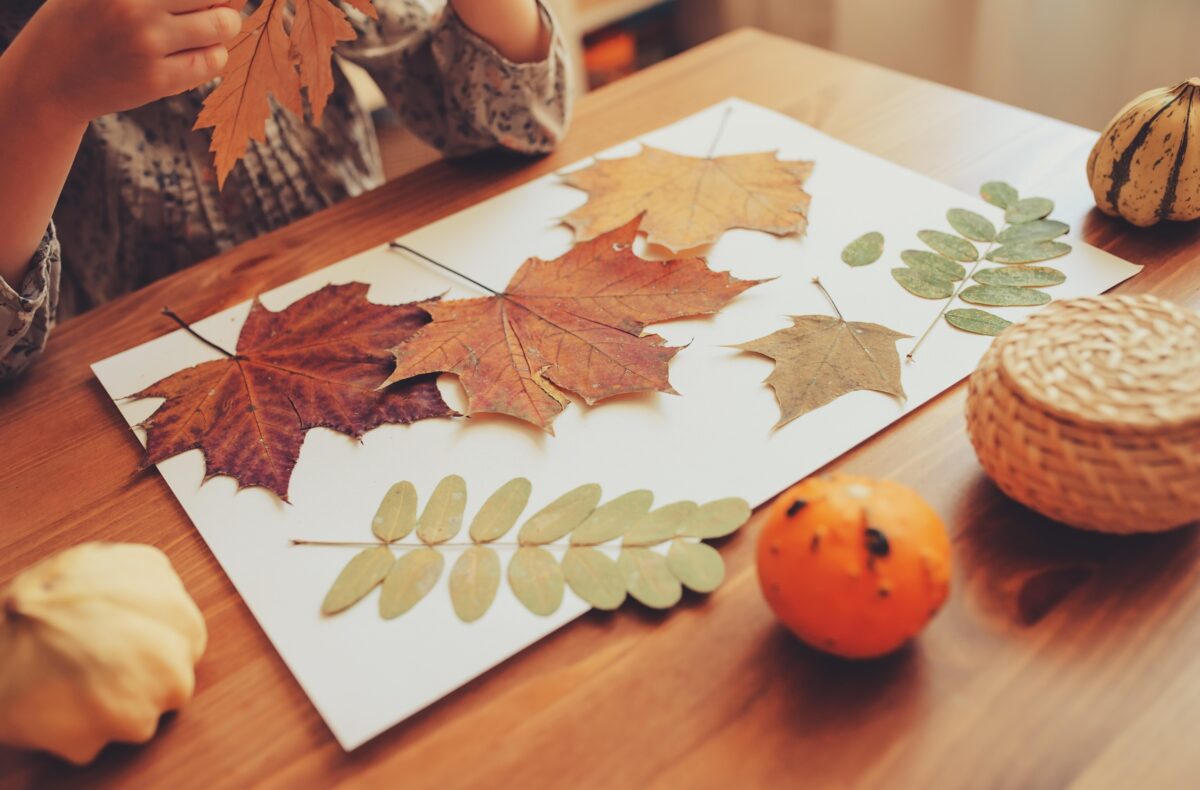
Instead of buying costumes made with synthetic materials and poor quality, creativity and reuse could be encouraged through making handmade costumes with recycled fabrics or even with natural elements like leaves, branches or other biodegradable materials like cardboard or paper. As for decoration, instead of acquiring prefabricated plastic ornaments that will soon become difficult-to-manage waste, we could chose to make our own decorations with paper and cardboard or use natural elements like pumpkins, dry leaves, pine cones, flowers or branches, which besides being more sustainable, will give a unique and original touch to the celebration.
And although it’s a bit of work, surely you can gather children, family and friends to do it all together and with the advantages of sustainability and reduction of environmental impact it entails. Look!
1. Recyclable materials: both cardboard and paper are easily recyclable materials, which means that at the end of the costume or decoration’s useful life, these materials can be recycled and reused in the manufacture of new products, therefore contributing to waste reduction.
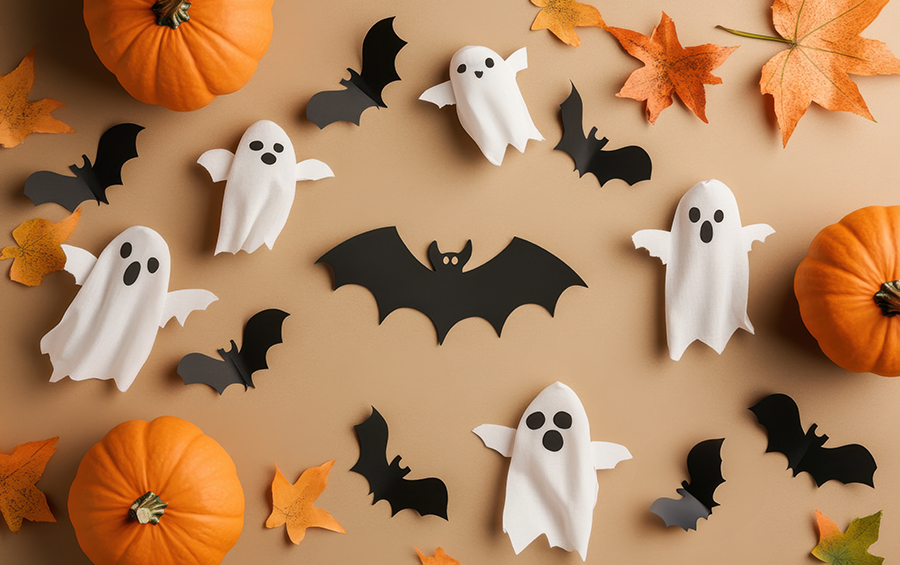
2. Low environmental impact: unlike costumes made with synthetic materials, cardboard or paper costumes have a lower environmental impact in their production, as these materials are biodegradable and their manufacturing process usually requires fewer natural resources and energy. The textile industry, on the contrary, is the second most polluting on the planet, so by reusing clothes and fabrics from home you can stretch their use to the maximum.
3. Creativity and personalisation: cardboard and paper are versatile materials that allow great creative freedom when designing and personalising costumes. This encourages creativity and imagination, as well as promoting a more handcrafted and unique approach to costume making or decoration.

4. Durability and resistance: despite being lightweight materials, cardboard and paper can be surprisingly durable and resistant, especially if given proper treatment. This means that costumes made with these materials can be reused in future celebrations or events, extending their useful life and reducing waste generation.
5. Environmental awareness: by choosing this type of solution instead of more polluting alternatives, not only because of how products are made but how they must reach you, many times in record time, environmental awareness is promoted and a positive message is sent about the importance of adopting sustainable practices in all facets of our life, including festivities.
Can you imagine it? From Espores magazine, you have the opportunity to be inspired and celebrate Halloween in a more environmentally friendly way, demonstrating that it’s possible to enjoy this festivity in a creative and fun way without needing to resort to single-use plastic.
Let’s get to work!
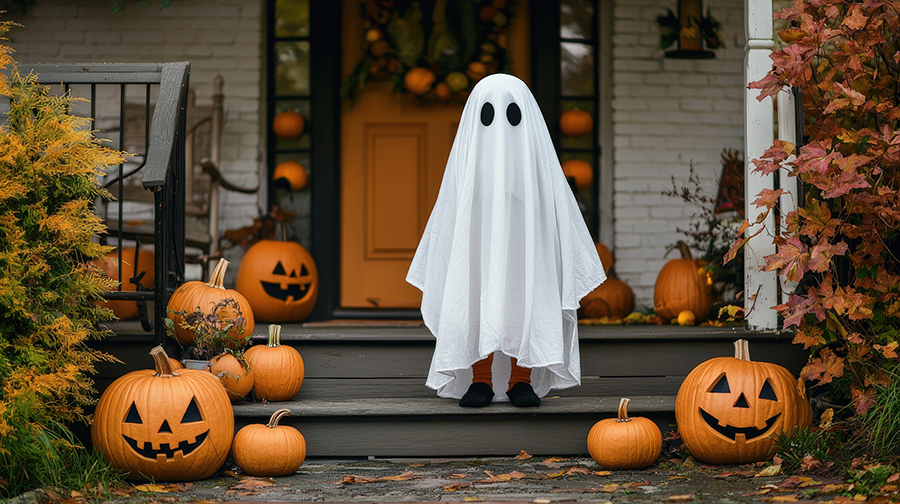
Reuse your wardrobe clothes and transform into a fortune teller; a wedding dress that won’t be worn again and voilà, with good makeup you already have a corpse bride; with an old white sheet and two holes we can make a ghost. And so, endless ideas can arise if you put your neurons to work.
A practice I really like is using leaves and botanical elements to create costumes or masks, as it can result in unique and surprising designs. With ingenuity, authentic works of art can be created. The limit is in your imagination!
1. Crowns: use large and colourful leaves to make crowns or tiaras that complement a themed costume, such as a fairy, nymph or nature goddess. You can join them with wire or green thread and add flowers or other botanical elements to give it an extra touch of magic.
2. Masks: create facial masks using dry or fresh leaves of different shapes and sizes. You can stick the leaves on a cardboard or paper base for greater rigidity and decorate them with details like seeds, twigs or moss to complete the design. These masks are ideal for forest creature or magical being costumes.
3. Leaf capes, tunics: collect dry leaves and stick or sew them onto a light fabric base to make capes or tunics that imitate the appearance of tree bark or butterfly wings. This type of piece will add texture and realism to your nature costume.
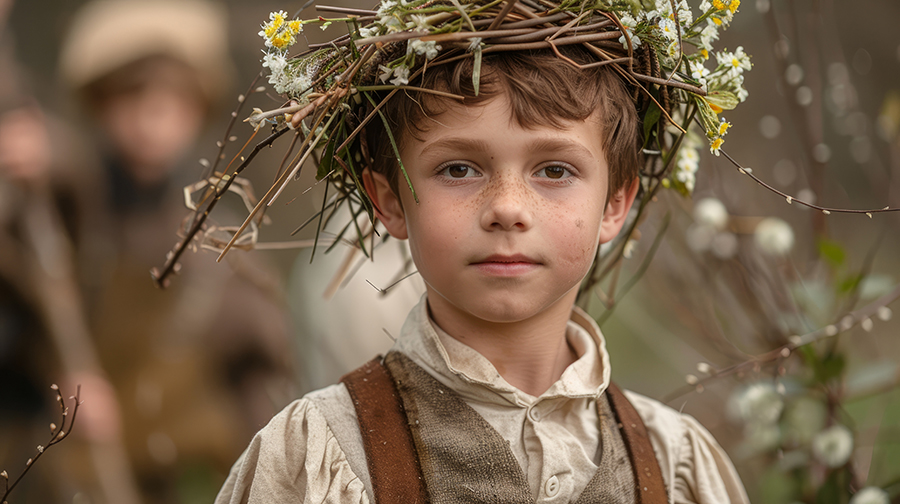
4. Botanical accessories: besides leaves, consider incorporating other botanical elements like branches, moss, flowers, seeds or dried fruits in your creations. These accessories can be used to adorn costumes, masks, hats or even shoes, adding an organic and authentic touch to your outfit.
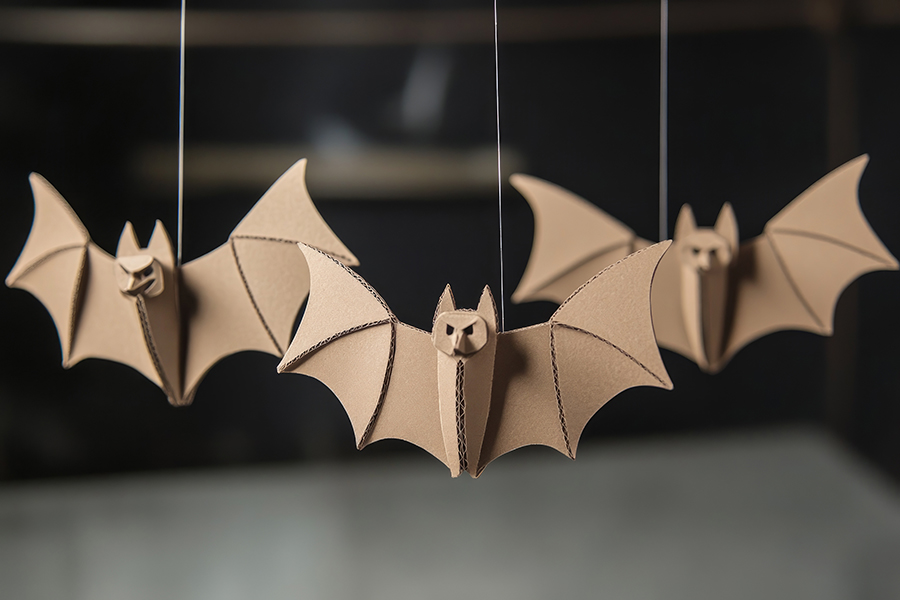
As for cardboard, personally I think whoever has a box has a treasure! Let your acquaintances know you need materials and collect the maximum amount of cardboard your home can handle. The internet is full of the easiest and most ingenious DIY’s to make costumes and masks, but you can also use it to make decorative elements. If you have garden space, a monster cemetery with boxes is always a very good option, but if not they can be the base to make a pirate ship or a mini Hansel and Gretel house, for example, or with smaller pieces of cardboard you can make your own hanging paper bats or spiders everywhere. Not to mention paper! Garlands, signs and drawings decorating rooms, accompanying fun drinks and snacks or all kinds of plant elements.
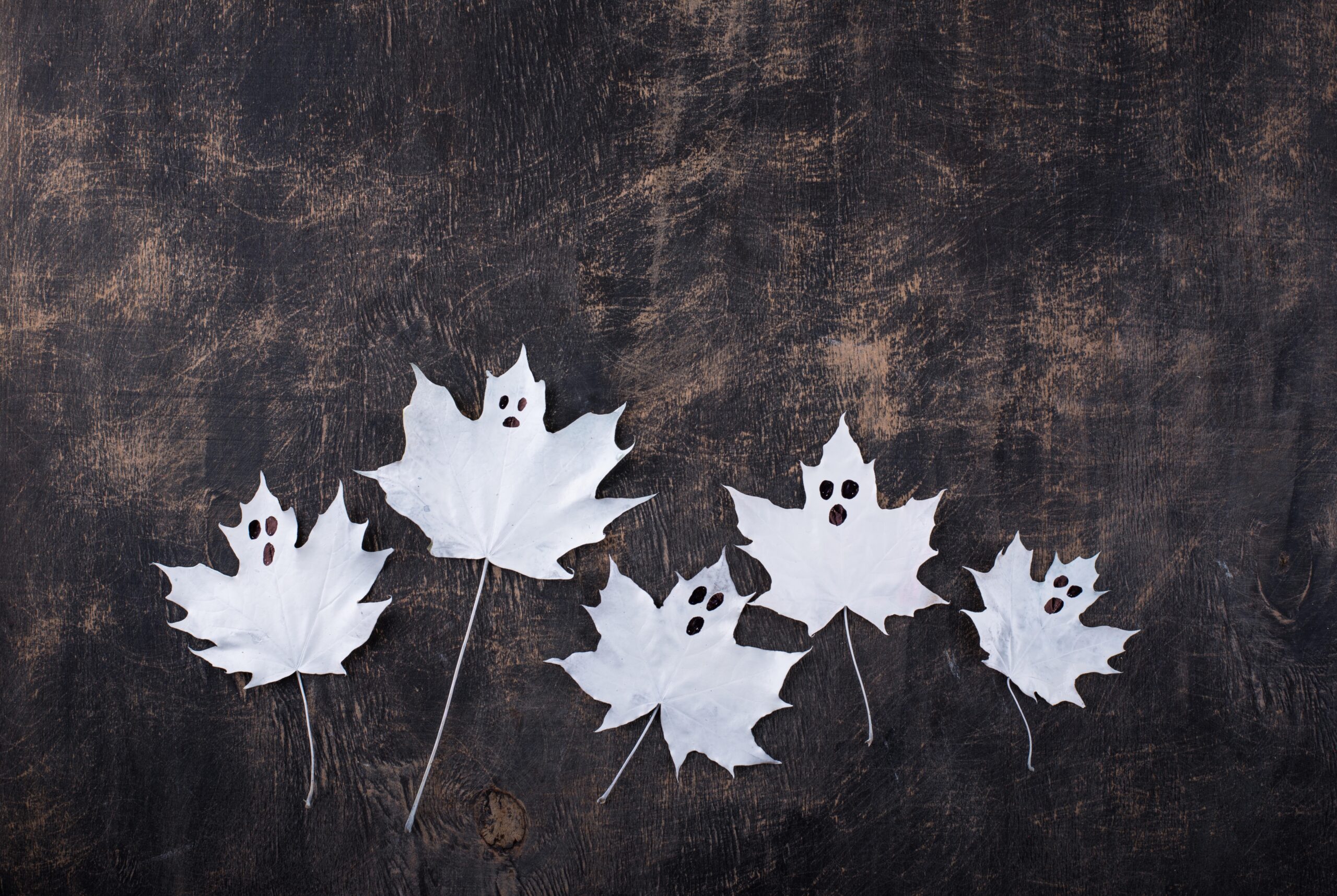
And what would a Halloween party be without the traditional carved pumpkins with sinister faces! Don’t miss the opportunity to make your own with family or even organise a contest among party guests. Branches, pine cones and dry leaves can also be the base for different crafts, let’s gather them in nature and imagine together. Branches turned into magic wands and witch’s brooms, vampire pine cones or ghost leaves… are just some ideas, but I’m sure many more will arise.
Finally, always remember to collect your botanical elements in a responsible and sustainable way, avoiding damage to local flora. Also, make sure the materials are safe for use in costumes, especially if they will be in contact with skin.
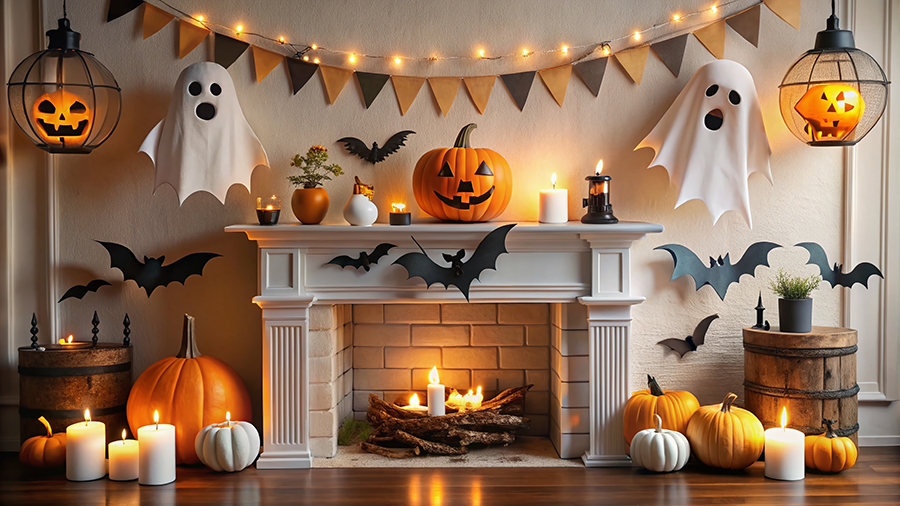
Happy eco-Halloween!
I take advantage of this post to announce that both Espores magazine and I are finalists in theEDU-CON Awards promoted by AEDE, the Spanish Digital Educators Association, these awards seek to thank and promote the work of digital professionals who share their knowledge online and whose work until now had not been officially recognised and valued.
The second edition of this congress will take place on 19th and 20th October in Valencia, and from here we congratulate all the finalists. We’re looking forward to participating in this event and making ourselves known a bit more to reach many more people!
 External Colaborator