





Botanist of the month: Eva Barreno
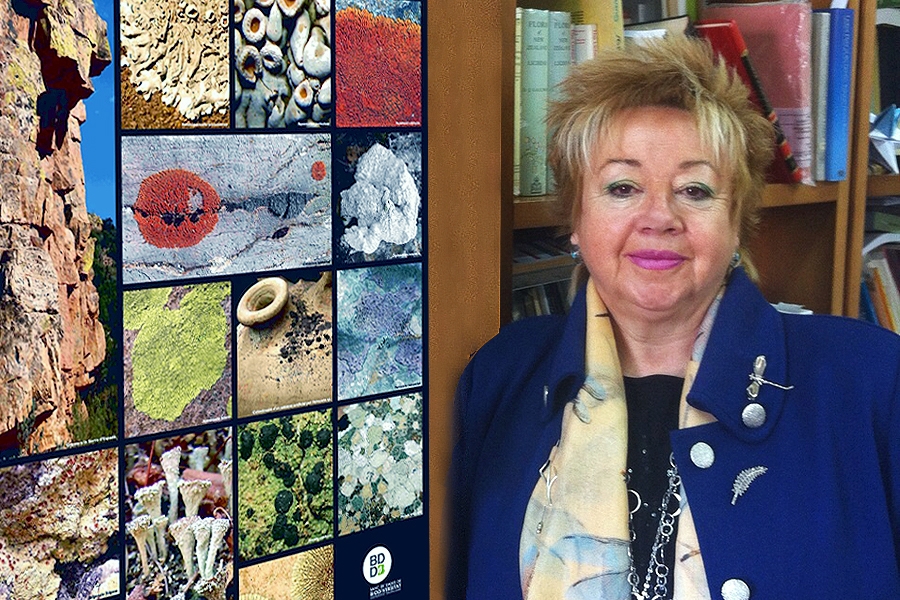
By vocation and training, Eva Barreno, Professor of Botany at the University of Valencia and affiliated with the Cavanilles Institute of Biodiversity and Evolutionary Biology (ICBiBE), considers herself an interdisciplinary researcher. Throughout her career, she has participated in and led different types of research, achieving notable advances and discoveries for science, especially in relation to her great passion: lichens.
What attracted you to the world of Botany?
To start with, my childhood and youth experiences. I lived in Madrid, but as my mother is from Asturias, we spent four months of the holidays there. I also had a direct relationship with nature, as my uncle Elías was a man who knew the countryside very well and taught me many things. On the other hand, I remember that at my school, which was quite special for the time, with a headmistress trained at the Institución Libre de Enseñanza (Free Educational Institution), we had to read a biography from a book by Vicens Vives every day. And I got Linnaeus. I wasn’t really a city girl, I was quite used to living with animals and plants, and knowing that plants had names fascinated me forever. Then I went to university and was very lucky to meet a professor like Salvador Rivas-Martínez. In my third year of university, when I wasn’t quite sure what I wanted to do in the world of biology, Salvador introduced me to plant communities and their relationship with their habitat, and I found meaning in the plants we trampled on along the paths, the ones my uncle Elías told me we could pick, the ones that were toxic… That’s when I knew I wanted to be a botanist.
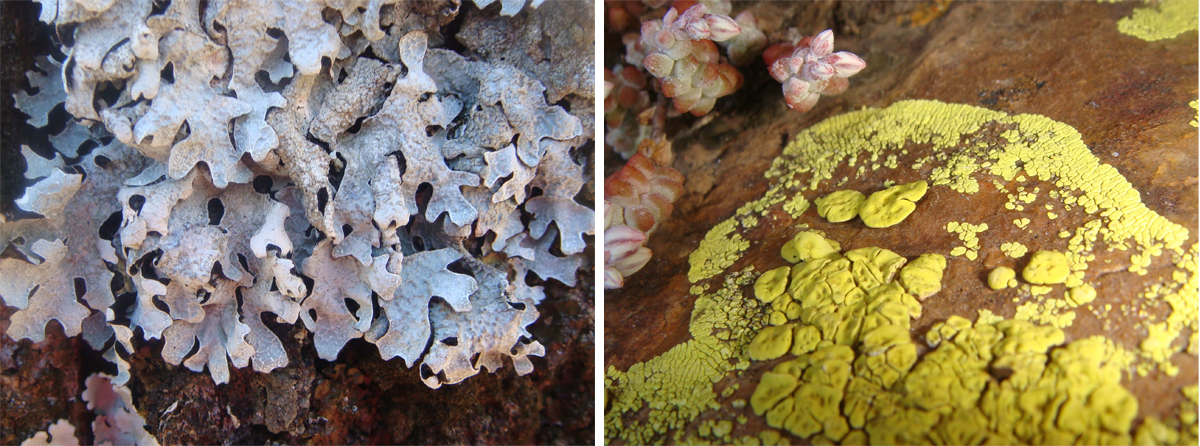
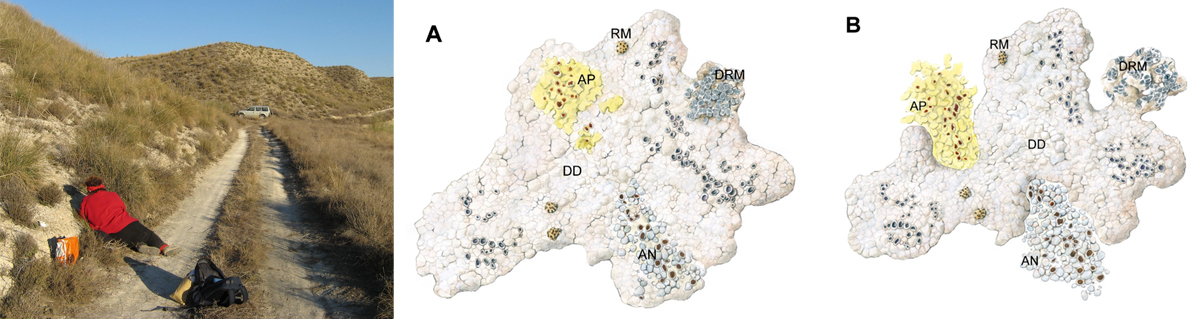
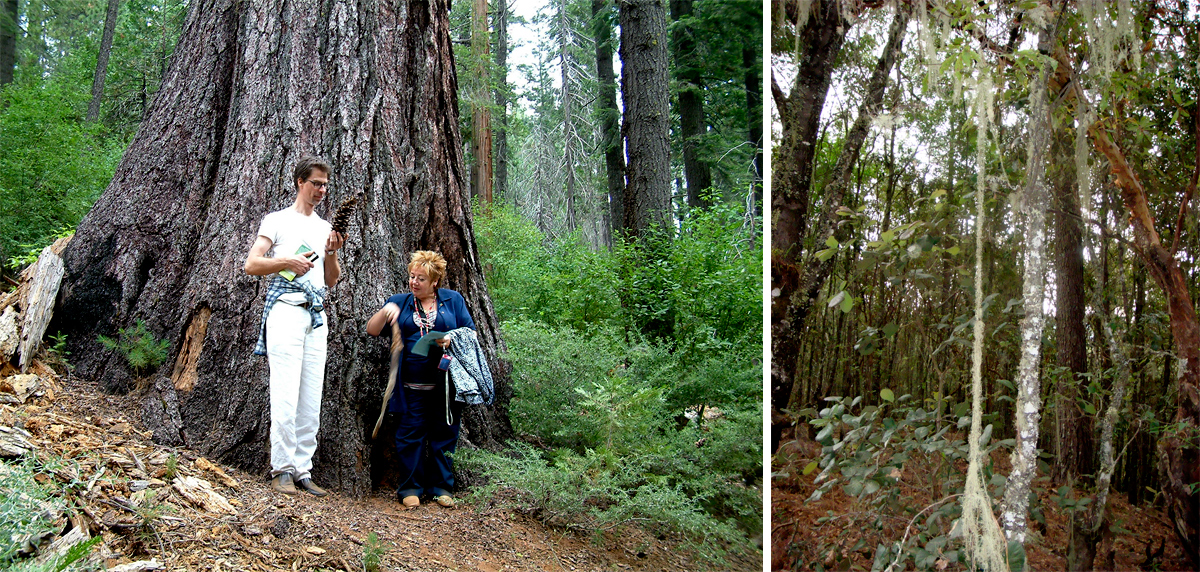
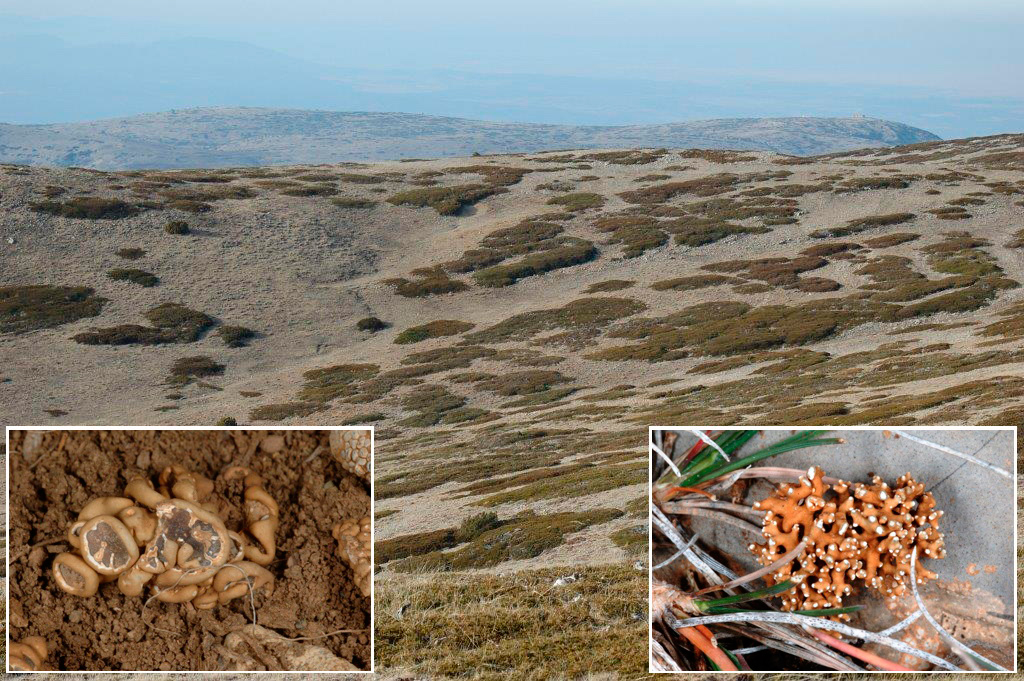
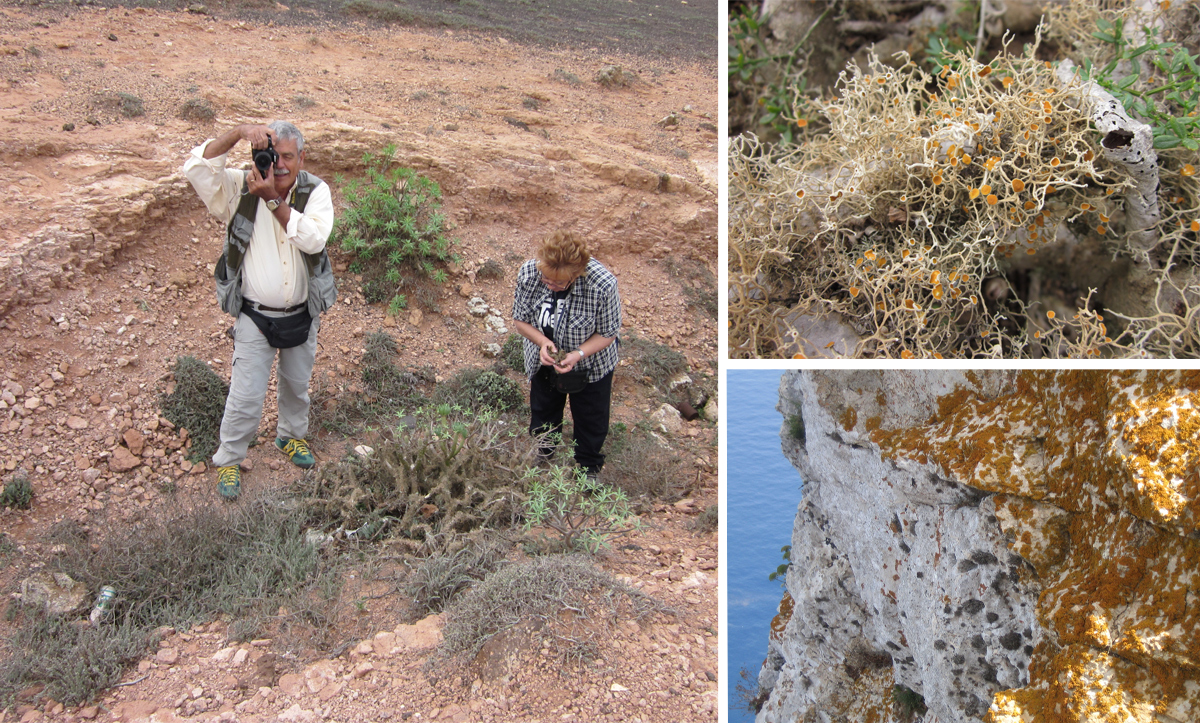
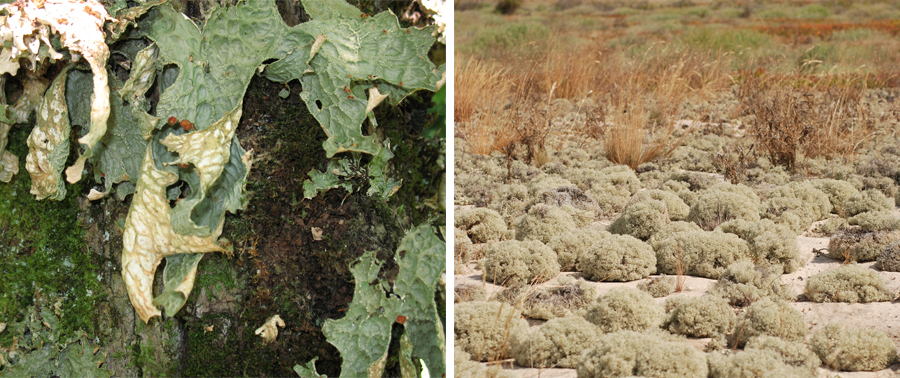
On the right, Acarospora hilaris (Duf.) Hue (with lobes) parasitized by Acarospora epithallina H. Magn. (umbilicate) on iron-rich quartzites (Montes de Toledo), related to many species from the deserts of California and Arizona; it does not exceed the mesomediterranean belt.
You specialise in lichenology, something not well known, in general. Why?
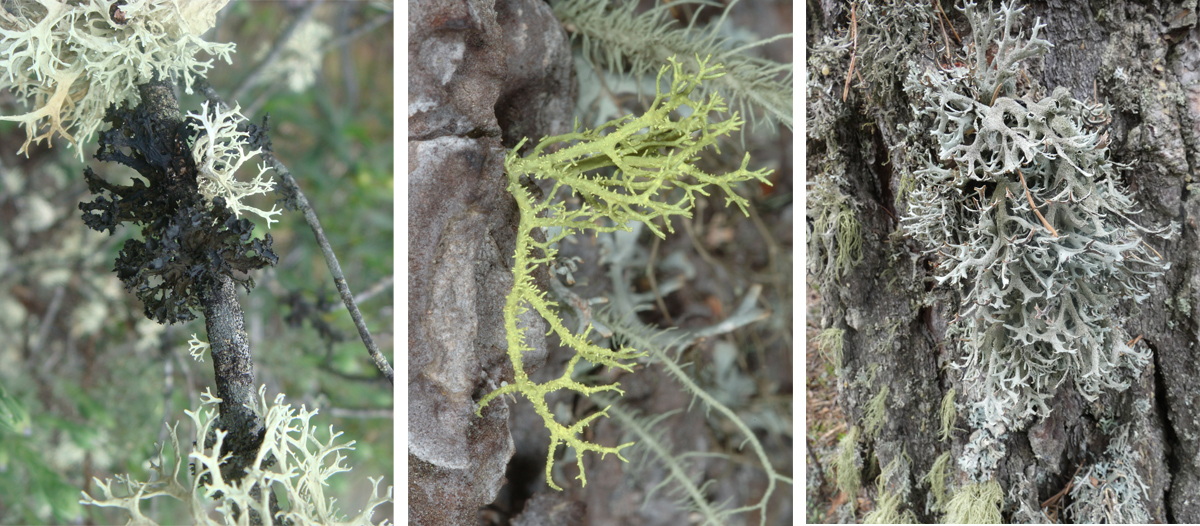
Actually, it also came from my childhood. My grandfather, in Asturias, taught me about them; he knew what lichens were. However, there was a belief that lichens colonised fruit trees, especially plum and apple trees, and that they were bad for the trees. What they didn’t know was that when a tree has fewer leaves, lichens grow and develop more, but because they are heliophiles, not because they kill trees. Much later, on the first field trip Salvador Rivas took us on to Cercedilla, we had to present a herbarium of 450 plants, with only two days of practice! The thing is, the lichens in the pine forests caught my attention, I remembered my grandfather and asked Rivas, who told me: ‘They are lichens’, something very interesting, but I don’t know anything about them. For whatever reason, I picked them and kept them in a box. The following year, as I got honours in the subject, I was eligible to be an assistant, a student who helped with the practical sessions. And there was Ana Crespo, who had just arrived from the Basque Community and was already studying lichens, like a good Canarian. The thing is, I couldn’t get the cuts right in the practical classes, and I had to learn how to do them so that I could then teach others how to do them in class. As I’m very persistent, I kept trying and trying, and finally I managed to cut them and see what they were made of. From then on, I was hooked on lichens forever.
Obviously, your PhD was also about lichens.
Of course. At that time, I was a ‘clerk and nuisance’, a title that served to remind us not to think we were superior to our colleagues in the laboratory. Salvador Rivas, who has always had a very modern view of botanical science and had close ties to Kew Gardens, brought us a poster about the relationship between air pollution and lichens when he returned from one of his trips. In Great Britain, they had it all figured out, with meters and correlations, and he told us, ‘We have to do this here in Madrid, at the Complutense, right now.’ But the only keys to lichens at the time were in German, and no one knew that language. Luckily, Wolf Wildpret, who was German, was able to explain how to break down the words so we could look them up in the dictionary. And later, finally, a book by Ozenda and Clauzade came out in French. With these rudimentary foundations, we took off and realised that we couldn’t assimilate what the British had done, simply because our species were different. Even so, our first work was published in 1977 on the effects of pollution in Madrid (Anales Inst. Bot. Cavanilles 34 (1): 71-94). Back then, there were lichens on Complutense Avenue, but today there are none left! Salvador was always ahead of the curve. He wanted us to continue to research because he knew that if we could interpret the lichens, we would be able to provide him with excellent bioindication guidelines to better interpret vegetation and its cartography. And bioclimatology. It was all very intuitive, but they were wonderful joint discoveries.
That was when I wrote my PhD on terrestrial lichens in the province of Madrid. I completed it very quickly, encouraged by Salvador Rivas-Goday, my teacher’s father, and Conchita Sáez, Salvador’s wife. They heard me speak at a conference and told me I had to start writing right away, even though I had only been experimenting for a year and a half. So I finished my degree in 1973 and submitted my PhD in December 1975. I became friends with janitors, security guards… I hardly slept, I worked very hard, but I got it done and now I think I did a good job taking into account the resources I had available.
How would you summarise your professional career?
I went from field ecology to what I do now, molecular biology and ultrastructures, after physiologically testing the effects of atmospheric pollutants on plants and lichens. Let’s say that everything is very interdisciplinary, because I’ve also worked in physiology and biochemistry. In the end, experimental designs for molecular phylogenies, for the identification of microalgae and other organisms, can produce original results, thanks to my field experience, as I’ve travelled almost the entire northern hemisphere. Many results of molecular studies are published, but the organism is not usually considered as a ‘holobiont’ and its interrelationships with the environment.
It is one of the characteristics of your teams, which are multidisciplinary.
I like to talk about interdisciplinary approaches because we are not disorganised; we have common, inclusive goals. That’s how I’ve always been, and so was my trainer, who tried to learn from others and from other disciplines. He was the one who promoted lichenology in Spain, being an expert in vascular vegetation.
Which projects do you feel especially proud of?
The truth is that we could say that I’ve had several careers, and in each one there are things that I would like to highlight. If we talk about lichens, one of the best experiences is having participated in the flora of the Sonoran Desert, as well as North America, Baja California, and others. It was an impressive wake-up call, although I didn’t publish much about it because, when I returned from my stays, between classes and limited resources, it was difficult. I’ve postponed it until retirement.
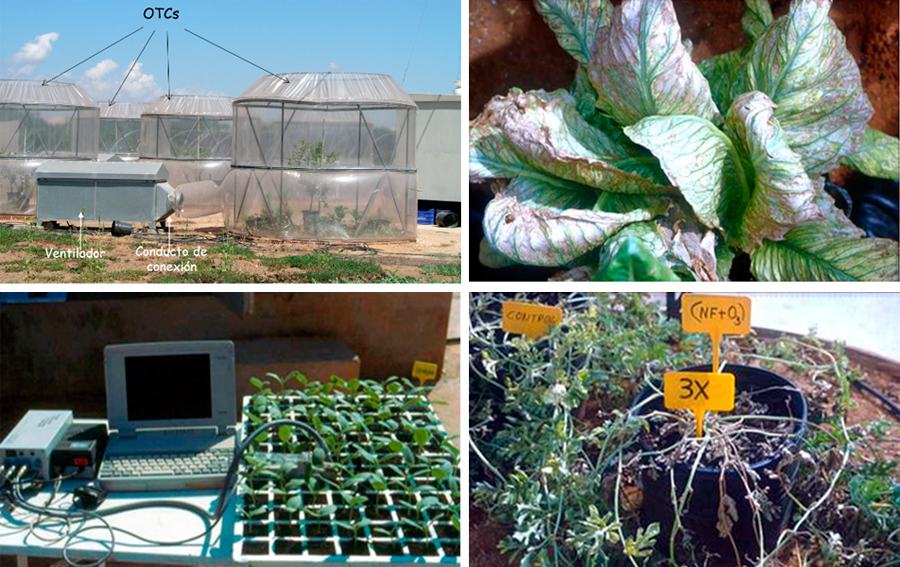
Later, as there was hardly any funding for lichenology projects in Spain, I accepted a project from the Regional Ministry of Agriculture that asked me to do some research on the relationship between pollutants and crops. They were beginning to have serious problems, with many losses during transplants from nurseries to fields, and it was clear that something was wrong. So, I got back in touch with Tom Nash from Arizona State University, who had introduced me to the researchers at Riverside who had discovered the effects of ozone on trees, were working on crops and the effects of nitrogen compounds. I learned a lot from my time with them. So, when the Regional Ministry wanted to implement Open-Top Chambers (open fumigation chambers), I told them we had to bring in those researchers. And that’s what we did. A variety of melon grown in the Puig area was the one that raised the alarm: it was sensitive to ozone and, in addition, infections penetrated through the roots, which were unprotected from mycorrhizal fungi due to the excess of nitrogen compounds from so much fertiliser. Hence the failures. And we managed to detect it. Thanks to that, we had quite a few projects with the Regional Ministry of Agriculture.
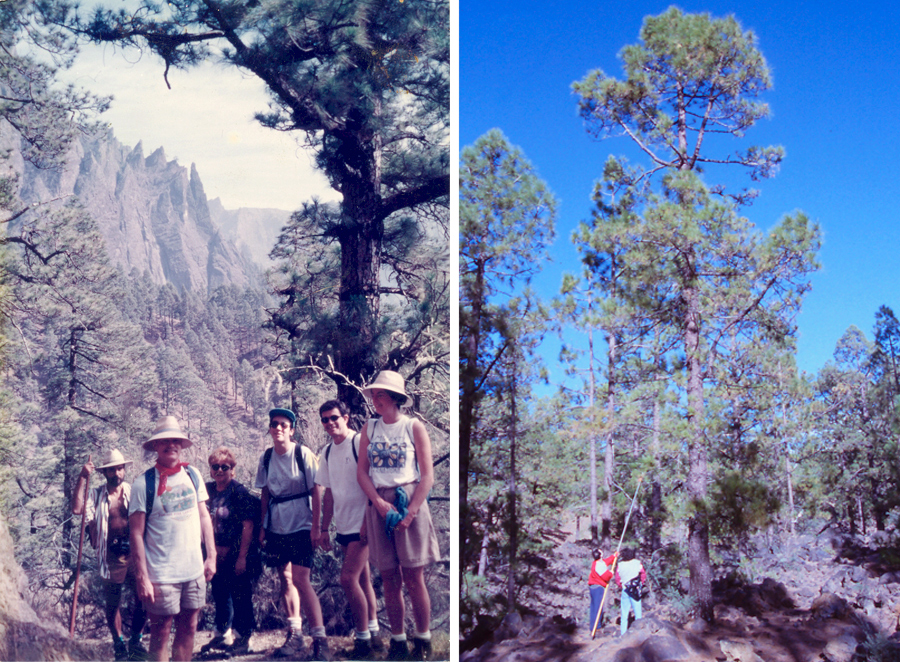
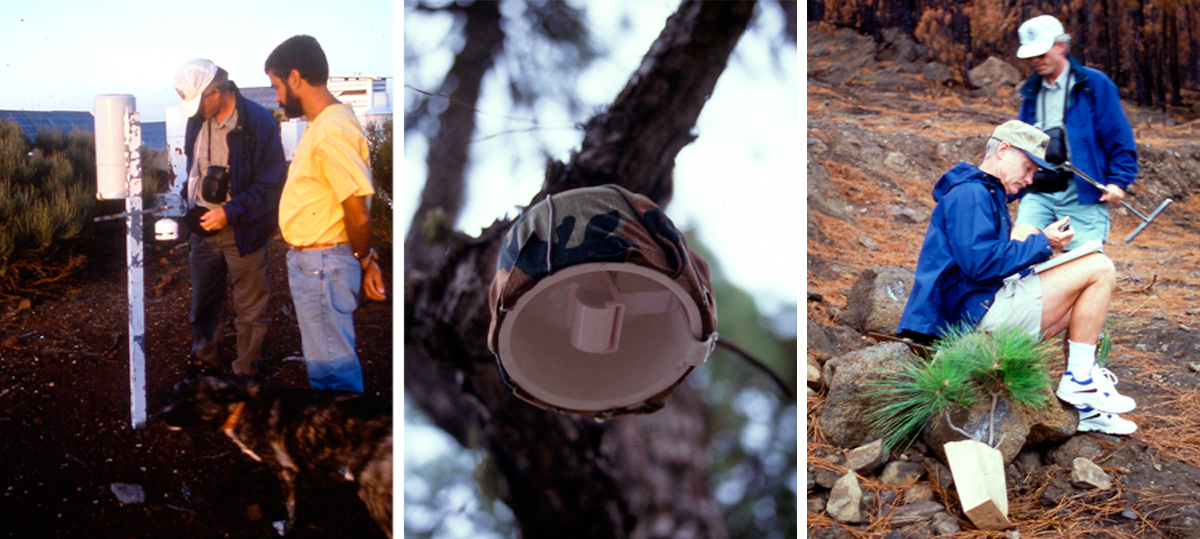
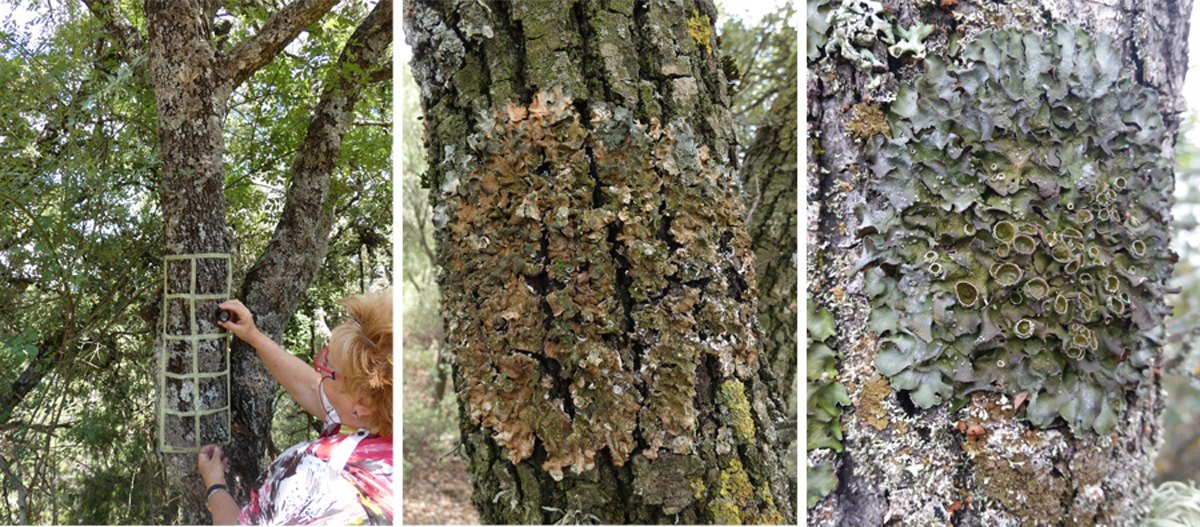
On the other hand, we also had contracts with Endesa and Unelco, related to the effects of pollution on lichens and plants in Els Ports and Maestrat, and to the deterioration of pine forests in the Canary Islands, which had the same symptoms that I had already seen in the United States. I clearly remember Arnoldo Santos, a friend and an excellent botanist, the best in Macaronesia in my opinion, telling me that I was obsessed with this issue. But I was right, the pine forests were damaged. However, the privatisation of Endesa and other professional factors put an end to these projects. From being a company that financed research, it became nothing. From the biomonitoring carried out in Els Ports, we were left with the book, bound and… unpublished; just now, a Master’s thesis will be presented on the monitoring of the evolution of biodiversity and the symptoms of damage 22 years after the last sampling. The truth is that, having found most of the trees we had marked, it is a shame to see the negative evolution of the habitats and how even then the lichens had warned of the risks. In some areas, we have detected serious losses of ecological value.
In short, a bit of everything. The research carried out has been published in high-impact journals. For example, the studies on the physiological effects of photooxidants on Valencian crops are now the most cited in my professional career. But it seems that it’s been decided that no one wants to know more and this type of research is no longer being funded. Together with Ángeles Calatayud, a researcher at IVIA (Valencian Institute of Agrarian Research), we had begun to test important things, to find palliative measures, substances that wouldn’t harm the environment, so that it wouldn’t always be necessary to use greenhouses to prevent impacts… But one day, without warning, the funding was finished and the 9 OTC (Open-Top Chambers) systems and the weather station at the Carcaixent Experimental Station were dismantled.
Tell us about some of your discoveries.
Thanks to my PhD, for example, I found many lichens from Russian Astrakhan and saline soils here, in the Miocene gypsum deposits in the Ebro Valley, in Madrid, Murcia and Almería. This was a major breakthrough, as there was no previous record of this. Later, together with Ana Crespo and Gerhard Follmann, we discovered that there were wandering lichens on the Iberian Peninsula. These are lichens that roll along the ground, which in the Bible are called ‘manna’. And now, in addition, we have found that the algae that form part of these lichens are very special, and we are trying to carry out a joint study with a US team.
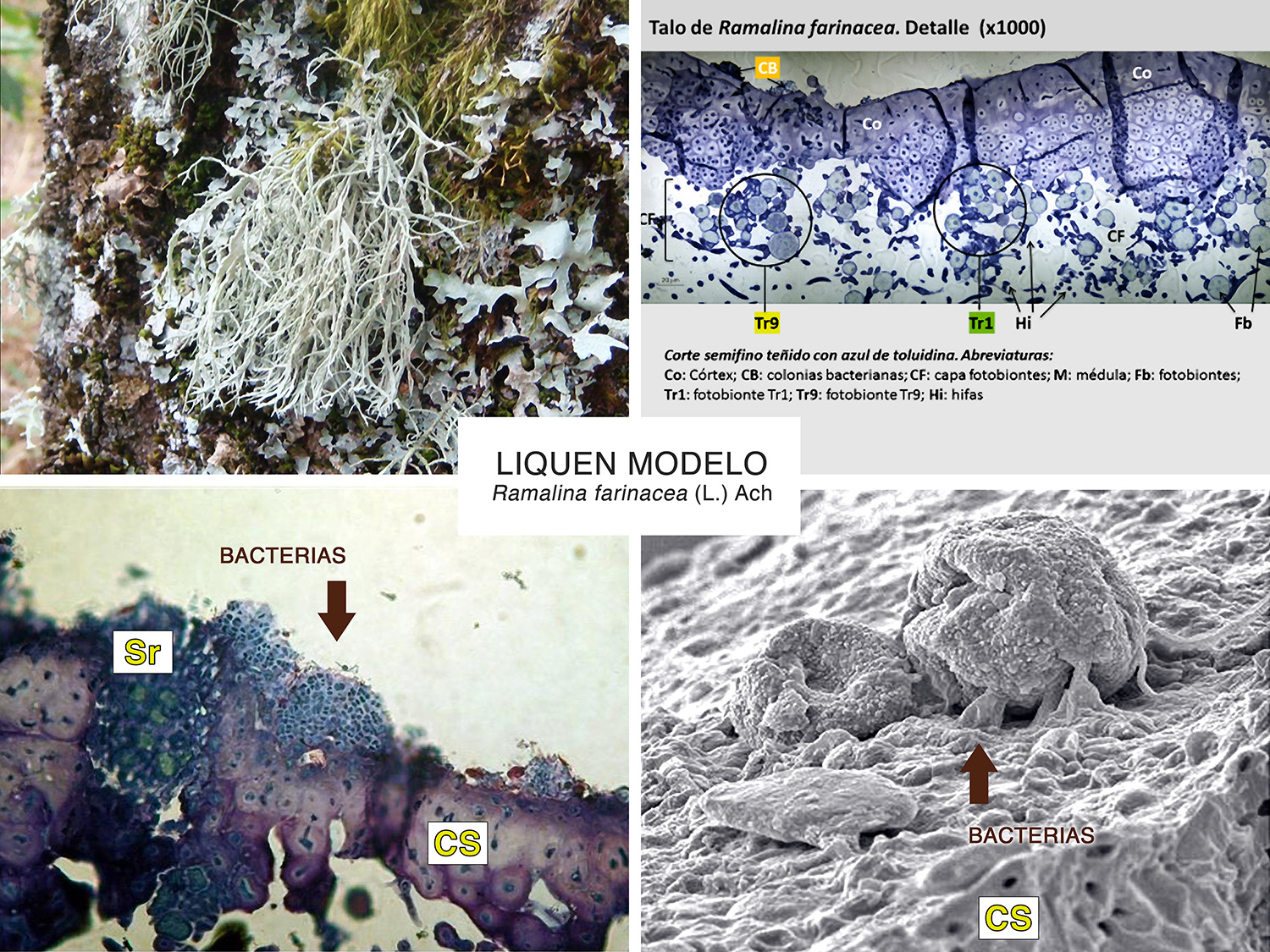
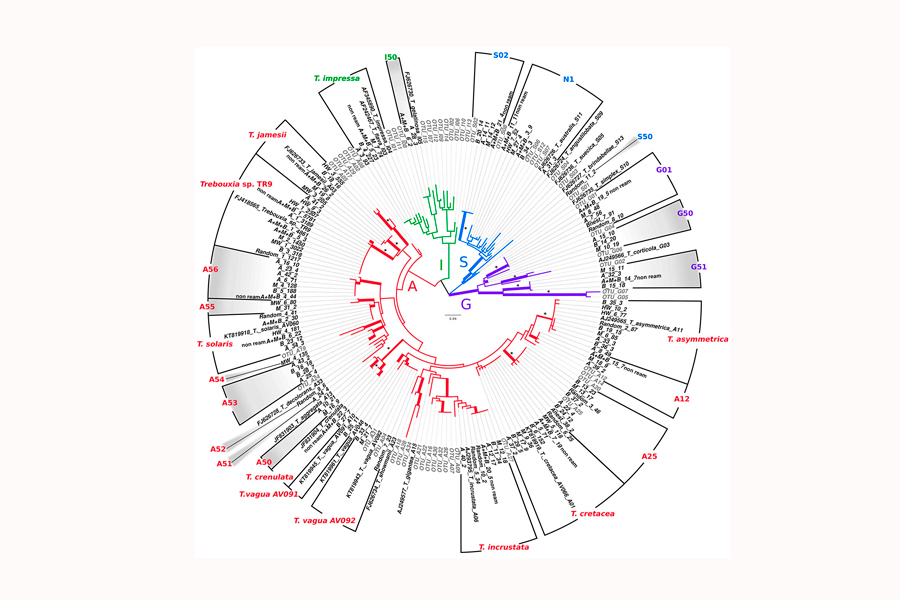
Another important milestone I’m proud of is having discovered that there can be several species of symbiotic microalgae (phycobionts) in the thalli of lichens. This has marked a paradigm shift in lichenology, a turning point in the interpretation of lichen symbiosis. In fact, other well-funded foreign groups have already begun to research on this, but it was us who discovered that there were at least two dominant species of algae in a very common lichen: Ramalina farinacea. It took us years to get it accepted for publication. More recently, in 2017, using massive sequencing, we found that there are at least 32 OTUs, of which 27 algae are different Trebouxia species. We have studied this lichen from California to the Canary Islands and the Iberian Peninsula, where we’ve always obtained the same result. Trebouxia TR9 may predominate in the Canary Islands, and TR1 on the peninsula, but there are always two predominant species and 25 additional ones that are perfectly recognisable from a molecular point of view, as well as other genera. A real mix. And now we are working on the ecological interpretation of this, because there are important questions that we still don’t know how to answer.
Any funny anecdotes to tell us about?
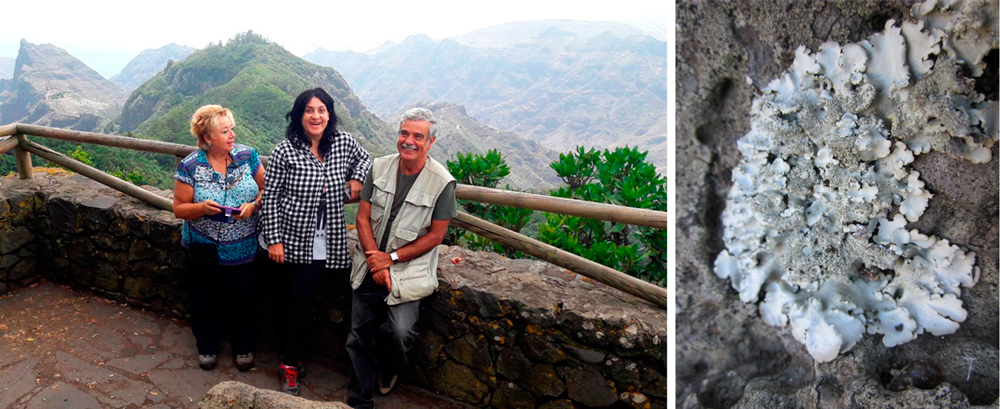
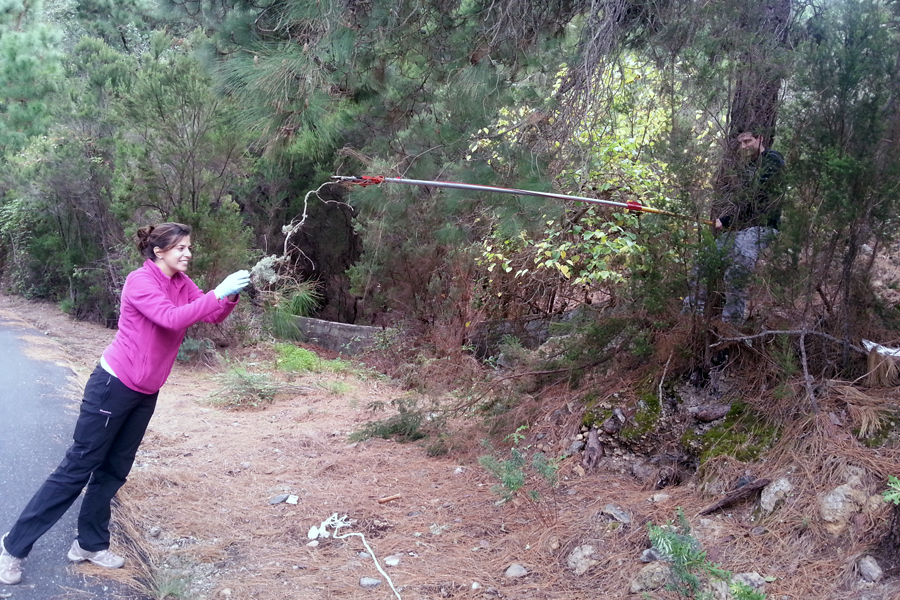
Well, I was working at Arizona State University on a seasonal basis, and Professor Nash asked me to accompany Dr. Bruce Ryan to the Yuma Desert in Arizona, because he had discovered a species of lichen there. I didn’t really want to go, but I agreed because Tom Nash asked me to. Before heading into the desert, I took the opportunity to buy some supplies at the supermarket. I also wore good boots and outdoor clothing, following Professor Rivas-Martínez’s advice. My companion, Bruce, bought just enough for the day and wore shoes from a shopping centre. The fact is that the hours went by, we couldn’t find any lichens, and it was getting late. The ecology didn’t seem optimal, so I asked him for more information. That’s when he told me we had to find narrow gorges where one wall cast a shadow on another. I climbed onto the roof of the vehicle, scanned the horizon and saw the only possible place where we could find them. Ryan wanted to go in the opposite direction, so I gave him an ultimatum. In the end, I was right and there they were. But he was so excited that he didn’t notice where he had left the SUV. When we returned from collecting, the car was stuck. I told him not to accelerate, that we had to put rocks under the wheels. I had some similar experience in Doñana, but I didn’t have time and he managed to get the car stuck even more. So we took the food and started walking towards a caravan campsite. Unfortunately, there was no one around, and according to Bruce, we couldn’t stay there because if they saw us like that, they might shoot us on the spot. American property, a deeply rooted concept. Although I insisted, he told me that it was best for them to see us walking and looking for help, not looking suspicious, as that would put us in danger. So we kept walking, but we couldn’t find anyone. We had to make decisions about which paths to take, and thanks to applying European hypotheses on vegetation analysis, I was able to make the right ones. Verdi’s operas kept me going, while Bruce only talked about lichens and regretted getting me into such a situation and only speaking English. When we saw a 20-mile sign, he broke down. On the other hand, I was happy because I realised we had followed the right path. Seeing him so down, I decided to give him double his food and we lay down on a piece of plastic to try to sleep and rest. We said goodbye. We didn’t know what was going to happen. It was night-time, it was very cold… And the cold woke us up again. When the sun came up, it was me who broke down. He seemed more rested and was feeling better. We climbed a hill and finally spotted what looked like a motorway. I was already dragging myself along. We saw a van, but I realised it wasn’t going to help us. They gave us water and Doritos. It was a man who was in a hurry because he was an amateur, it had rained and he wanted to see the desert flowers. He wasn’t going to waste time with us. That’s how it was. So he told us how to get there, what we had to do to get someone to pick us up, and went on his way. Finally, we came across another van with a couple travelling in it. They took us to the city, everything typical American, the waitresses, the ‘leave your weapons here’ sign… We ate and they took us where we had left our car. These were people who helped those who had suffered some kind of accident or difficulty in the desert. They were paid by the USDA Forest Fire Service and didn’t want our money. When I asked them to at least let me send them a gift from Spain, they wrote down their name and address… His name was Barrien, of Basque origin like my paternal family… We were amazed!
You have already told us about some interesting people you have met along your professional carrer. Someone else you would like to name?
As I mentioned earlier, Salvador Rivas-Martínez is an excellent botanist who, along with Manuel Costa and Jesús Izco from his team, knows the world’s vegetation like no other. In addition, Lynn Margulis was the person who most influenced my change of perspective. I invited her to give the opening lecture at a conference I was organising, and we became friends. We discussed a lot, and she was passionate about lichens because of their representativeness of her hypotheses on cyclic sectosymbiosis. She postulated that microalgae and bacteria would have a lot to do with lichen symbiosis, but she passed away just before these discoveries were made. With her, I organised the Gaia 2000 conference, at the behest of the then rector of the University of Valencia, Pedro Ruiz, which was attended by the world’s most notable researchers in biogeochemistry. In 2001 or 2002, when I was studying the reactions of crops to ozone, she told me: ‘Eva, look, lichens are something else. Forget what you’re doing and devote yourself fully to symbiosis’. He was ahead of everything we are now corroborating. From then on, I began to consider other scientific perspectives.
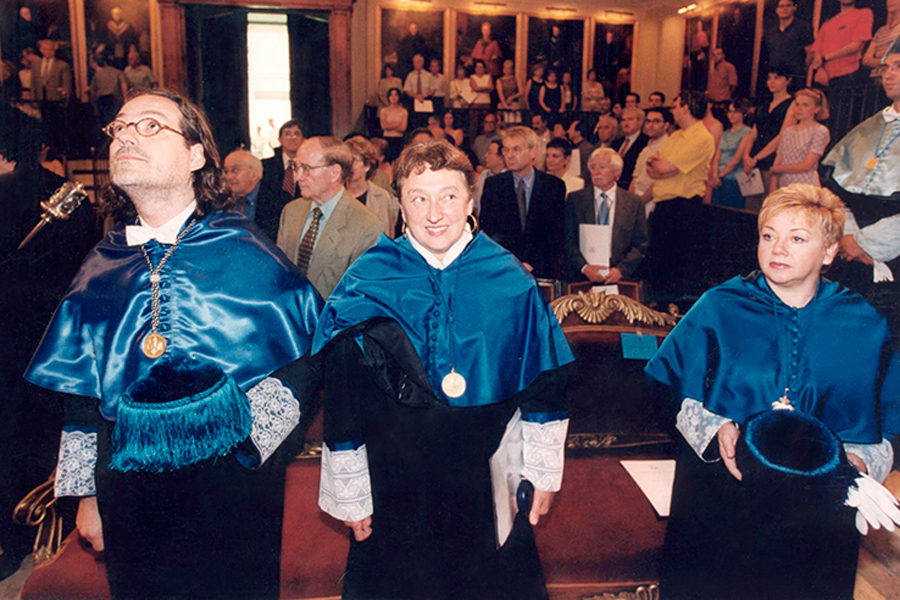
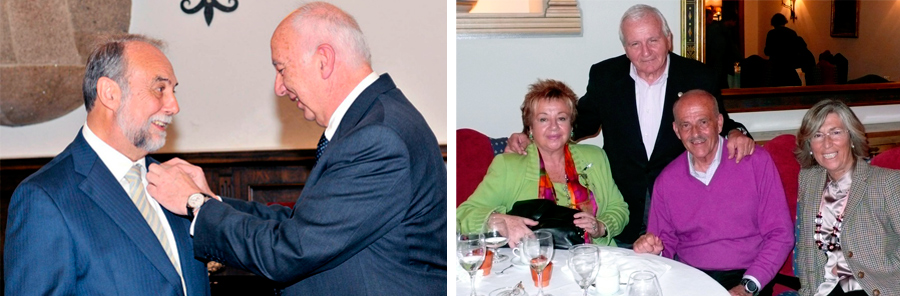
Within the world of lichenology, I was fortunate enough to meet the best, in my opinion: Joseph Poelt, who I learned a lot from. In fact, on my first trip outside Spain, when Franco died and my husband allowed me to leave, my first stop was in the south of France, on an expedition that George Clauzade was also attending. I also learned a very much from Poelt’s disciple, Hannes Hertel. He offered me his home in Munich, where I stayed for almost two months and learned the rigorous methodology of research in lichenology. The truth is that I’ve met many personalities, I’ve been lucky, but I believe these are the most important ones.
How has being a woman affected your professional career?
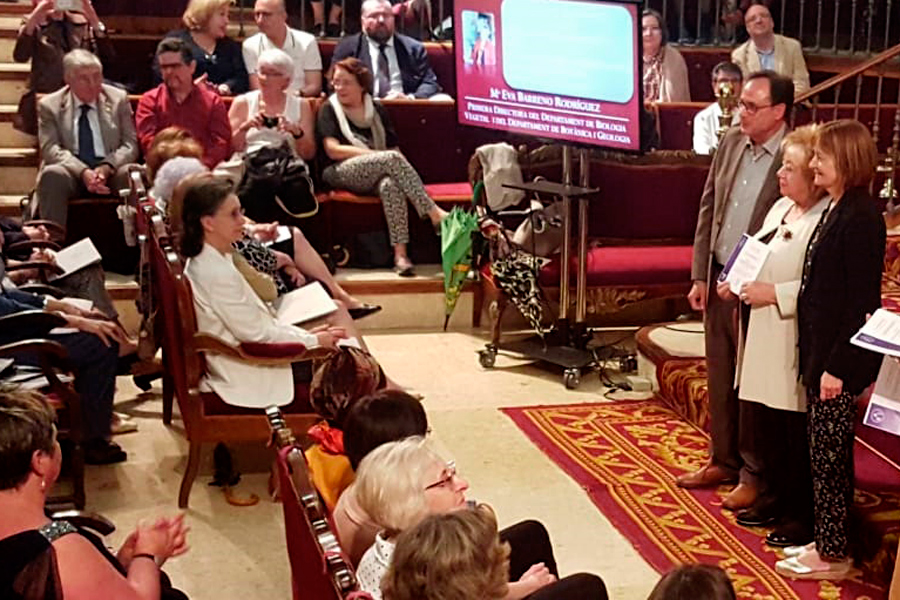
Interestingly, I was lucky enough to experience the end of the dictatorship, and everyone was very progressive. That’s why, in the Rivas-Martínez team, with Manuel Costa, Jesús Izco and Ana Crespo, there was no sexism whatsoever, quite the opposite. But I did experience a big shock when I arrived as a professor at the University of Valencia. I think there are some cultural remnants that encourage people to question the role of women, always indirectly, of course. Not long ago, when the University recognised the pioneering female department heads and I was interviewed as one of them, I said that I’d had a hard time and that I’d resigned because I couldn’t stand certain issues. And because of that interview, I was asked to explain myself. Society is what it is, and if there is sexism now, there was also sexism in the 1980s, and it was even worse.
You are critical of the educational system.
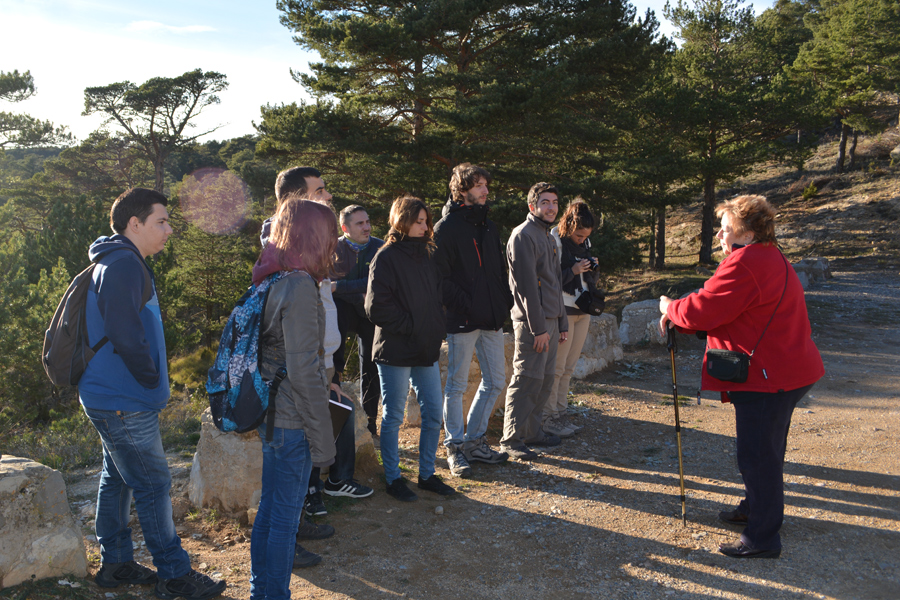
Before, they let me teach, but now they don’t. Now I’m a bit frustrated. For example, before, in Biology, there were specialisations, and in the last two years of the degree, there were homogeneous groups of students, specialisation groups that interacted with each other. In addition, the teachers agreed to coordinate schedules so that we could do stays abroad. I was able to organise botanical campaigns across the Iberian Peninsula and Tenerife. But now the regulations and timetable structures are very inflexible and restrictive. For me, however, it’s essential to be able to go out, see what is being done elsewhere and continuously pass on new things to students.
In addition, you have posted part of your knowledge in some educational publications.
Indeed. I contributed to a book called Botánica published by McGraw Hill. I was responsible for chapter 9: symbiotic fungi. In the second edition, I also contributed to the chapter on taxonomic characters. The book continues to sell well in Latin America. I also have a book on Lichens in the Muniellos Integral Nature Reserve in Asturias (Líquenes en la Reserva Natural Integral de Muniellos), which is available for free on the University’s website. I put a lot of effort into it, and some of its chapters are taught in both secondary schools and universities. It’s the only book in Spanish with this content, especially the glossary with explanatory drawings, and it has an original dichotomous key. But it’s used more in Latin America. There is also another project, an interactive guide to epiphytic macrolichens in Spain (Guía interactiva sobre los macrolíquenes epífitos de España).
Recently, we have developed two websites with the group’s scientific information and documentation on advances in studies on symbiotic microalgae in lichens: symbiolichen.blogs.uv.es and symbioticgreenalgae.com.
Are there students interested in lichenology?
In Biology, with the new curricula, a fantastic subject disappeared: Mycology. It attracted interesting and interested students, which is why I’d like to see it reinstated. I want to defend it. If I’m not in contact and don’t have subjects where I can pass on everything I know, I cannot attract students. In the 1980’s, Americans called on Europeans to develop lichenology there, and people went to Arizona to study it. In just a few decades, everything has turned around and they are now the leaders.
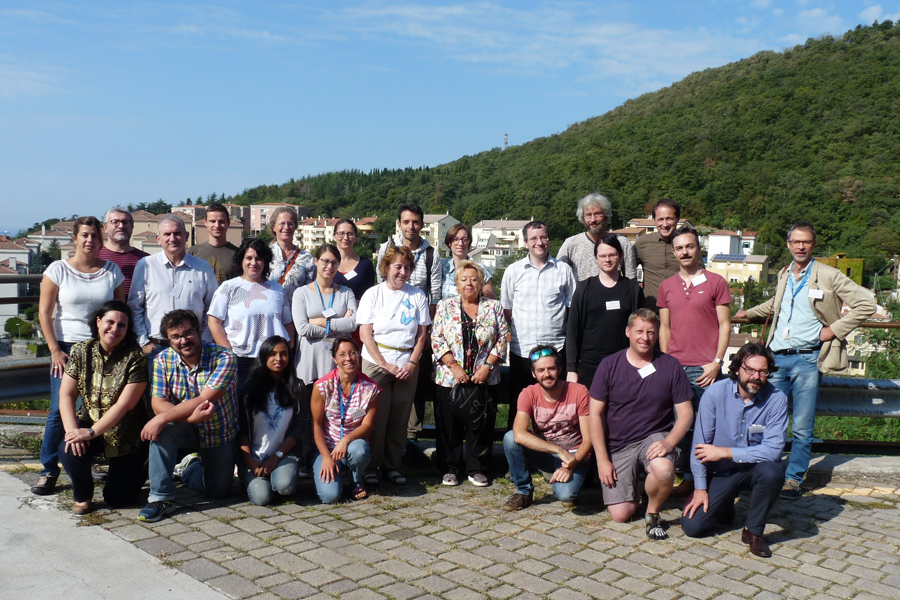
Recently, on 3rd and 4th December 2018, we organised the workshop ‘The Complexity of Lichen Symbiosis: Novel Interdisciplinary approaches from Genomic to Functional perspectives’ at the Burjassot campus, funded by the Valencian Regional Government as part of the PROMETEO Project for Excellence in Research. Some of the most prominent European researchers participated in the workshop, which included a half-day session on the practical application of bioinformatics programmes for the analysis of phylogenies, populations, biogeography, etc., designed for master’s and doctoral students. Only three students from Valencia signed up, while fifteen from Germany, Switzerland and other centres in Spain and Portugal participated.
Lichens are unknown to society. Why?
For me, the problem lies with the media and publication policies. At the University, they are always on the lookout for our findings, press releases are written and sent out, but the media doesn’t publish them. We managed to sequence the genome of the strawberry tree chloroplast and were hugely successful. It was a plant. We sent them the topic of microalgae diversity in lichen thalli and they didn’t even publish it in what we would consider to be serious media outlets. The yeast research, as it came from America, was published, but our very important discovery wasn’t. The natural world doesn’t seem to interest anyone, not even the most progressive. And I say this as someone who worked for the socialist government in 1983 as Head of Service in the Environment Department of the Ministry of Public Works and Urban Planning.
What is your relationship with the Jardí Botànic of the University of Valencia?
I have a very good relationship with them, and when I take my students there, I have my own guide. I think the Jardí Botànic offers many possibilities, and I like to take them there and tell them everything within the context of evolution and interrelation with the environment. And in the Anatomy laboratory, I have teamed up with Pepe Reig and Francisco García-Breijo. I convinced them both to apply what they had learned about plants to lichens, and they work hard on our projects.
How do you assess the situation in this sector?
Well, all the people who work with me, who are top-notch doctors hired on a project basis, I don’t know if they’ll have the chance to continue my work once I retire. Unlike what happened with my teachers, who were able to give us opportunities, I can only offer project-based employment contracts. These are projects related to the complexity of lichen symbiosis, yeasts, bacteria, basic knowledge that can be applied to many things, for example in biotechnology, with high added value. But we’re a service and tourism society…
If you had as much budget as possible, what would you do?
I’d set up the deserved interdisciplinary laboratory so that all the results we are achieving now could grow exponentially. People are trained, they have the knowledge, and more staff could be brought in. My team also includes Lucía Muggia (University of Trieste, Italy), Pavel Ŝkaloud (University of Prague), Cristina Branquinho (University of Lisbon) and Myriam Catalá (URJC in Madrid).
Are you allergic to any plants?
I’m allergic to mould spores!
What future awaits Botany?
Botany is dying, and biodiversity studies in general are too, as it’s difficult to publish work of this kind in high-impact journals, making it hard to compete. Animals, as I say, squeal and bleed, but plants don’t… So botany is mortally wounded, at least in certain universities in this country, including Valencia; with honourable exceptions, on the whole it is doomed. Although we talk a lot about biodiversity, it is not reflected in reality. Students arrive, in theory from good schools, and know nothing. The little they do know is about biochemistry and genetics. And this is regrettable, because we’ve been leaders in botany in Europe. And molecular biodiversity, without understanding the idea of the holistic whole of the organism, is not enough. It doesn’t provide information about what the organism is and how it relates to the environment, and therefore about all the factors involved in the evolution of living beings and their diversification.
Which era of Botany would you have liked to live in?
I believe I’ve lived through the golden age of Spanish and European botany. Now it has already changed. That’s why I think I’ve been very lucky, I’m privileged.