







Biosphere reserves, spaces for the conciliation between humans and nature
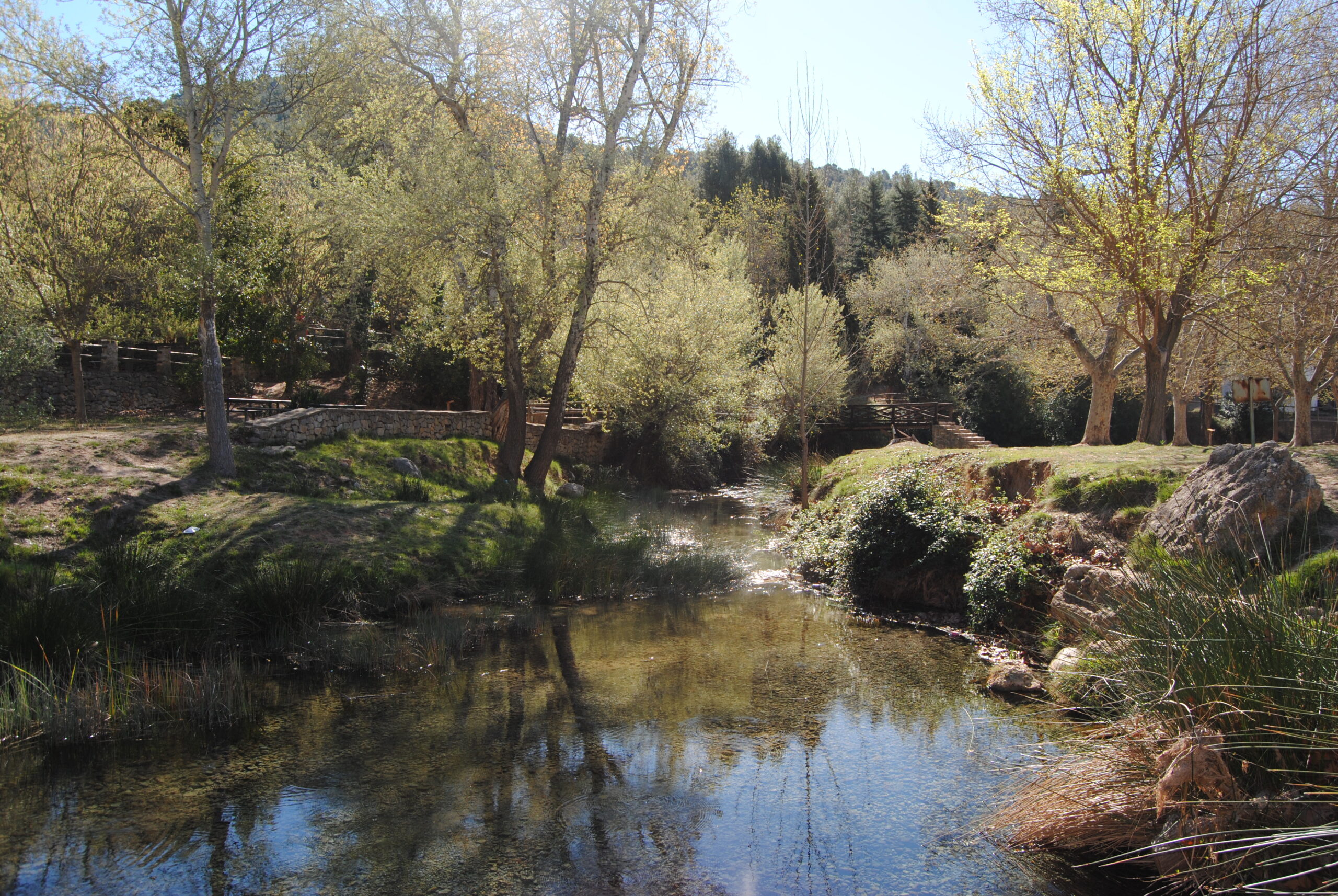
The Botanical Garden of the University of Valencia is starting a new project in one of the two unique Biosphere Reserves of the Valencian Community, the Alto Turia. A space where, like in other reserves, they have to promote local and innovative solutions to conserve biodiversity, preserve ecosystems and face climate change, while promoting economic development. Walk with us along the Turia River among pines, orchids, toads and blackbirds, while we review the characteristics of these special places and discover what is the role of the Botanical Garden in this particular Biosphere Reserve.
Are you imagining that a walk through a Biosphere Reserve is like every other walk? Maybe you are, but behind a space like this there are very important conservation tasks to maintain its natural characteristics as best as possible. And a work like this is what a team from the Botanical Garden of University of Valencia will lead, as a result of the grant received for the project presented to the call of the Department of Environment, Water, Infrastructure and Territory to qualify for grants for the implementation of biodiversity conservation measures in the Biosphere Reserves of the Valencian Community. Grants financed within the Recovery, Transformation and Resilience Plan of the Government of Spain with Next Generation EU funds (Recovery and Resilience Mechanism).
But before going into the subject of the project, we will take a look at its different sections, all of them related to this network of areas of conciliation with nature. In the first section, we will address the main questions of a Biosphere Reserve, which requirements a space meets in order to deserve this figure and how they are distributed around the world. Next, we will focus on the Alto Turia Biosphere Reserve, the main site of our project. And the last section will allow us to connect the first two and present, with excitement, the project of the Botanical Garden towards the Alto Turia Biosphere Reserve.
What are Biosphere Reserves?
Biosphere Reserves form a dynamic and interactive network of spaces of global excellence where a harmonious relationship between humans and nature is established. This network originates from UNESCO’s Man and Biosphere Program (MAB). An intergovernmental program that combines natural and social sciences to improve people’s livelihoods while preserving natural ecosystems. Thus, the mission of each Biosphere Reserve is to promote innovative local solutions to conserve biodiversity, preserve ecosystems and face climate change, while promoting economic development with a respectful approach to culture and nature.
And you may ask: what is the difference between a Biosphere Reserve and any other protected space? Well, although they coincide in some aspects, each figure has its own purpose. On the one hand, protected natural spaces are those areas essentially dedicated to the conservation of nature due to their incalculable natural value, and which are, therefore, subject to a special juridical regime of protection. On the other hand, Biosphere Reserves are defined as learning “laboratories” for sustainable development, through the exchange of experiences with other networks with similar approaches and have a management component based on the combination of traditional knowledge and scientifical research.
What pieces are needed in order to create a Biosphere Reserve?
Biosphere Reserves must fulfill three basic, equivalent and complementary functions: conservation, development and logistic support. The conservation function is focused on landscapes, ecosystems, species and genetic diversity. The development function focuses on achieving a sustainable economic and social future, in addition to supporting cultural diversity. And the logistical support function, tries to transform the territory through the promotion of model projects, the promotion of education, research and monitoring, along with the exchange of experiences and knowledge, both locally and internationally.
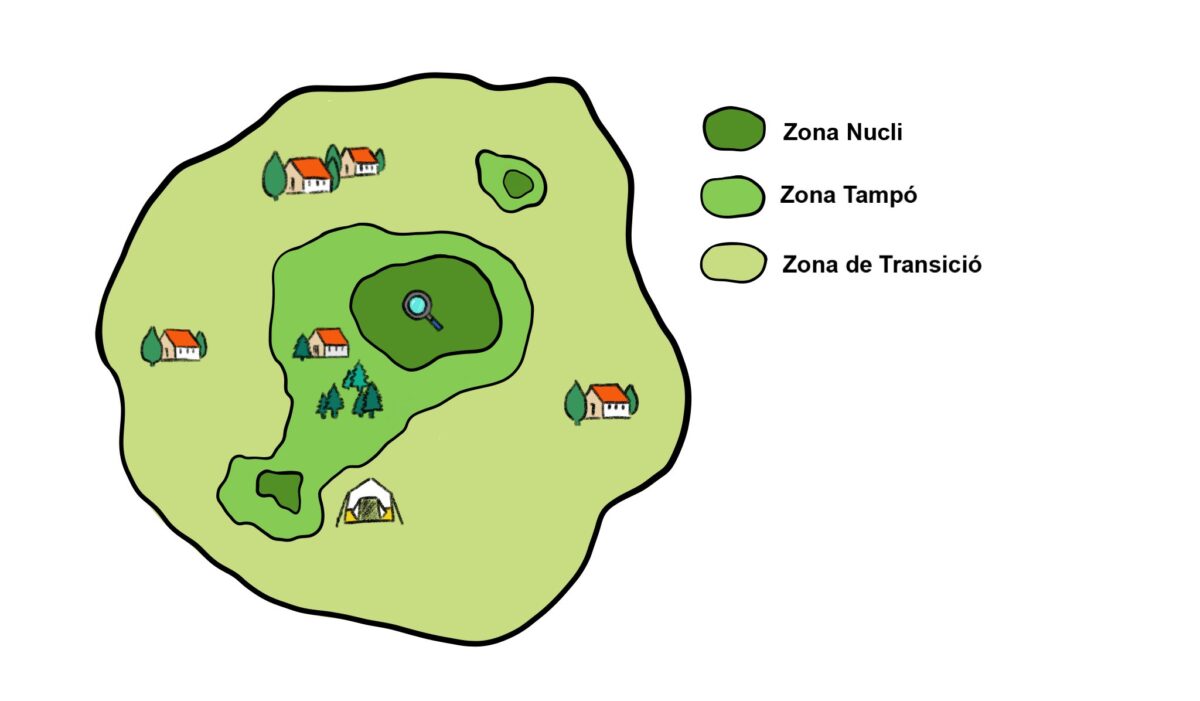
In addition, we can’t forget that Biosphere Reserves are structured and organized territories. In this way, each reserve must have three zones: the core zone, fully dedicated to the protection of biodiversity and where the objective is to provide information on ecosystem processes and functions; the buffer zone, surrounding and contiguous to the core zone, which has the function of buffering the impact of human activities on the last one and its objective is to allow the development of management techniques compatible with the continuity of ecosystems and their biodiversity; and the transition zone, in which we can find human settlements, and where the objective is to help and encourage local communities to use sustainable socio-economic systems.
In this sense, before initiating the process of preparing a candidature for a new Biosphere Reserve, we must to take into account several items related to the specificities of the MAB Program. For example, it’s necessary to have a local vision and neighborhood support, or in other words, local communities must be an active part of the reserve throughout the proposal process: from deciding to create it and which purposes they want to achieve, to thinking about how to integrate it into their daily lives, how they will benefit from being a part of this network or how they will ultimately contribute to the objectives of the MAB Program and UNESCO.
In terms of location, a Biosphere Reserve must be representative of its biogeographic region and meaningful for biodiversity, two fundamental factors for UNESCO to determine its designation. In this way, the world network of Biosphere Reserves ensures the integration of every biogeographical regions of the world and guarantees that these areas have environmental relevance due to the biodiversity they host. Another important item is the governance structure, which has to be based on integrity and equity among the different interested parties (governmental authorities, non-governmental organizations, companies, universities, etc.), as well as guaranteeing the participation of all parties in the decision-making processes.
But no less important is funding, which is indispensable for the effective implementation of sustainable development in Biosphere Reserves. The most advisable would be to identify support before the nomination process, to have it come from different sources and to guarantee an effective long-term basic budget. In addition, complementary support can also come from interested parties, tourism fees, marketing, local and international partners, government support or international sources.
We can’t ignore the needs of the different interested parties, which is why the management has to take into account the three basic functions of a Biosphere Reserve – conservation, development and logistic support – which have to be balanced, since favoring one function to the detriment of the others usually results in reduced performance and an uneven impact of the Reserve’s activities.
Finally, there are no global indications regarding the dimension of a Biosphere Reserve, as long as the three functions mentioned above can be fulfilled. This flexibility regarding the area of occupation opens the possibility of applying for candidature anywhere in the world, considering different environmental, political and geographic conditions. All of these considerations together will help us determine if it is appropriate to start the candidature process for the nomination of a new reserve.
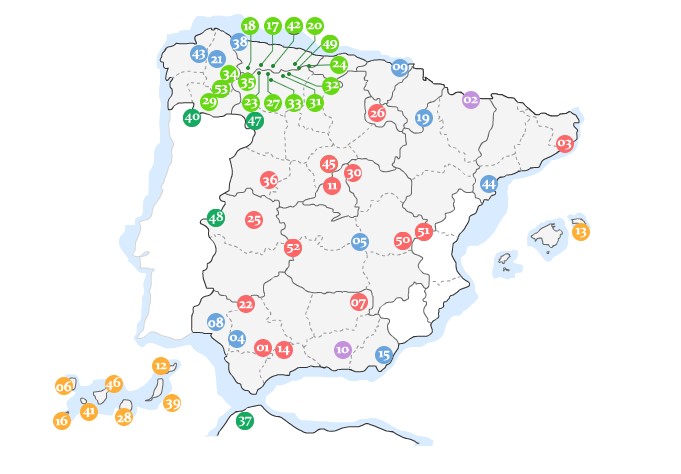
If we pay attention to the global distribution of Biosphere Reserves, there have been designated since the establishment of the MAB Program, in the early 1970s, a total of 748 Biosphere Reserves in 134 countries, 23 of which belong to transboundary territories. In Spain, Biosphere Reserves are represented by the Spanish Network of Biosphere Reserves (RERB), with the Autonomous National Parks Organization (OAPN) assuming the fulfillment of its functions. The number of Biosphere Reserves reached 53 by 2021, which are distributed throughout 16 of the 17 autonomous communities (four of them are transboundary, three with Portugal and one intercontinental with Morocco).
Alto Turia Biosphere Reserve
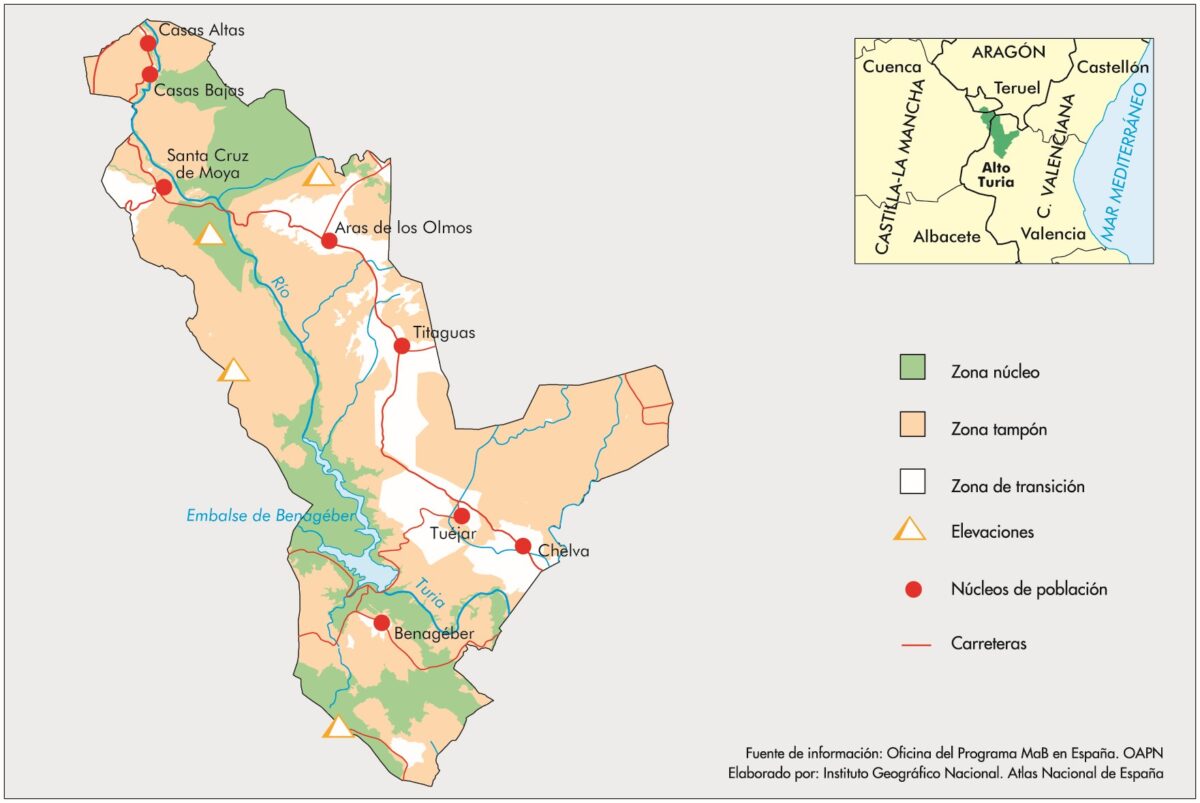
Currently, two Biosphere Reserves have been designated in the Valencian Community: the
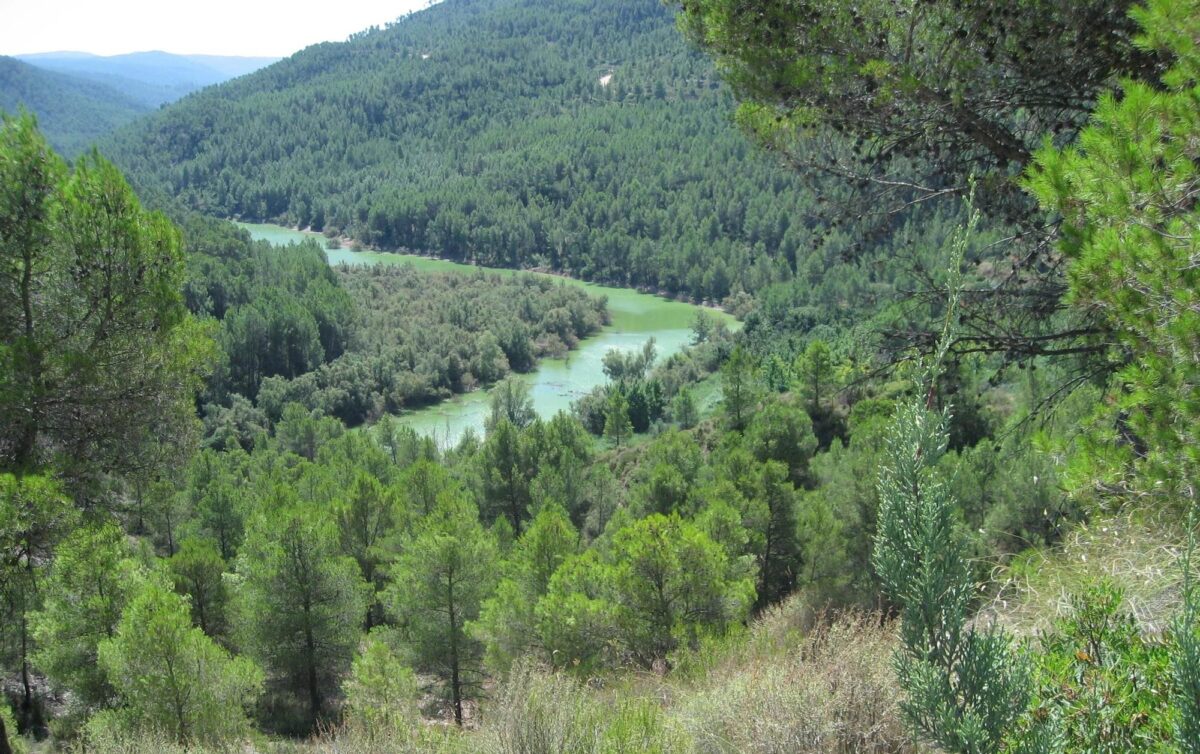
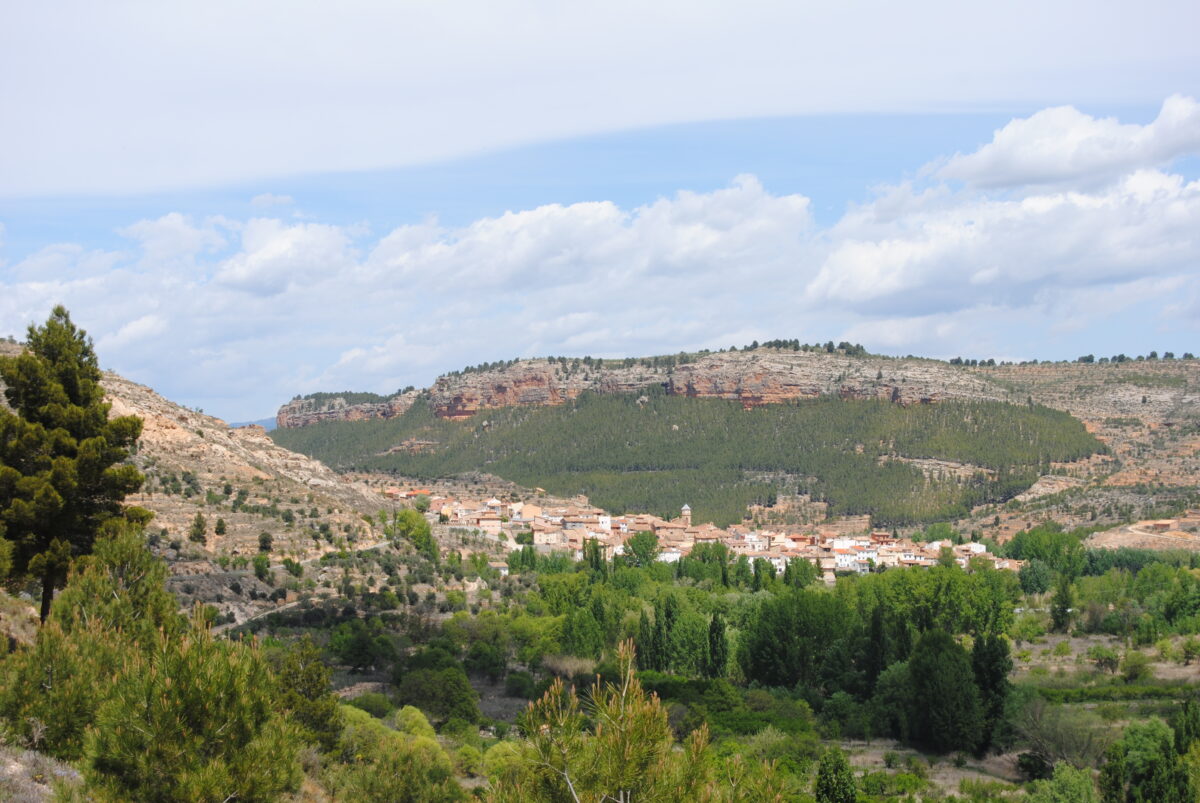
Alto Turia and the Vall del Cabriol. Our project will be in charge of the first one, also known as RBAT. Located in the Mediterranean biogeographic region, specifically between the provinces of València and Cuenca, it extends through the regions of Serranos and Rincón de Ademuz. It is formed by the municipal terms of 8 municipalities, all of them united by the first stretch of the Turia river: Casas Altas and Casas Bajas , to Rincón de Ademuz; Santa Cruz de Moya, to the Serranía de Cuenca ; Aras de los Olmos, Titaguas, Benagéber, Tuéjar and Chelva, in the Serranos; in order according to the descending course of the Turia. Regarding its dimensions, it covers 67.079 hectares of territory and a total population of 4.200 permanent inhabitants (6,2 inhabitants per km2), where some of the constituent municipalities don’t exceed 500 inhabitants.
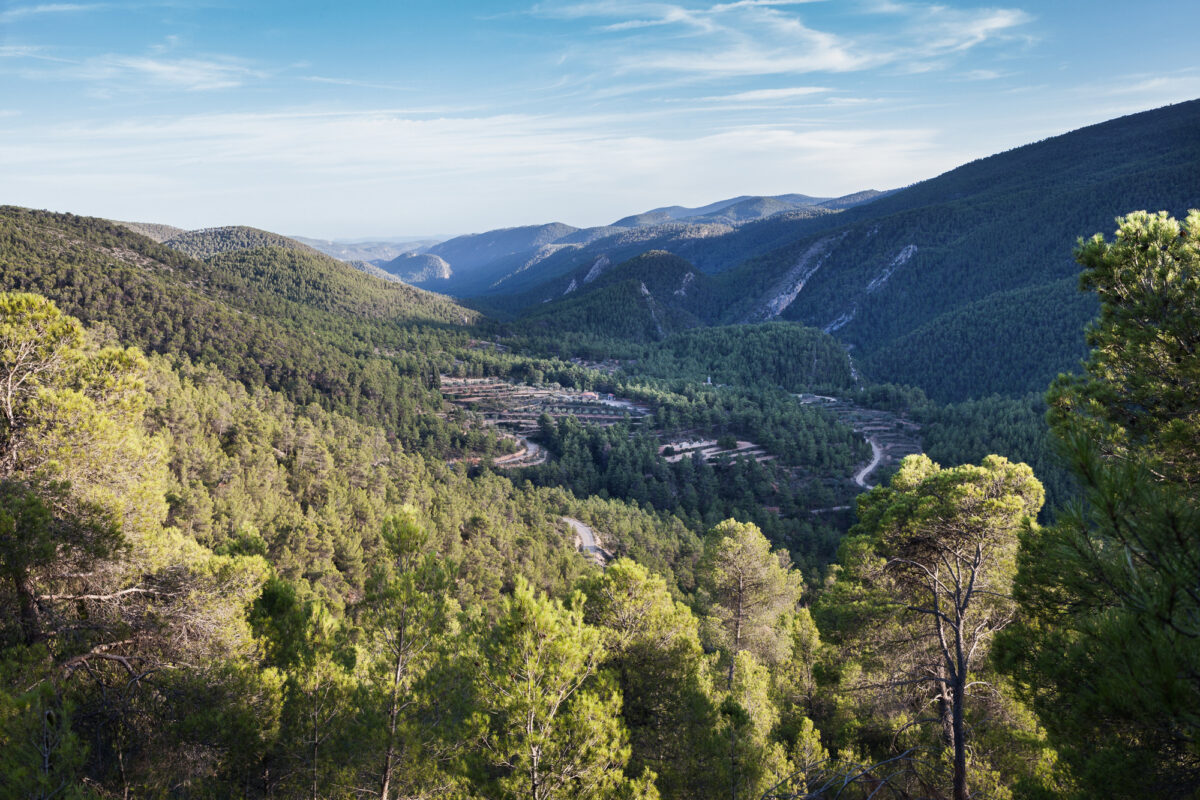
The RBAT area has a marked Mediterranean character, with warm and dry summers. The landscapes are diverse, including mountains, varied rock formations, fluvial environments or lagoons. Among some of the most abundant arboreal or shrubby plant species we find pines (Pinus halepensis, P.nigra, P. pinaster, P. sylvestris), oaks (Quercus ilex subsp. rotundifolia, Q. coccifera, Q. faginea, Q. pyrenaica), junipers (Juniperus phoenica, J. thurifera, J. sabina) or (Juniperus communis, J. oxycedrus), among many other vascular plants. As for the plant diversity in the Reserve, the most important plants are those included in the list of the Valencian Catalogue of Threatened Flora Species; due to their singularity, rarity and degree of threat. Of this list, 35 vascular plants are present in the RBAT.
Among them we can find orchids (Himantoglossum hircinum, Ophrys castellana, etc.), rupicolous plants (Saxifraga longifolia), bulbous plants (Narcissus bulbocodium, Crocus nevadensis, etc.), aquatic plants (Anagallis tenella), plants adapted to different edaphic conditions such as red stoneware substrate (Erica cinerea, Asplenium foreziense, etc.) or chalk (Campanula fastigiate, Gypsophila bermejoi, etc.) and other singular plants with different types of ecology (Aster willkommii, Malva aegyptia, Silene otites). We need to highlight that some of these protected plants represent the unique population of the species in the Valencian territory, as is the case of the red heather (Erica cinerea) and the bulbocodi daffodil (Narcissus bulbocodium). And if we focus on animal species, in the RBAT area we can find, among many others, symbolic macrofauna organisms such as steppe birds, Iberian hares (Lepus granatensis), European rabbits (Oryctolagus cuniculus), water blackbirds (Cinclus cinclus) and commadron toads (Alytes obstetricans), as well as two endemic species of freshwater fish: the red-tailed barbel (Barbus haasi) and the catfish madrillas (Squalius valentinus).
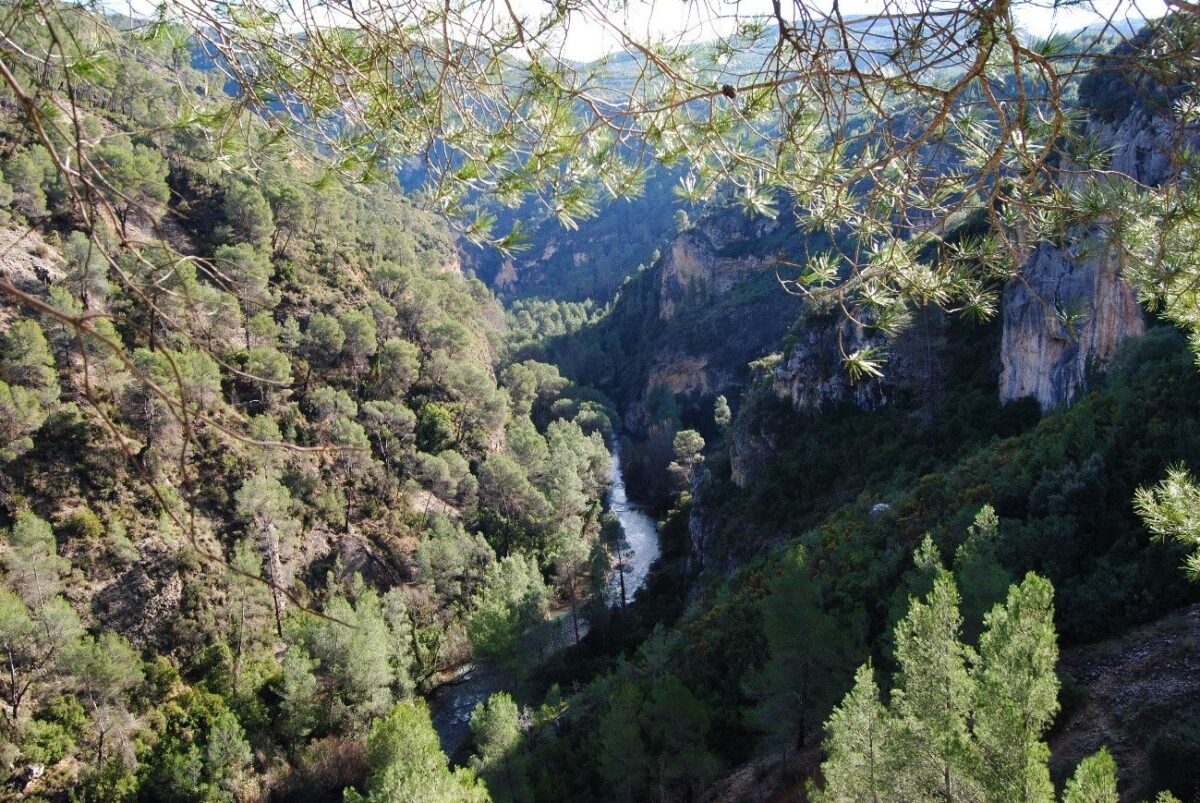
In the natural space you can practice several sports such as hiking, cycling, horseback riding, climbing, caving, rafting, sport fishing, aquatic activities and astronomical observation activities. Furthermore, high quality artisanal products such as honey, wine, oil and sausages are produced in this area. The RBAT is also home to rock art paintings that are part of the Mediterranean arc declared a World Heritage Site by UNESCO. Another cultural highlights are the Roman aqueduct of Peña Cortada and the Neolithic site of the Tío Escribano shelter. In any case, the route trough the towns allows us to enter into hidden moments of history and travel to the time of the Romans, Arabs and Jews.
The role of the Botanical Garden in the project
The project led by the Garden is named “Inventory of the flora of the Alto Turia Biosphere Reserve as a scientific, informative and management resource”. The motive for a project like this lies in the fact that a floristic inventory is the first and essential requirement to address any work of conservation and restoration of native flora. Therefore, the Valencian territory in general, and the RBAT area in particular, are highly humanized, even though they maintain very conserved spaces. If we also consider the new scenarios suggested by climate change, it is essential to know the plants and their distribution in order to monitor the different species, specially those most sensitive to environmental changes and most threatened with extinction.
For all these reasons, in this project we will make a critical revision and update the floral catalogue of the RBAT, with the purpose of presenting a tool to help with conservation, management and spreading of its natural values. The first action to achieve this objective is the revision of information from databases, scientific publications, books and historical works. Simultaneously, we will review the botanical recollections carried out in the RBAT, the plant material of which is deposited in the main Spanish herbarium. The second action will be the exploration of the territory, prioritizing the study of those squares of 1 km of side with few floral citations, that means, with less than 50 species. All this work will allow us to detect areas of special importance for the flora and generate a detailed mapping of protected species. Moreover, we will be able to determine the populations that require censures and monitoring, locate the pathways of entry of allochthonous flora with invasive potential and suggest measures to contain their advance, in addition to suggesting whether it is necessary to modify any of the boundaries of the different areas of the Reserve.
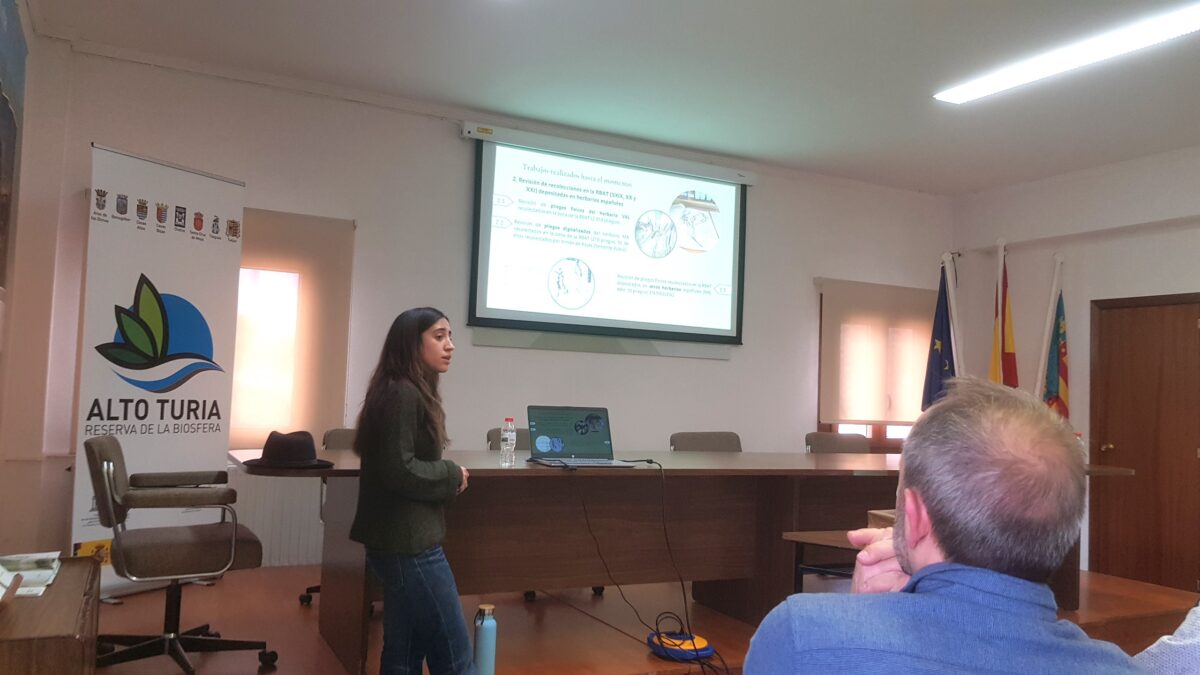
Although we won’t only focus on conservation issues, since the project also contemplates training in biodiversity. This will be carried out through activities aimed for both the Reserve’s staff and municipalities, as well as the general public; in order to involve more people in the governance of the RBAT. Finally, one of the key products of the project will consist of offering informative proposals: from the suggestion of itineraries of botanical interest or future plant and pollinator censuses, with citizen participation, to the elaboration of informative material in the form of publications, information panels and a floral guide of the RBAT.
With all this, we still have a lot of work to do: from tasks with which we are more familiar, to others that are newer to our team. But, what is certain, is that this project will not only involve a necessary, as well as profitable and interesting work, but also an enriching experience, both professionally and personally for those who live in the Alto Turia Biosphere Reserve and those who work in the Botanical Garden of the University of València.

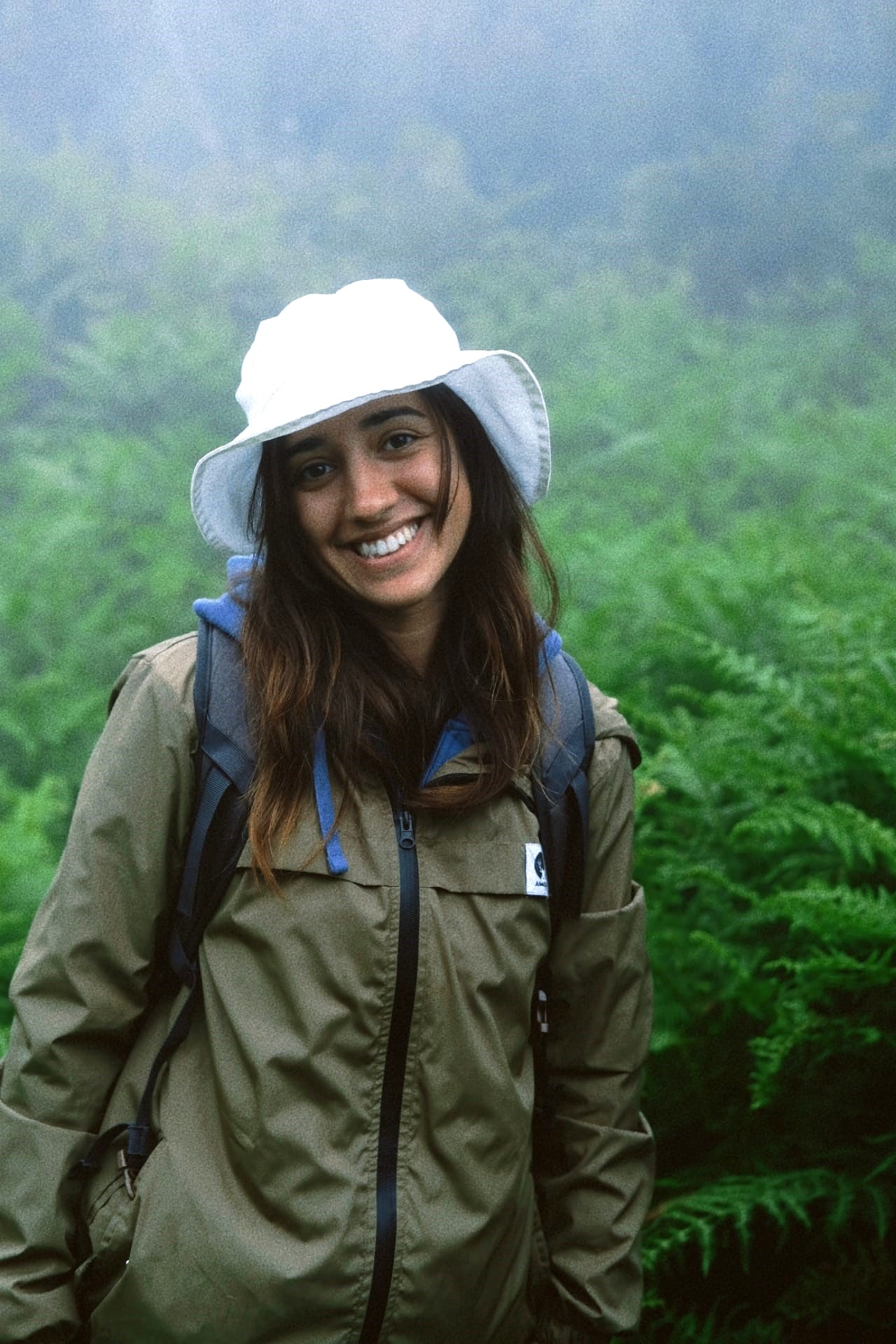
 Botanical team