









Oleates: natural cosmetics within everyone’s reach

Have you ever thought about integrating botany into your personal care routine? If so and you have always wanted to make your own cosmetic products but do not know where to start, this article is for you! Olga Ibáñez, director of Gingko Educación, guides us step by step through the interesting world of oleates: what they are, how to make them and which plants to choose according to their properties. An easy and natural way to incorporate botany into your beauty and wellbeing routine. Get your glass jar and your favourite oil, because after reading this article, you will surely want to get to work!
Oleates are one of the simplest and most versatile ways to harness the properties of medicinal plants in natural cosmetics. Through maceration in vegetable oils, we can extract active principles that benefit the skin and wellbeing. Making an oleate at home is a simple, economical and rewarding practice that not only allows you to personalise your personal care products, but also fosters a closer connection with nature and its benefits. In this article, we explain what oleates are, how to make them at home and which combinations to choose according to their properties. Go ahead and prepare yours and discover the power of plants!
Medicinal plants and vegetable drugs, concepts to know
Natural products are gaining popularity for their health and wellbeing benefits. We have many accessible and easy-to-use medicinal plants. But what exactly is a medicinal plant? According to the World Health Organisation (WHO), it is one that contains substances with therapeutic purposes or that serve as a basis for chemical-pharmaceutical semi-synthesis. Whilst the concept of vegetable drug refers to the part of the plant used for therapeutic purposes. It can include leaves, flowers, roots or bark, previously collected and dried to preserve their properties. For example, in the bitter orange (Citrus × aurantium), both the fruit peel and the flowers (orange blossom) can be used, each with different functions. On the other hand, active principles are the compounds responsible for the pharmacological action of these vegetable drugs. Some are soluble in water, like those used in infusions, and others in oils or alcohols, like oleates and tinctures, respectively.
What is an oleate?
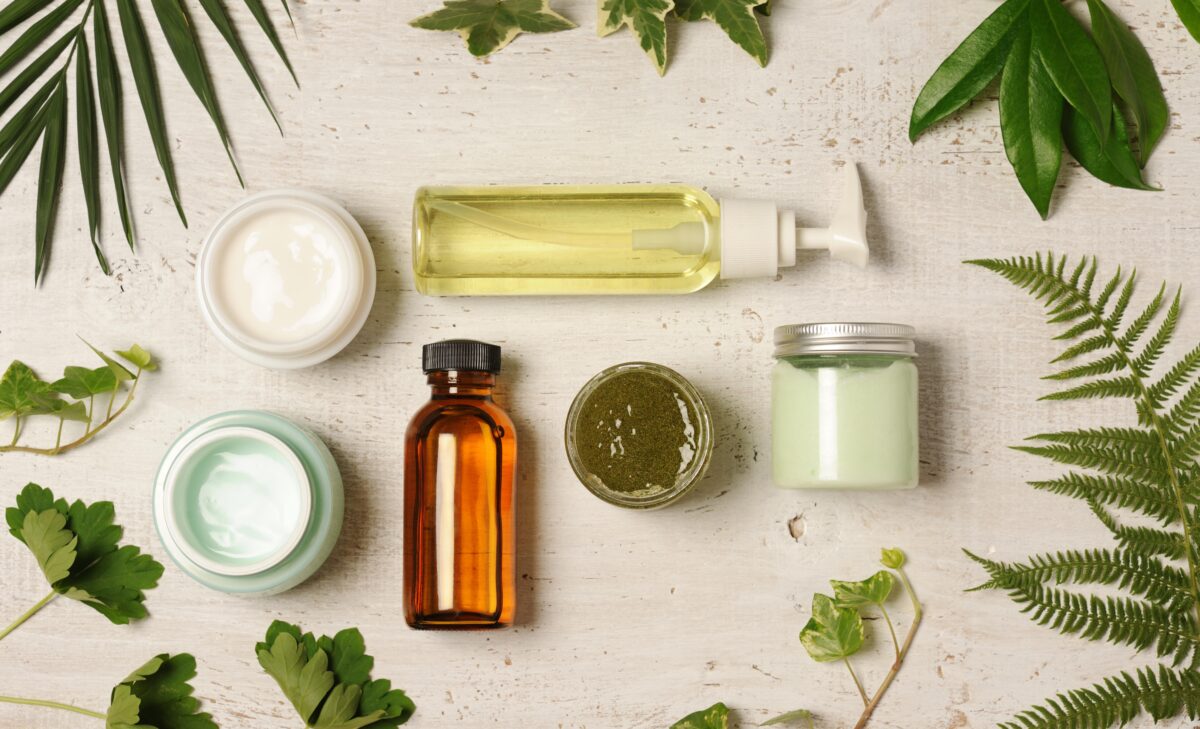
An oleate is a macerate of plants in a base vegetable oil, also called a carrier oil. During maceration, the oil-soluble active principles are transferred, creating a preparation with beneficial properties for the skin and the body. It can be used alone or as an ingredient in creams, ointments or soaps.
Choosing the base oil
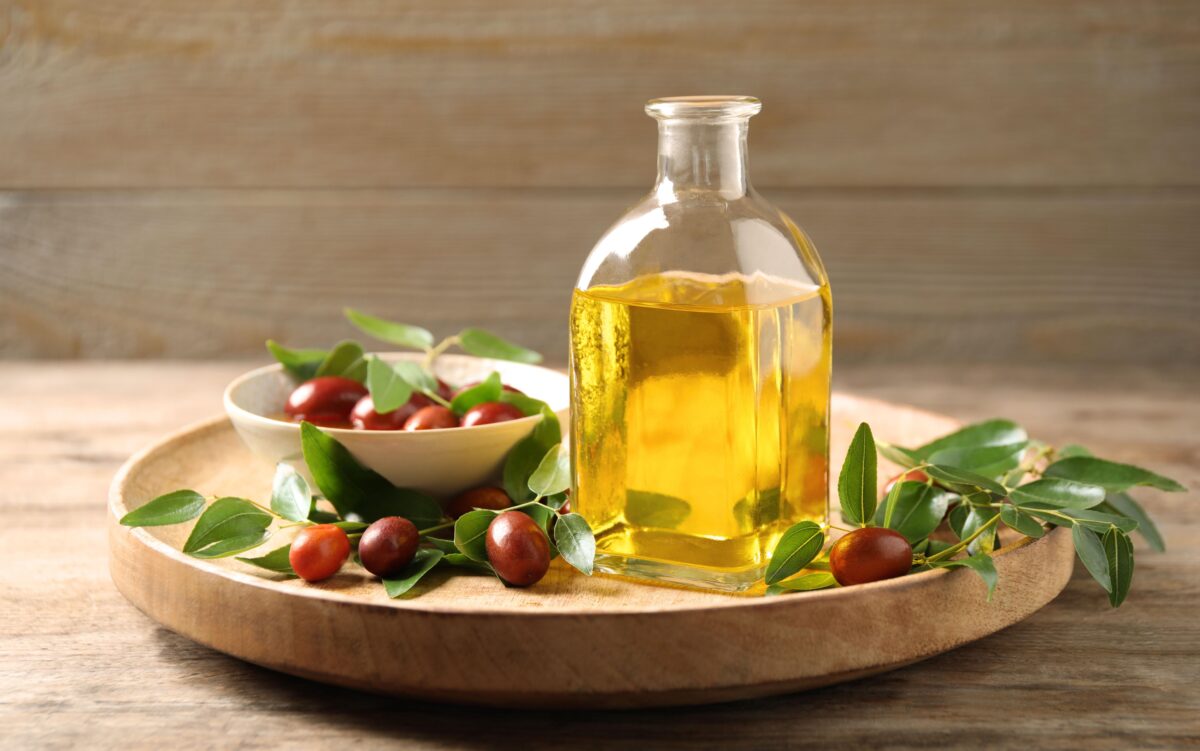
Vegetable oils are obtained from oleaginous seeds through cold pressing to preserve their properties, and among the most commonly used are olive oil, rich in antioxidants and ideal for dry and mature skin; sweet almond oil, moisturising and soothing, perfect for sensitive skin; coconut oil, light and quickly absorbed with antifungal and antibacterial properties; jojoba oil, whose composition is similar to the skin’s natural fats and helps balance combination and oily skin; sunflower oil, rich in linoleic acid and suitable for skin with acne or eczema; avocado oil, highly nourishing and regenerating, ideal for very dry skin; and sesame oil, gentle and moisturising with slight sun protection.
Active principles of the most common plants
Nature offers us a great variety of plants with beneficial properties for the skin and wellbeing. So, when choosing plants for your oleate, you should consider their active principles: calendula (Calendula officinalis), known for its healing and anti-inflammatory properties; lavender (Lavandula spp.), which not only stands out for its relaxing aroma, but also acts as a natural disinfectant and insecticide; rosemary (Salvia rosmarinus), which besides being a great circulatory stimulant, possesses antioxidant and antimicrobial properties. Furthermore, chamomile (Matricaria chamomilla) is one of the best-known plants for its soothing and anti-inflammatory action; St John’s wort (Hypericum perforatum) is famous for its regenerating and anti-inflammatory capacity; and finally, citrus peels, such as lime and orange, provide a toning and aromatic touch.
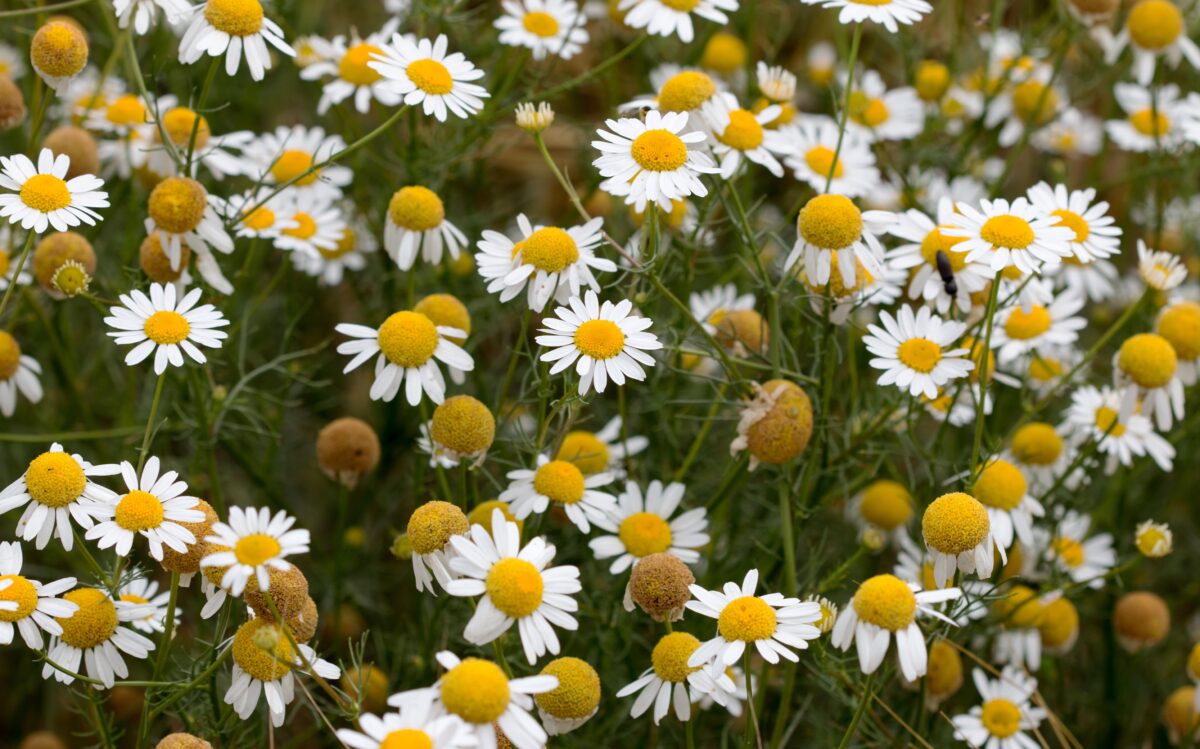
Incorporating these plants into natural cosmetics not only allows us to take advantage of their benefits, but also connects us with nature and offers us healthier alternatives that are more respectful of the environment.
Recommended combinations
- Dry or sensitive skin: sweet almond oil with calendula or chamomile.
- Oily or acne-prone skin: jojoba oil with rosemary or lavender.
- Relaxing effect: olive oil with lavender or lemon balm.
- Muscular pain: sunflower oil with St John’s wort or rosemary.
- Regenerating: avocado oil with rosehip or St John’s wort.
- Refreshing aroma: coconut oil with citrus.
How to make an oleate step by step
Necessary Materials
- Clean and dry glass jar.
- Base vegetable oil.
- Dried plants or fresh plants with low water content.
- Strainer or gauze for filtering.
- Labels to identify the jar.
Procedure
- Prepare the plants: if fresh, dry them for a few hours to avoid moisture.
- Fill the jar: introduce the plants up to 3/4 of its capacity.
- Add the oil: completely cover the plants, removing air bubbles.
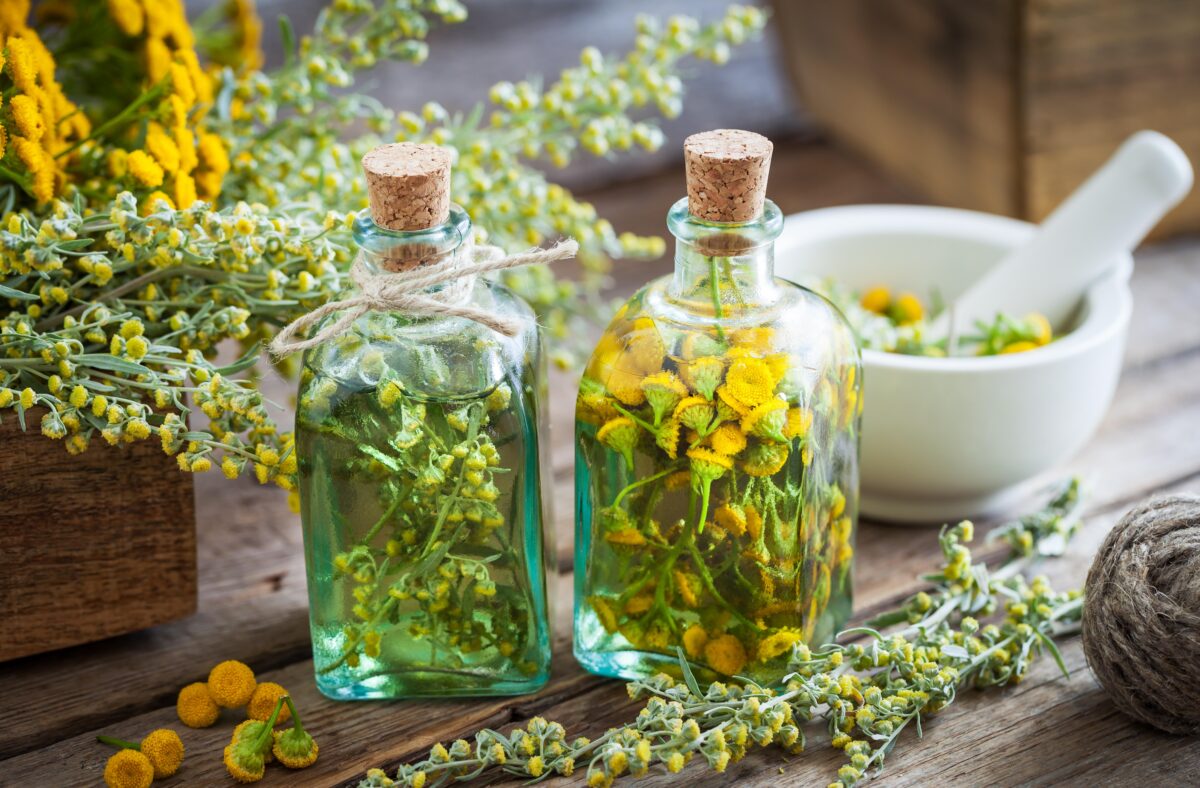
- Macerate: close the jar and place it in a warm and dark place for 4-6 weeks, shaking it every few days.
- Filter: after the time has passed, separate the plants from the oil with a strainer or gauze.
- Store: keep the oleate in a dark jar with an airtight lid, labelling with date and ingredients.
Additional Tips
It is important to avoid direct sunlight, as prolonged sun exposure can accelerate the oxidation of the oil, which diminishes its effectiveness and alters its beneficial properties. To ensure that your oil maintains its potency for longer, store it in dark jars as they block light and protect the oil from degradation. This helps maintain its stability and prolongs its shelf life, allowing you to make the most of its benefits. Before using any oil on the skin, it is essential to perform a sensitivity test to avoid possible allergic reactions or irritation. Apply a small amount to a discreet area and wait a few hours to see if any adverse reaction occurs. This precaution is especially important if you have sensitive skin or are trying new oils. Finally, do not hesitate to experiment by combining different oils and plants according to the needs of your skin or body. Mixing nourishing oils like olive with lighter ones like jojoba, or adding plant essences such as lavender or rosemary, can offer you a personalised formula that suits what you are looking for. It will allow you to find the perfect combination for you, so have fun and explore new possibilities!
Oleates are a simple and natural way to harness the properties of medicinal plants in cosmetics and wellbeing. Go ahead and create yours and enjoy the magic of nature!


 Botanical team