







Botanist of the Month: Olga Mayoral
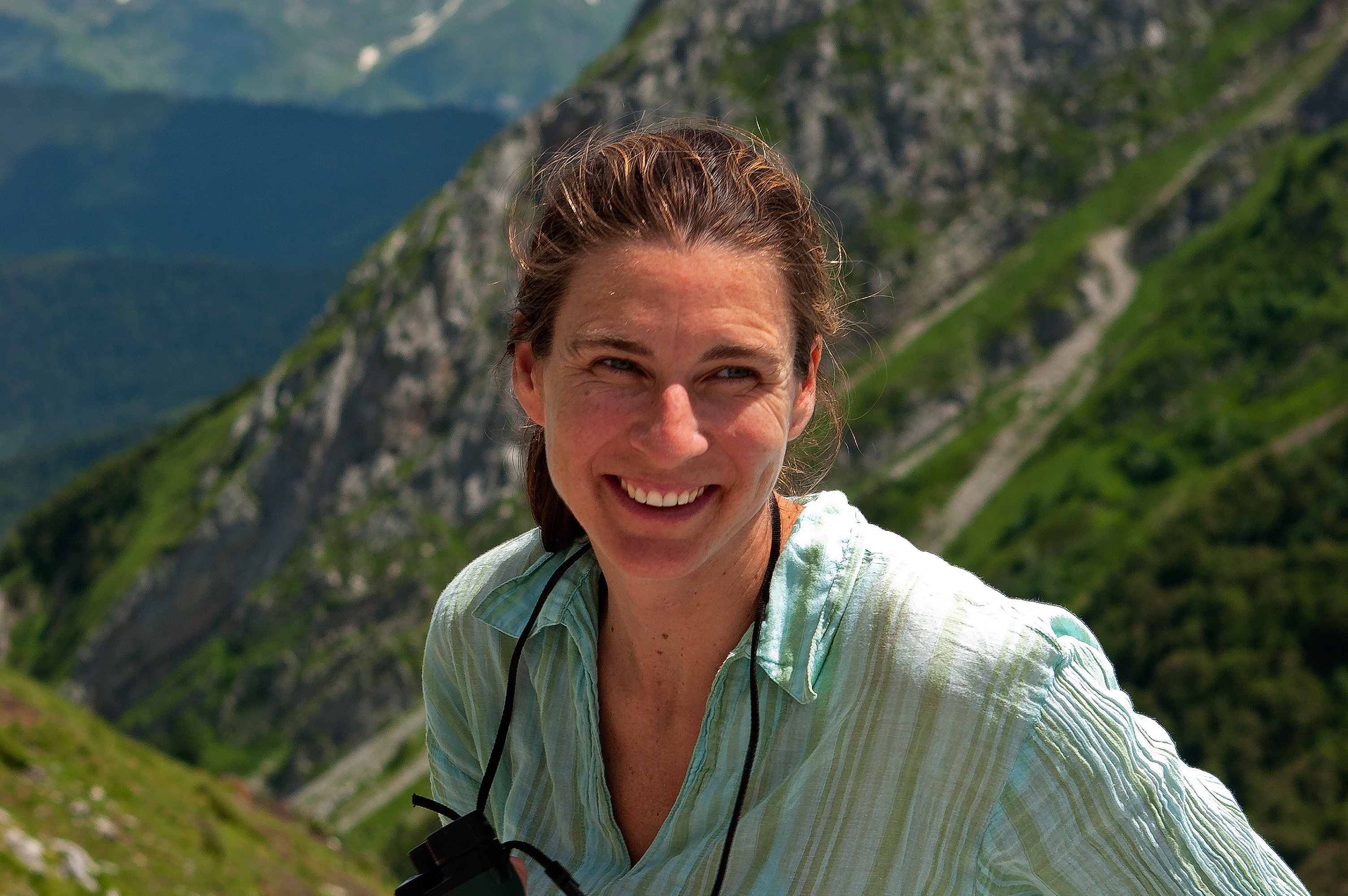
Preserving plant species and raising public awareness of the world of botany are the two aspects that best define this botanist, researcher and lecturer in the Department of Experimental and Social Science Education at the University of Valencia, who enjoys hiking in the mountains and can’t imagine teaching without using the natural environments around us. Arboretums and botanical gardens such as ours, with which she has a long professional and personal relationship, are for her a magnificent resource for training future teachers and carrying out quality educational activities in the open air.
Why did you choose Botany? What about botany attracted you?
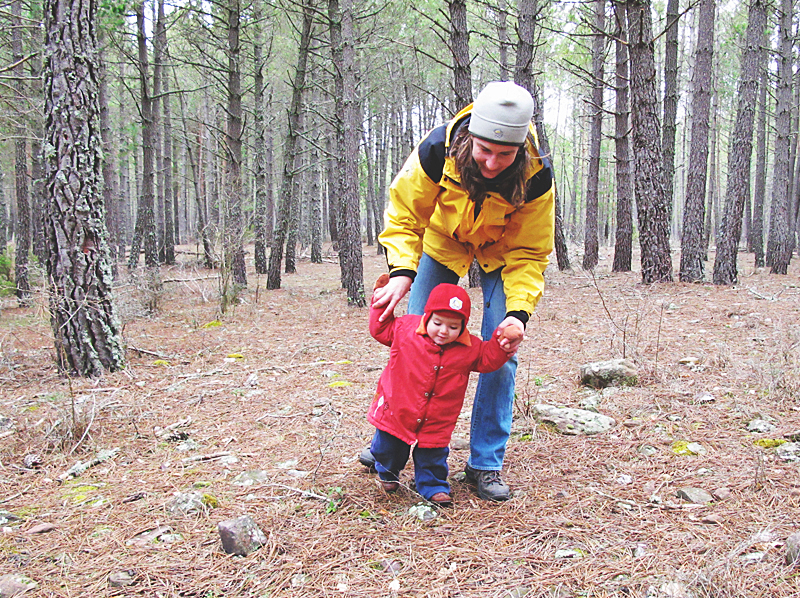
Since I was a child I have been in contact with nature. My grandfather lived in Venta de Contreras and for me it was usual to walk through the Cuchillos de Contreras and the banks of the River Cabriel. He taught me my first scientific name, Rosmarinus officinalis, and bought me a book on medicinal plants. As a child I lived in the Pyrenees and in Cuenca, where I had the opportunity to go to the mountains with people who knew the territory and enjoy learning.
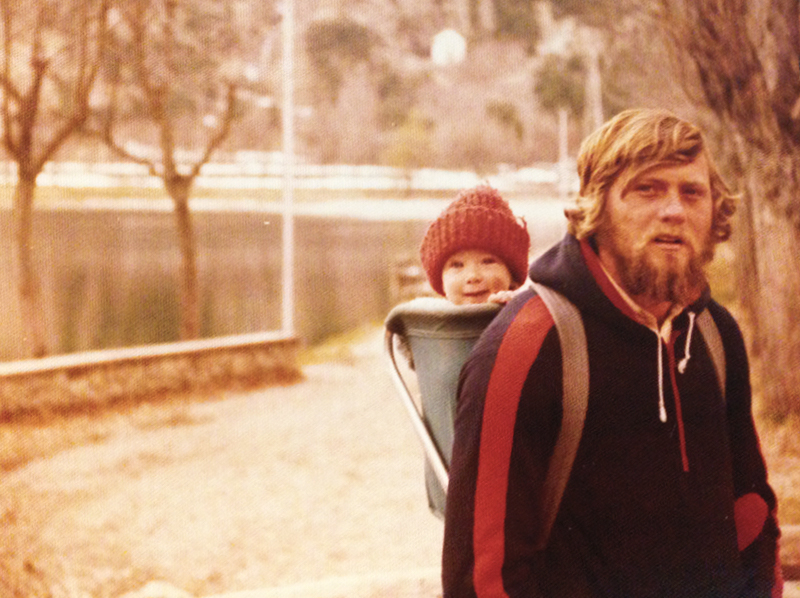
So the curiosity for knowing what surrounds me comes from when I was very little, but when I decided to study Biology, I soon became particularly interested in plants, although the best experiences were always the field trips with various specialists, who offered a more interesting and complete vision.
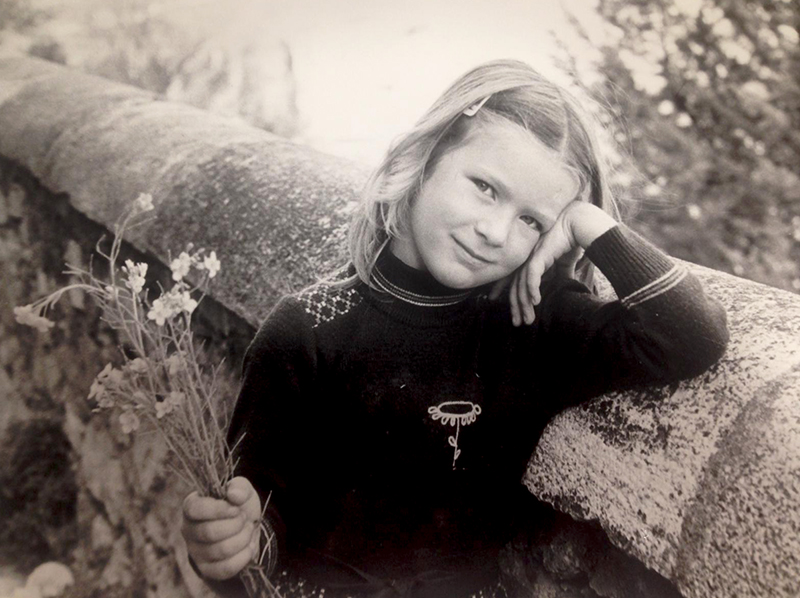
Isabel Mateu was my first botany lecturer and the first person who opened up the possibility of joining a research group. Pilar Donat, then director of Montgó Natural Park, generously helped me to identify my first plants with the 1990 edition of the ‘Keys to the Valencian flora’ and made me see that it was possible.
Your relationship with the botanic garden goes back a long way. How did it come about and where does it stand now?
When I started my degree, as biology students we were regular visitors to the Jardí Botànic, although always on a private basis, because we only made one visit with teaching staff during botany practicals. The Jardí Botànic was a place to learn and spend pleasant times with friends. In 1999, shortly after finishing my degree and returning from a long trip through Patagonia, Gonzalo Mateo offered me the opportunity to join the work team for the Atlas of Natural and Semi-natural Habitats of Spain at a scale of 1:50,000 and Atlas and Maps of the Potential Vegetation of Spain, commissioned by the Ministry of the Environment. I gladly accepted the job together with Miguel Ángel Gómez-Serrano, a fellow student and colleague for many years of subsequent work.
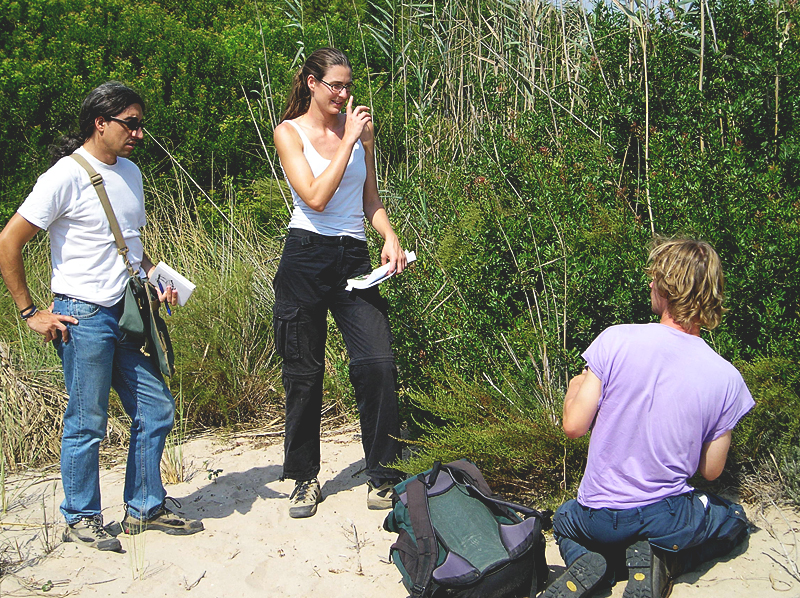
The coordination of our work area was carried out by Manuel Costa Talens and moved to the Jardí Botànic as soon as the research building was inaugurated in 2000. So we can say that my link as a botanist began with the new research building in May of that year. The first years there were very exciting, as some congresses were held that helped to give it visibility and allowed botanists from other regions to get to know the new facilities. In 2002 the Jardí Botànic hosted the ‘1st Congress of Plant Conservation Biology’, at which we presented a study on the Distribution and demography of the yew (Taxus baccata) and the lime (Tilia platyphyllos) in the Valencian Community, as well as a conservation proposal for the cottonweed (Otanthus maritimus) in dune ecosystems.
During the first years of the 21st century we were developing, together with Gonzalo Mateo and based at the Jardí Botànic, vegetation cartographies, as well as studies for the Regional Government of Castilla-La Mancha for different protected areas. In 2005 we began, together with the then director, Antoni Aguilella, studies on the Quality of Riparian Forests (QBR) in the Júcar river basin. Simultaneously I began to make use of the plant collection of the Jardí Botànic as a botany lecturer, first from the Polytechnic University of Valencia (PUV) and from 2007 also from the Faculty of Biological Sciences (University of Valencia).
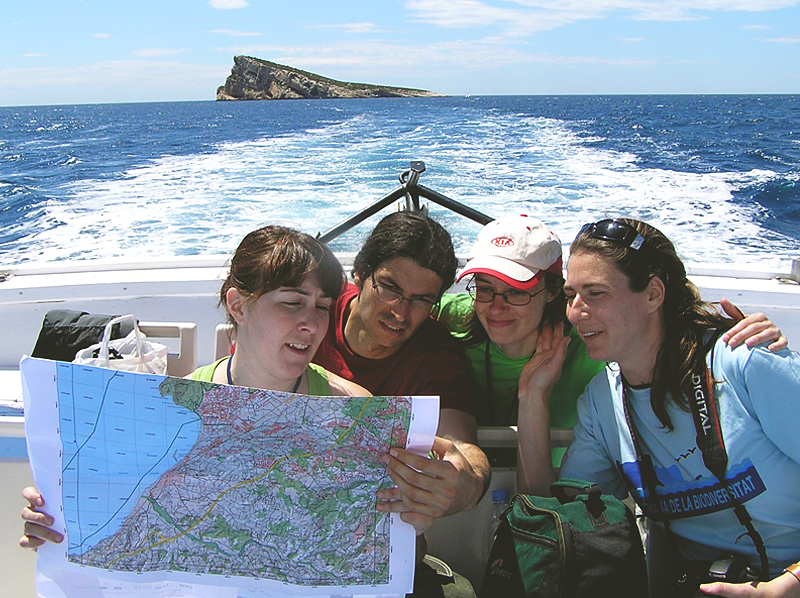
In 2011, together with Jaime Güemes and Elena Carrió, we started the project ‘Analysis of inbreeding and its effect on the reproductive success of Castilian-Manchegan populations of Atropa baetica’, which allowed me to link my knowledge of the Castilian-Manchegan territory and the populations of this unique plant with the knowledge that Jaime and Elena could contribute from the world of reproductive biology.
At the same time, my involvement expanded to one of the things I like most: making the world of botany known to the public. I consider that the Jardí Botànic is the perfect place for all those people interested in the world of plants who haven’t been able to access specific botany studies to receive training from botanists who enjoy teaching. And since then we’ve organised different editions of courses on general botany initiation, plant identification or knowledge of plant landscapes, among others. I also try to collaborate with the initiative ‘De ruta amb el Botànic‘, where we carry out routes through Valencian geography in which an expert guide in plants, who offers a unique vision with a botanical approach, goes along with another expert in the area.
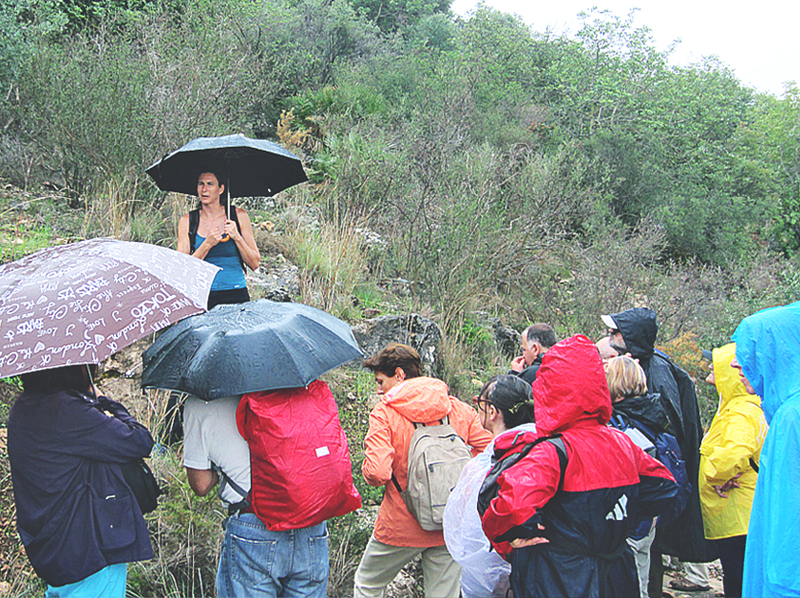
Another project that I developed with great enthusiasm at the Jardí Botànic was launching the ‘Garden Tours’, guided visits in English around the Jardí Botànic itself. The pilot project began in 2014 and has allowed foreign visitors, many of them, to visit the garden with a botanical guide in English. But I’m very excited about the moment we are in, as I now form part of the Jardí Botànic, from the Department of Didactics of Experimental and Social Sciences, with the conviction of the potential that plants and botanic gardens have as a teaching resource. I must confess that since I’ve been in this department I come more often with my students to the Jardí Botànic, which has become yet another classroom in teacher training.
And in all these years as a botanist, what is the most curious or amusing situation, that can be told, in which you have found yourself while carrying out your work?
Well, a day comes to mind when we had to enter a private hunting estate near the Ciudad Encantada, in Cuenca, where there were two female wild pigs with their piglets. Supposedly they were all very peaceful, but we ended up running away from the nervous bites of one of the female wild pigs who demanded attention and whom we had to placate with a packet of sunflower seeds.
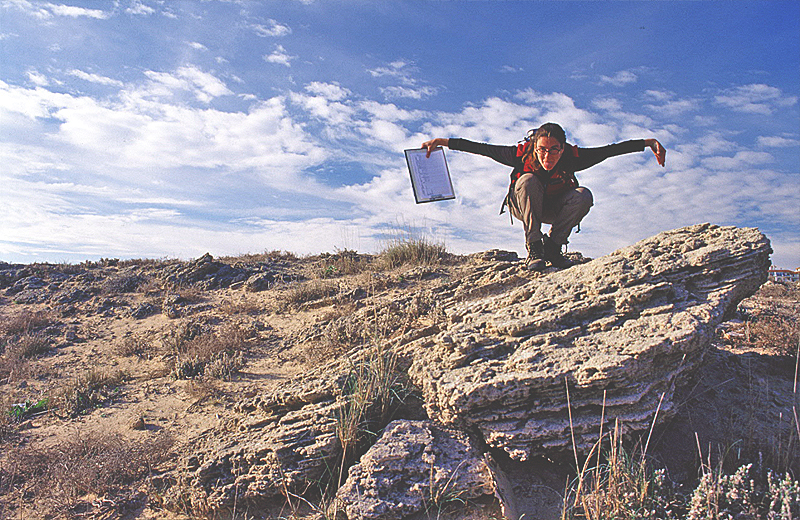
There were days when, to access populations of certain cliff-dwelling species, we had to descend deep chasms and subsequently swim through icy waters of mountain rivers, with samples of geraniums of the genus Erodium in our mouths.
Floristics, conservation, biodiversity… Which line of work in the field of plants best defines your career?
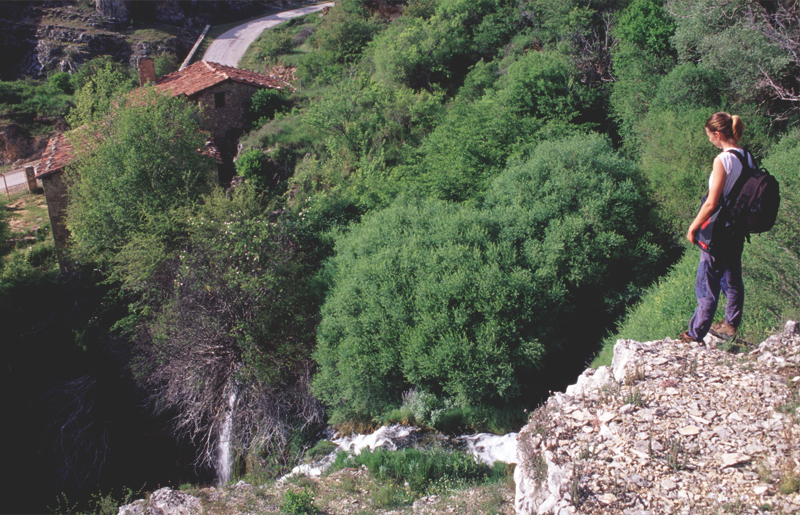
I believe that floristics would be the base on which a good part of my work is founded, which has been more focused on conservation. My doctoral thesis focused on the flora of the Upper Cabriel, in the province of Cuenca, but trying to offer some guidelines for conservation that might be useful for managers.
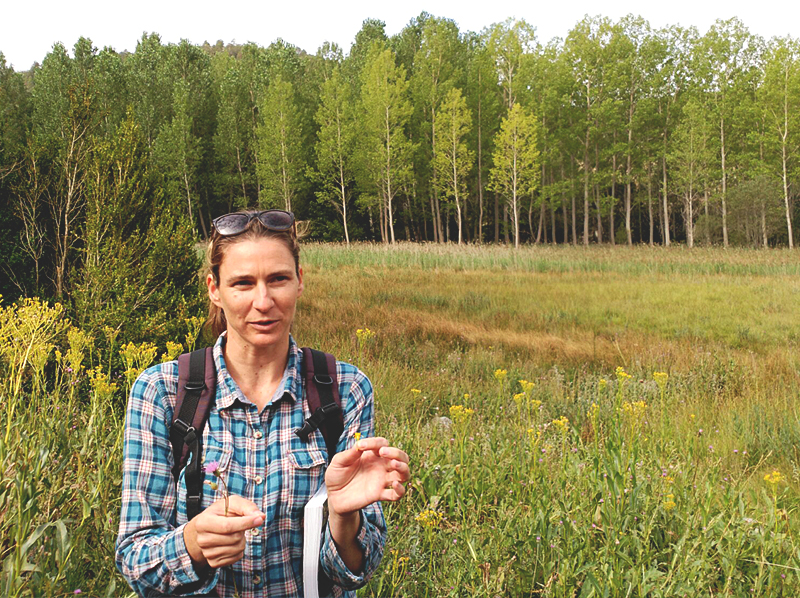
And the projects I’ve worked on have been cartography and population censuses of threatened species, management plans for flora micro-reserves and other natural areas, invasive alien flora studies, studies on the quality of riparian forests, etc. But always with a clear vocation for dissemination and teaching, so that everything that’s learned through research can permeate society, improving its knowledge and promoting citizen activation and participation.
So, although plants continue to be part of your working environment, your current work has been reoriented towards another area, hasn’t it? How did you get here?
The complicated circumstances we have experienced in public universities over the last 15-20 years have meant that since 2000 my work as a botanist has been as a self-employed professional. From 2005 I combined this work with teaching at the Polytechnic University of Valencia, as an associate lecturer, in Forestry Engineering and Environmental Sciences, and from 2007, also at the Faculty of Biological Sciences (University of Valencia).
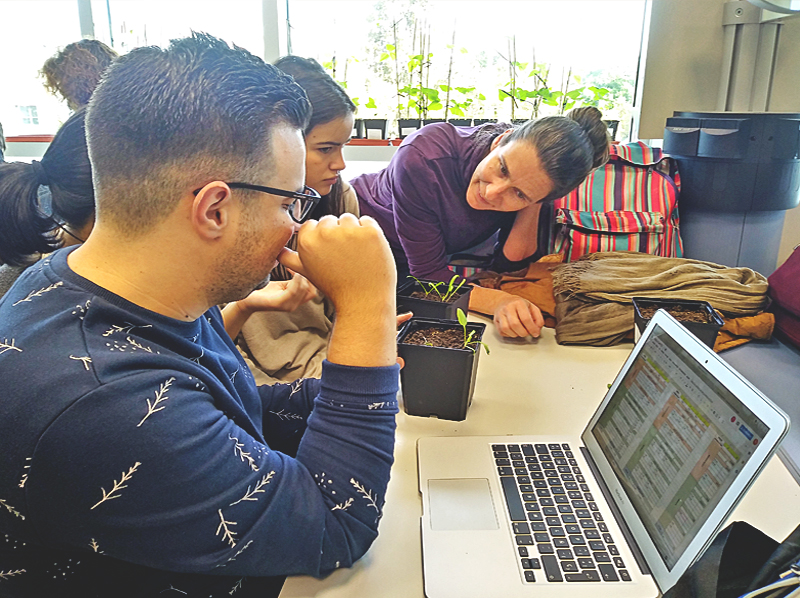
I’ve always had a special interest in being able to transmit effectively, not only knowledge, but also in awakening interest and promoting attitudes towards science, and especially towards botany and biodiversity conservation. But it was almost by chance that I ended up as an associate lecturer in the Department of Science Didactics, at the Faculty of Education and in teacher training. At that moment I decided to train in this field, taking the Master’s in Research in Specific Didactics, which showed me a fascinating world in the field of research in this context. Furthermore, I soon became aware of the multiplier effect that teacher training has. In recent years I’ve been meeting up again with biology and environmental sciences students to whom I taught botany and natural resource management and conservation subjects who are taking the University Master’s in Secondary Education Teaching. It’s a joy to be able to share with them the love of biology and the challenge of making it accessible and interesting to younger students.
Today I’ve reoriented myself towards aspects such as the incorporation of ICT (Information and Communication Technologies), especially in secondary education, with projects like Quicknatura, in which we try to bring the world of plants closer through the use of QR codes so that they go from being mere urban furniture to elements of great interest in our environment.
Likewise, being involved in an educational innovation project such as EMI (English as a Medium of Instruction) has allowed me to come into contact with lecturers from other disciplines, such as psychobiologist Ferrán Suay and sociologist Carles Simó, with whom last year I organised an academic debate seminar at the Jardí Botànic itself, bringing together students from Education, Sociology and Psychology, a great experience.
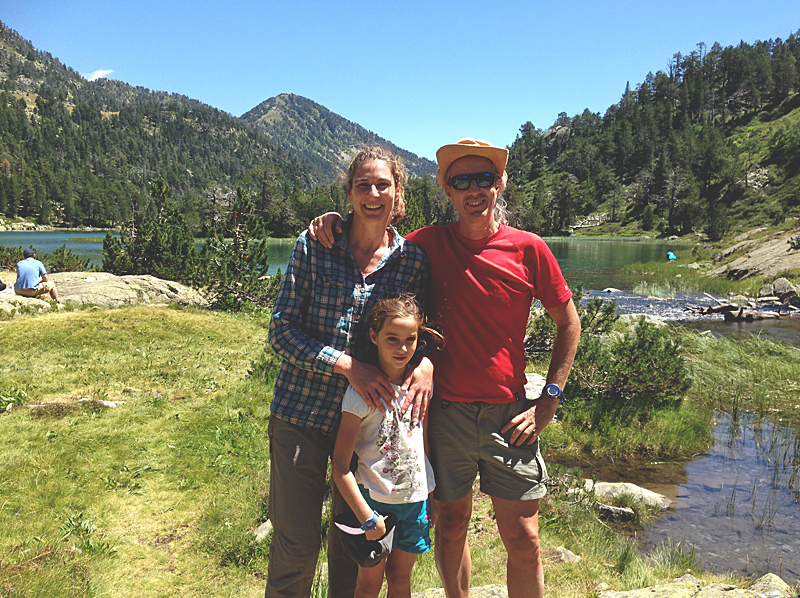
On the other hand, there’s something that has really meant a change in my life; having become a mother in 2008 meant gradually leaving behind fieldwork in areas far from our territory and focusing my efforts on work compatible with family. It’s been especially enriching to experience in recent years my daughter’s passage through the different educational levels while I’ve joined the training of teachers for those ages.
Teaching is therefore vocational for you. As a botanist, do you consider yourself a rara avisfor having and enjoying this duality?
Well, the truth is that in general, due to the demands that the university places on us regarding research and publishing in impact journals, one could say that putting a lot of energy into teaching isn’t adaptive. From the beginning, I’ve felt a suspiciously exacerbated taste for teaching, which I initially tried to contain, but which I now enjoy and can develop, focusing some research on methodologies and strategies that help teachers in their science classes. So yes, I’ve felt like a rara avis, but I am beginning to enjoy that oddity.
And the employment situation in the sector, what is your assessment?
Well, considering how the country is, I can’t complain because I work in what I like and have a relatively stable salary, but it’s worrying that full-time doctor lecturers at university earn less than nursery and primary school teachers, and of course, secondary school teachers. Furthermore, it must be taken into account that, apart from classes, we must be involved in management and we’re required to be good researchers as well. After 11 years as an associate lecturer it’s been a relief to have a full-time contract, with a more decent salary, but there’s still a long way to go if we want to have a quality university.
A very interesting field, science didactics, but what type of research is done? Are you participating in any project you would like to mention?
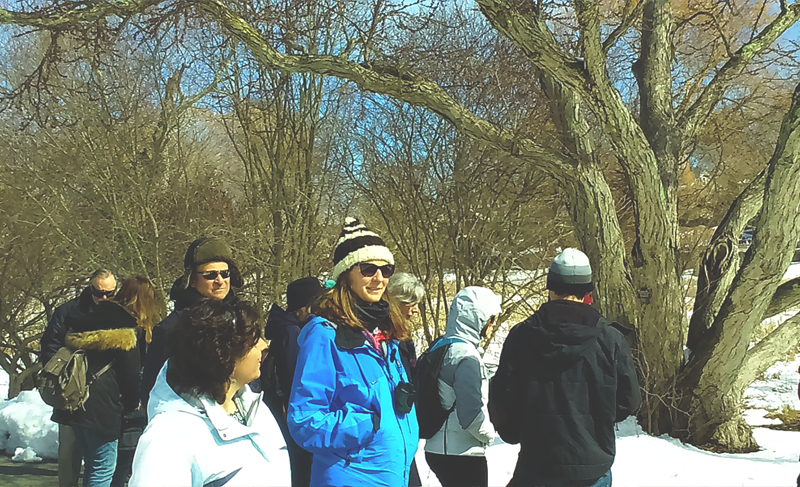
Currently I’m involved in several lines of research, some directly related to my role as a botanist, such as science teaching in natural environments and gardens. This line has allowed the formation of a study group with the Arnold Arboretum of Harvard University: Teaching and Learning Science in Outdoor Environments (TeLeSOE). Teacher training in botanic gardens and arboreta. One of the aims of this group is to promote teacher training focused on quality outdoor educational practices, linked to botanic gardens and arboreta as outstanding teaching resources.
I’ve recently supervised a doctoral thesis on the importance of field practices in teacher training. It’s been very interesting, because the thesis was developed by a lecturer from the Surcolombiana University (USCO), a very interesting and little-known region of Colombia, and a methodological sequence has been established that allows science teachers to acquire the necessary competencies to use outings to the natural environment as part of the biology subject. Teacher training allows many barriers to be overcome that keep teachers clinging to textbooks.
I’m also involved in a working group on education for sustainability, specifically for the incorporation of sustainability in the Secondary Master’s. This facet, which I can develop as a teacher of the biology and geology speciality of the Master’s, links very well with my career in conservation biology.
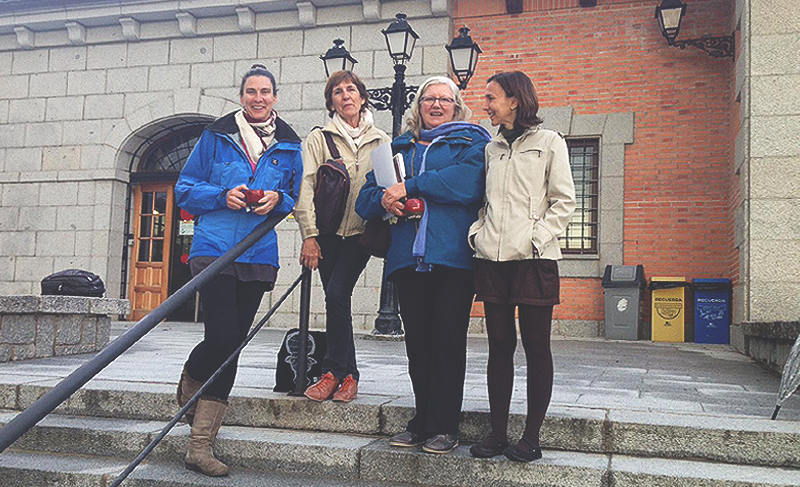
On the other hand, I’m part of a health education research group, with special interest, in my case, in environmental health and that complex relationship between our health and the environment. And, in general, I’m very concerned about the need to achieve scientific literacy of citizens, which of course needs the help of teachers.
And throughout your career, are you proud of having participated in any particular project? Tell us, tell us.
I remember the excitement we felt during the first days of fieldwork for the studies for the Natural Resources Management Plan for the Serranía de Cuenca. The whole process was very exciting, and it was wonderful to see how the natural park was finally declared and how the data we had collected was used to prioritise the conservation of certain species and places.
On the other hand, I’m very proud to have formed a study group with colleagues from Harvard University’s Arnold Arboretum. Being able to coordinate this with Ana María Caballero McGuire is an opportunity to exchange experiences and develop a line of work that I hope will have fruitful results. I particularly like to think that we’ve just begun a relationship between the Jardí Botànic and the Arnold Arboretum that will surely lead to important exchanges between both institutions.
So you have recently been to North America for work, but out of curiosity… how many continents have you been to and which natural area do you keep from all those you’ve visited? And why? Make us envious!
Well, I haven’t been to so many continents! The most attractive trip I made was six months through South America. After finishing my degree, my partner and I followed in Darwin’s footsteps and made the same route that he once made with the Beagle in this area.
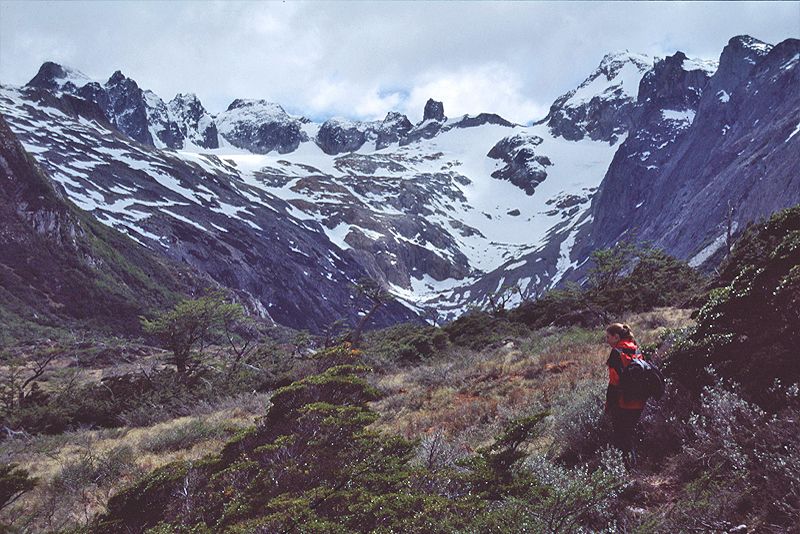
We started in Buenos Aires and went down the Atlantic coast to Tierra del Fuego and even to Navarino Island, opposite Cape Horn. Afterwards we went up north on both sides of the Andes, visiting natural areas as impressive as Torres del Paine or Cerro Torre and Fitz Roy. Few Spaniards ventured to those latitudes then, it was 1998, and the journey, which ended in Peru in April 1999, has been one of the most enriching experiences in natural areas I’ve had. I’ve been to South America a couple more times; last year I was able to visit Colombia, although I still have to discover the most beautiful corners of that country.
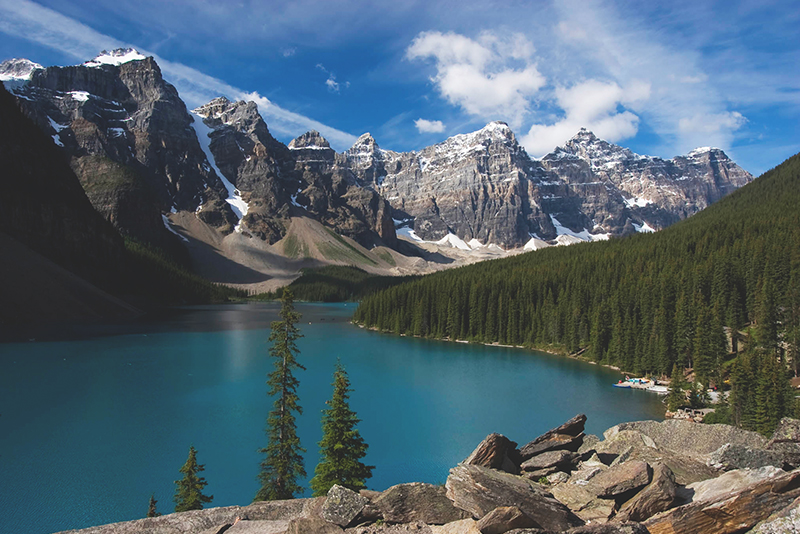
Regarding North America, when I was pregnant with my daughter Lúa, we spent a month touring the Canadian Rockies and this spring I did a research stay at the Arnold Arboretum of Harvard University, in Boston, Massachusetts, which has been my first contact with the United States of America.
I know North Africa, but I’ve only been to Tunisia and Morocco, the latter being a country where my grandmother was born and to which I have a special affection. On the other hand, my closest foray into Asia has been to Turkey, but without having covered the territory, so I think I still have to discover that region. It’s the first time I’ve stopped to think about how many continents I’ve visited. But I see that I have much left to discover: Asia, Oceania, sub-Saharan Africa…
Of the European continent I’ve been around several areas with greater intensity: France is a country we visit a lot as a family. I have a special affection for the island of Sardinia, because there I did various pre- and post-doctoral stays and I have good botanist friends. Furthermore, it is a place with impressive landscape and cultural interest.
Going back to the work field, do you think your work allows you to learn about topics unrelated to Botany or Didactics?
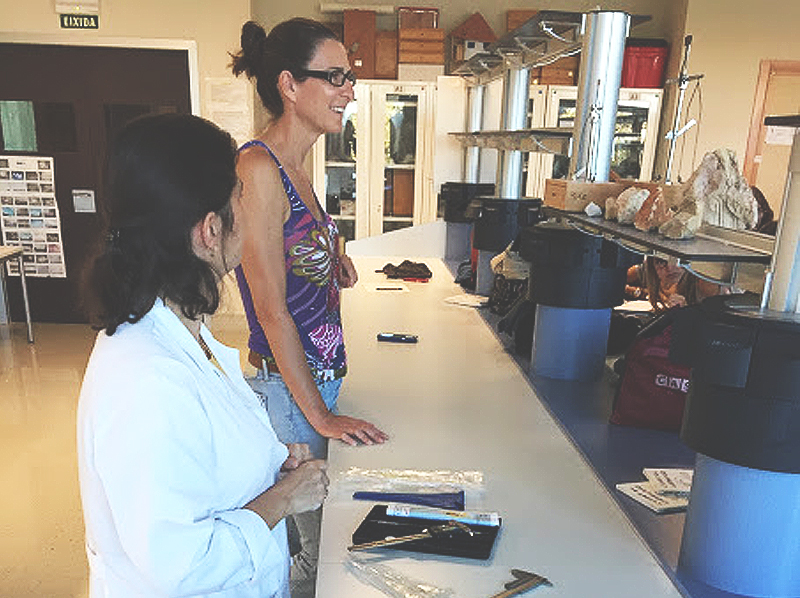
Well, yes. One of the things I like most about being at the Faculty of Teacher Training is being in a multidisciplinary environment. In my department I have colleagues who are physicists, chemists or historians. But in my corridor I have colleagues from English philology and it’s easy to enter the Faculty and be listening to a concert in the hall with students from the music speciality. In this way, I have the possibility of working, for example, with future physical education teachers and addressing issues such as the impact of physical activities in the natural environment or aspects of biology related to health and physical activity. At the Faculty of Teacher Training it’s easy to look for synergies and there’s a favourable atmosphere for collaborations. The corridor and cafeteria conversations are certainly varied.
An issue that’s proving especially attractive to me is one that focuses on the students, because there’s little point in giving wonderful classes if the students suffer, for example, violence within the family. That’s why I’m part of a research group in which we address the relationships between interpersonal violence, eating behaviour and suicidal ideation. Some of the data we’re obtaining are especially worrying.
And dissemination, what role do you think it plays in all this and in research in general?
Dissemination is something that I consider very important and that I’d like to be able to work on more, but at the moment the publications of my research keep me very busy. I’ve published some books on interpretation of coastal ecosystems that we could include in this category, but I really hope to be able to dedicate more time in the future. From time to time I write for Espores, but I’d like to do it more often.
You must have met very interesting people in all this time, tell us about someone.
Well, yes! I’ve met very interesting people in very different fields. I’ve already mentioned some, but if I go back to the beginning of my career, I think the fact of having shared my university years with Jordi Domingo, entomologist, and Miguel Ángel Gómez, ornithologist, two people with great interest in both biological and other areas of life, provided an impetus in a degree that didn’t offer us everything our restless minds expected.
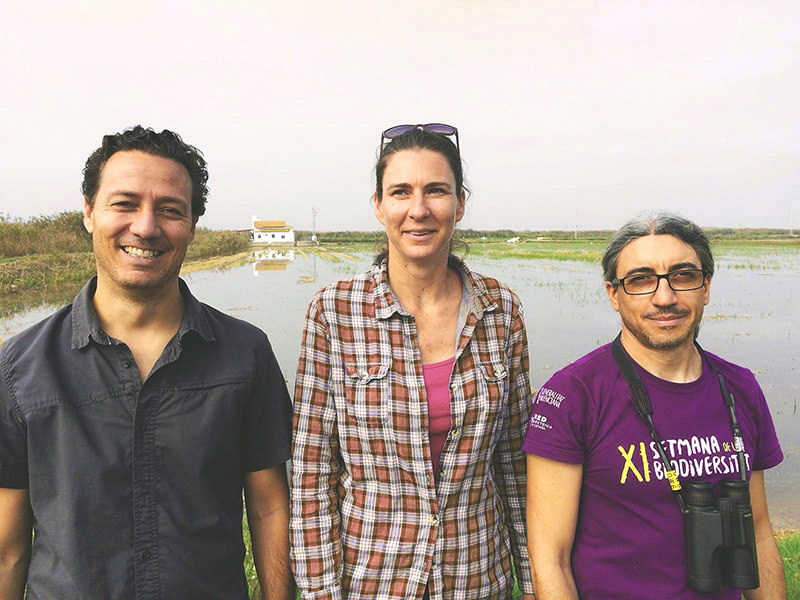
We organised field trips with them to learn and enjoy the geography we had at hand. And with them we embarked on carrying out some studies on dune ecosystems and had the audacity to enter the City of Castellón Science Prize, which we finally won. This meant the research was published and encouraged us to edit a book of itineraries along the coast of Castellón.
In my new role in the world of didactics, I must thank the good reception in the department of which I’m now part. Jordi Solbes, the director, was the one who encouraged me from the first moment to take the Research Master’s and lately has got me involved in research on some factors that influence plant growth and how to foster critical thinking against the strong incursion of pseudosciences. For his part, Valentín Gavidia generously invited me to join the Ministry project on Health Competencies and offered to co-supervise a thesis. Amparo Vilches opened the doors for me to a Ministry project on Inclusion of Sustainability in teacher training. These signs of generosity and support have meant a lot and I’ve been very lucky to be able to join established working groups with scientists with great careers in didactics research.
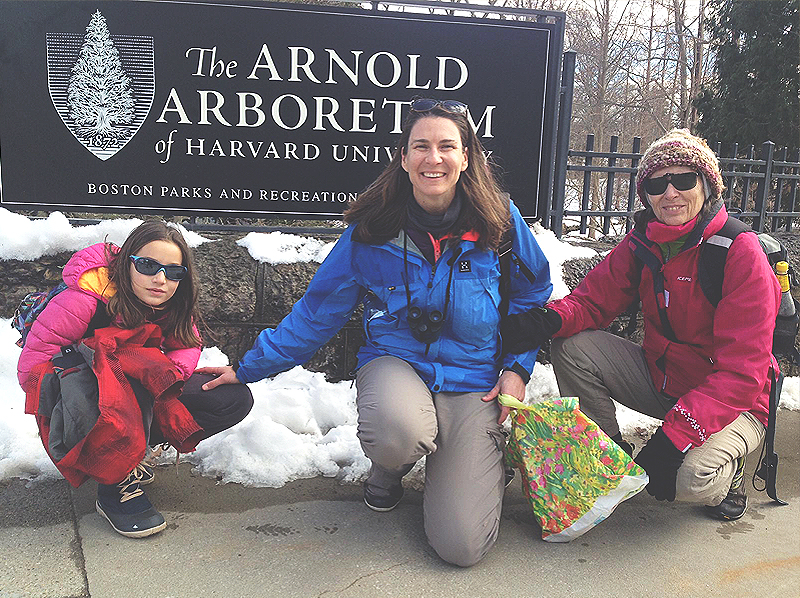
In recent times during my stay at Harvard University I’ve been able to meet exceptional researchers and live in the atmosphere of a research institution in which I continuously received input of great professionalism and commitment to research and education. It’s been one of the most interesting experiences in recent times.
To finish, how would you encourage current biology students to dedicate themselves to the same work as you and how do you imagine their future?
The truth is that the paths I’ve followed in my career are somewhat complex, but certainly very interesting. Dedicating oneself nowadays to field botany from the university is quite complicated. However, thinking of the multitude of biologists with a teaching vocation that there are, I’d encourage those who are going to dedicate themselves to teaching to use natural environments to teach many scientific issues.
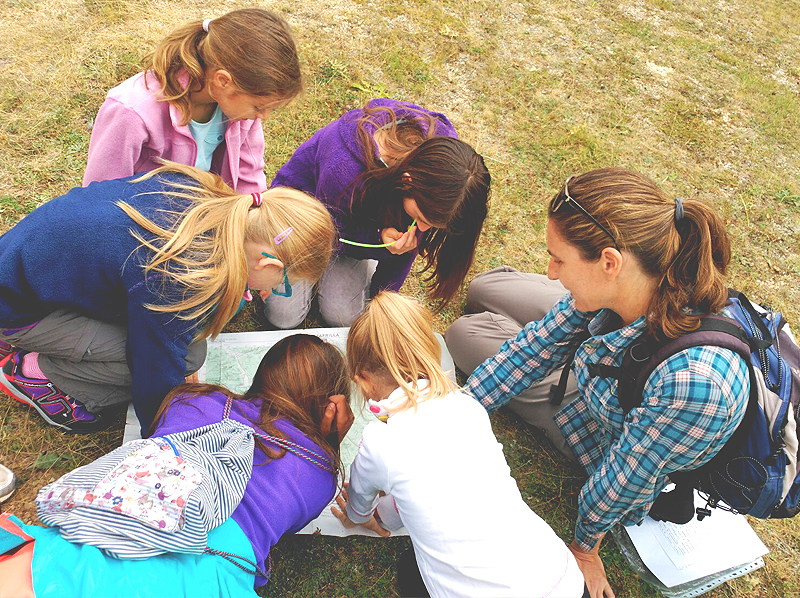
They can be things as simple as going out to the school garden to see the parts of plants and flowers instead of studying them from the book. For students, going outside the classroom is always an incentive and if, in addition, they can be made participants in a research or inquiry, interest and involvement will be ensured, with the possibility of fostering critical thinking and using scientific methodology, instead of studying it. And the good thing about plants is that they tend not to move from the spot; they’re always willing to be studied, touched, analysed… And they can be easily reproduced from seeds or other propagules. It’s increasingly common to find people who have never planted a seed, which is very surprising. But it’s thrilling to see the emotion that invades them when they see how the first leaves emerge and a new plant is generated, capable of ultimately developing seeds.