







Botanist of the Month: Emili Laguna
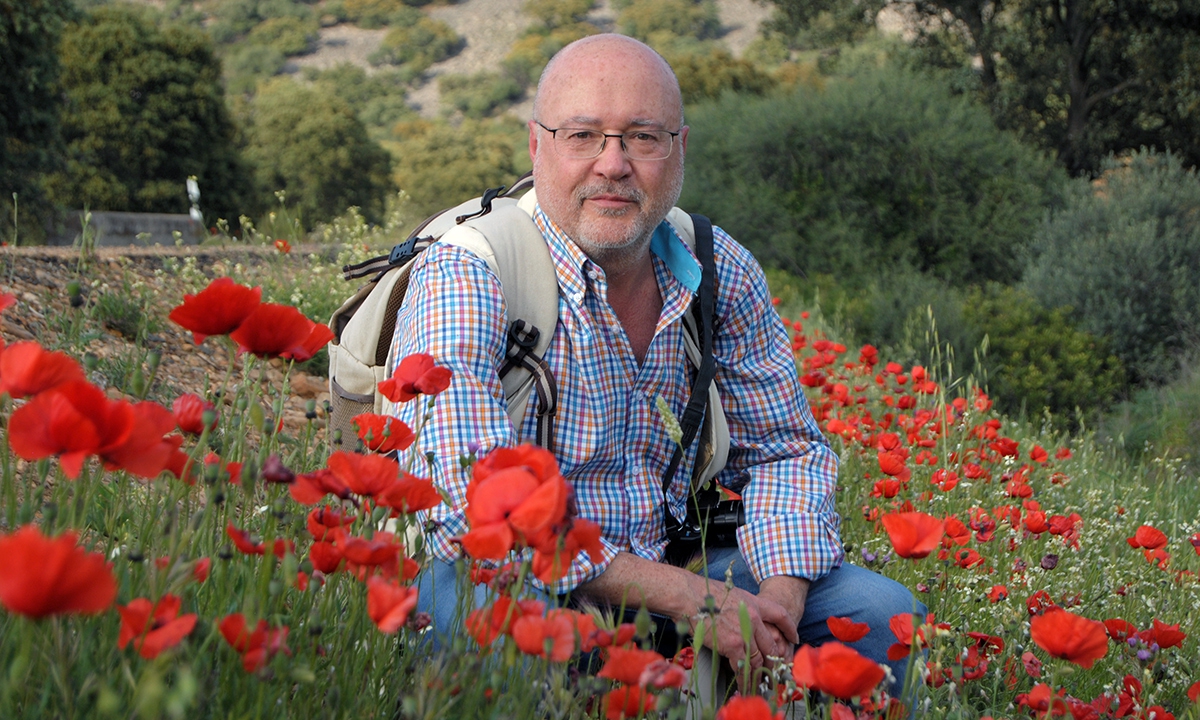
An expert in rare, endemic and threatened wild flora, and internationally recognised as the promoter of flora micro-reserves, a successful protection measure with over 20 years of existence. Emili Laguna works intensively in the field of conservation through various initiatives. He is also Head of Natural Resources Protection at the Wildlife Service of the Generalitat Valenciana (the Regional Government of the Valencian Community) and coordinator of threatened flora programmes at CIEF.
Why did you choose Botany?
Plants have always fascinated me. I grew up between the city of Valencia and Belalcázar, a village in the far north of the province of Córdoba, where my maternal family comes from—shepherds and farmers. For many years I had to share my books with the hoe, the sickle or the pouch on my back; moreover, the older people taught me a lot about the properties of plants, which ones could be eaten, the poisonous ones, the healing ones… When I was in Valencia, the Jardí Botànic was my father’s favourite place to take me for walks on many Sundays.
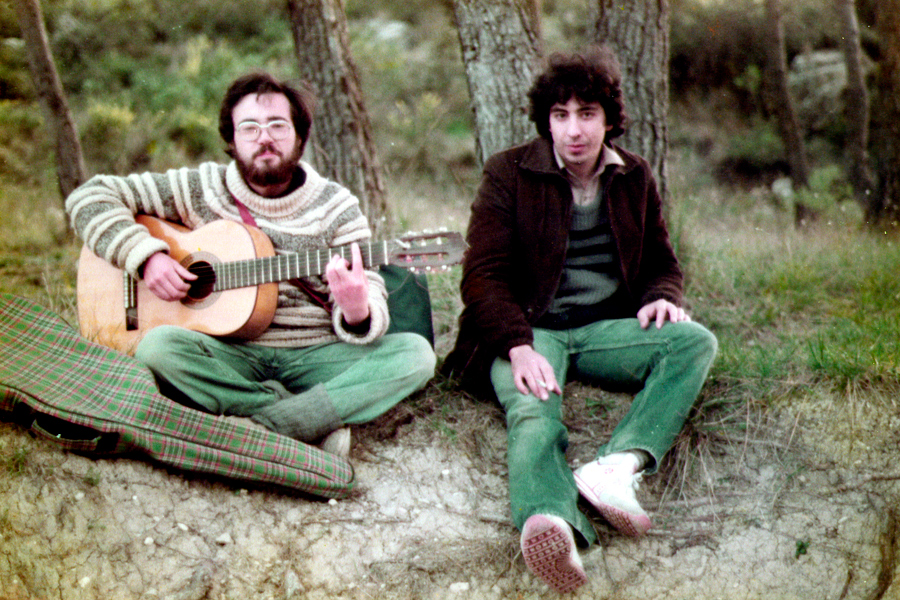
When I was younger, I was particularly fond of animals, especially invertebrates, but my botanical vocation was consolidated especially when I was studying for my baccalaureate at the Technical College of Córdoba. During my last year there, in the 1978-79 academic year, with some savings from small jobs done the previous summer, I bought my first field guide to plants and animals; at last I could begin to recognise and name plants! Already at the University of Valencia in 1979, starting my degree in Biological Sciences, I was convinced that for the second cycle I would choose the specialisation in Plant Biology. In fact, at the beginning of the third year, still in the first cycle, I had already begun, under the supervision of Professors José Mansanet and Rafael Currás, what would later become my dissertation on plant phenology.
Since 1999 you have been a civil servant of the Generalitat Valenciana as a Biology specialist. Could you summarise your professional career?
Between 1984 and 1986 I undertook some occasional botanical work for various administrations, such as the Provincial Council of Valencia or the Ministry of Agriculture. My work at the Generalitat began at the end of 1986, as an interim civil servant biologist for what is now called the Wildlife Service, and I worked in that provisional post until 1989. That year I passed the competitive examination for permanent contracted biologist, permanent staff of the Generalitat, and 10 years later I became a civil servant. Between 1987 and 1990 I was the first director-warden of the Carrascar de la Font Roja Natural Park, a delightful place where I had some of my best professional experiences. Since 1991 I have held the post of section head, although between 1990 and 1996 I temporarily performed the duties of service head.
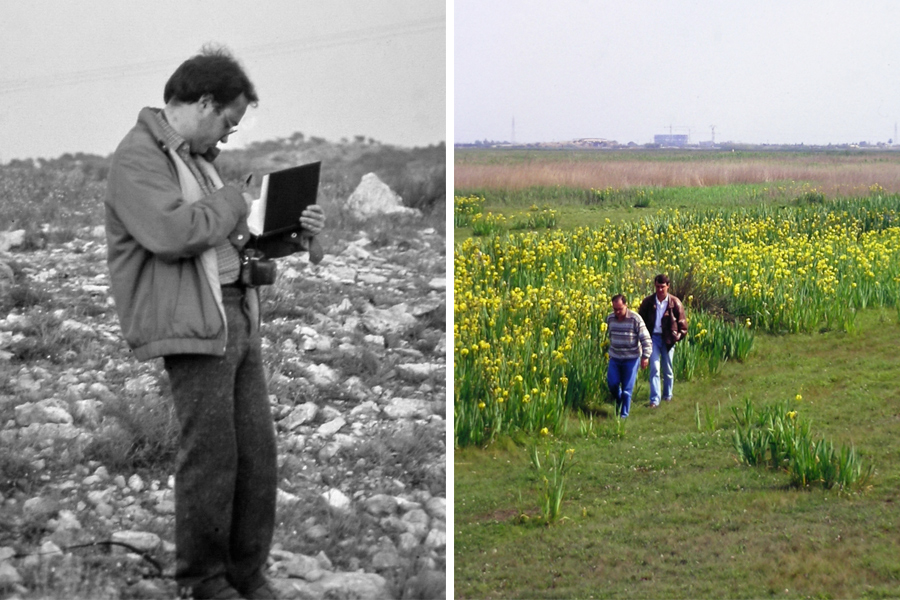
When I started working I was the only botanist at the Generalitat, and despite being stationed in Alicante I carried out work for the service in all three provinces, getting to know a large part of Valencian geography. Among other tasks, I was responsible for part of the first research agreements with Valencian universities for the study of our rare, endemic and threatened flora, reaching the conclusion that most species of conservation interest were often concentrated in microhabitats. From this emerged the idea of flora micro-reserves, and of programming their creation and management to form a network, rather than as isolated nature reserves. Following the project I drafted in 1992, funding was granted from the LIFE programme which enabled that idea to be implemented. In 2006, when CIEF (Centre for Forestry Research and Experimentation) was created, I was entrusted with directing conservation projects relating to threatened wild flora, both regarding ex situ conservation and the many habitat recovery works.
In addition to directing the creation and operation of the micro-reserves, partly thanks to an excellent team under my charge, the micro-reserves enabled me to join different international working groups and entities, as a volunteer or in honorary unpaid positions—for example in Planta Europa or in several IUCN expert groups. Besides, I have advised on various projects for the creation of micro-reserves in other territories, such as Cyprus, Crete, Bulgaria, Slovenia, Menorca, etc., which has allowed me to acquire basic experience for my professional activity.
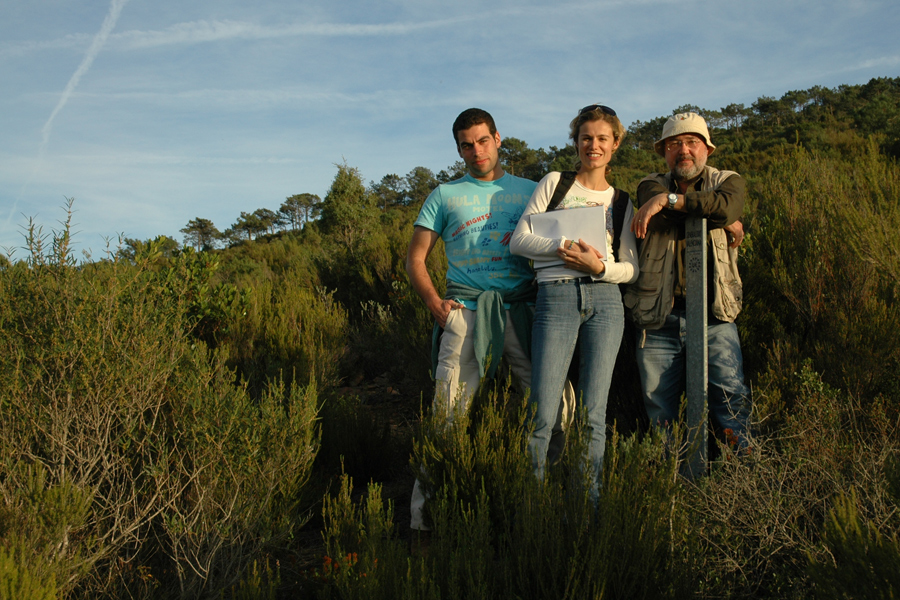
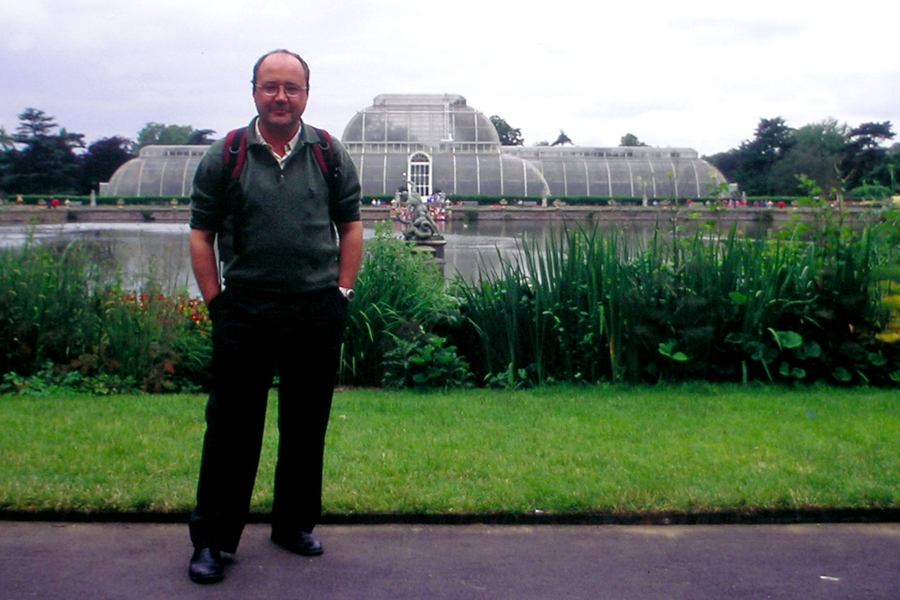
Much of my conservation work isn’t done within the Generalitat, but from home, and I collaborate with several entities. I was a promoter of the creation of SEBiCoP (Spanish Society for Plant Conservation Biology) and of the launch of the AFA project (Atlas of Threatened Vascular Flora of Spain), and I’m also a founding member and board member of the recently created SIB (Ibero-American Society of Biogeography).
In 2017, the Spanish Society for Plant Conservation Biology (SEBiCoP) awarded you the César Gómez Campo prize for your professional career. What did this recognition mean to you?
Great joy because, as I mentioned, on the one hand I was one of the promoters of the creation of SEBiCoP and I still remember that some voices predicted the initiative would have little future. It has now been running for 15 years, with ever more work accomplished! On the other hand, it was a great honour, since César guided my first steps in flora conservation with his advice—then by telephone or handwritten letters—at the end of the 1980s and beginning of the 1990s. This year will mark 10 years since César Gómez Campo passed away, but his spirit—not only scientific, but also his lessons in humanity—has guided many of us to reach where we are.
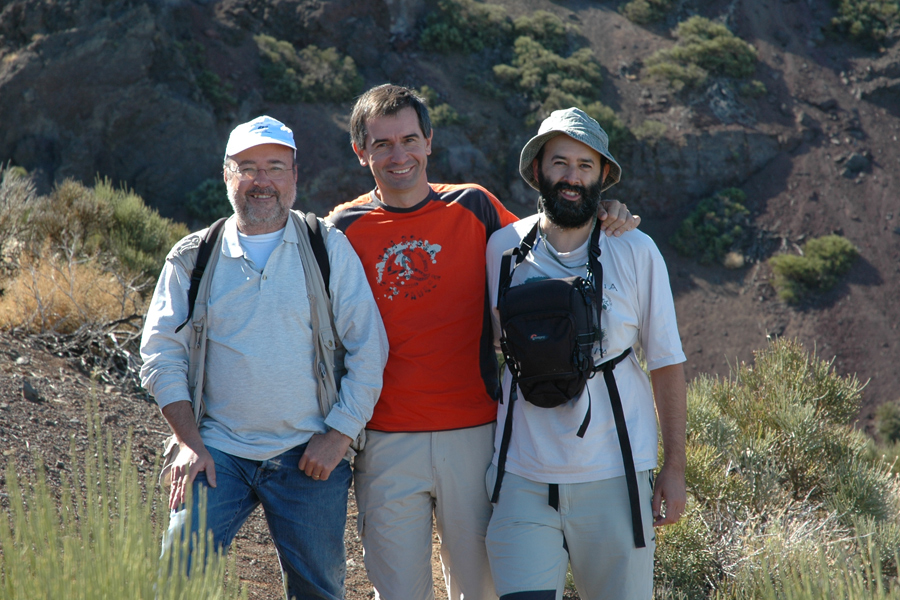
You are also internationally recognised as the promoter of micro-reserves, a protection measure that is now 20 years old. What is your assessment?
Well, it would be enough to say that we’ve gone far beyond what I had imagined. It has been almost 30 years since I proposed the idea of creating a network of micro-reserves, and 20 years since the first ones were legally declared: at the end of 1998 in Castellón and in 1999 for Valencia and Alicante. Today, we have more than 300 micro-reserves: it’s the world’s densest network of land specifically protected for wild flora. If receiving the SEBiCoP prize was a great source of pride, the same happened in 2004 when I received the Silver Leaf Award from Planta Europa, precisely for the proposal and implementation of flora micro-reserves.
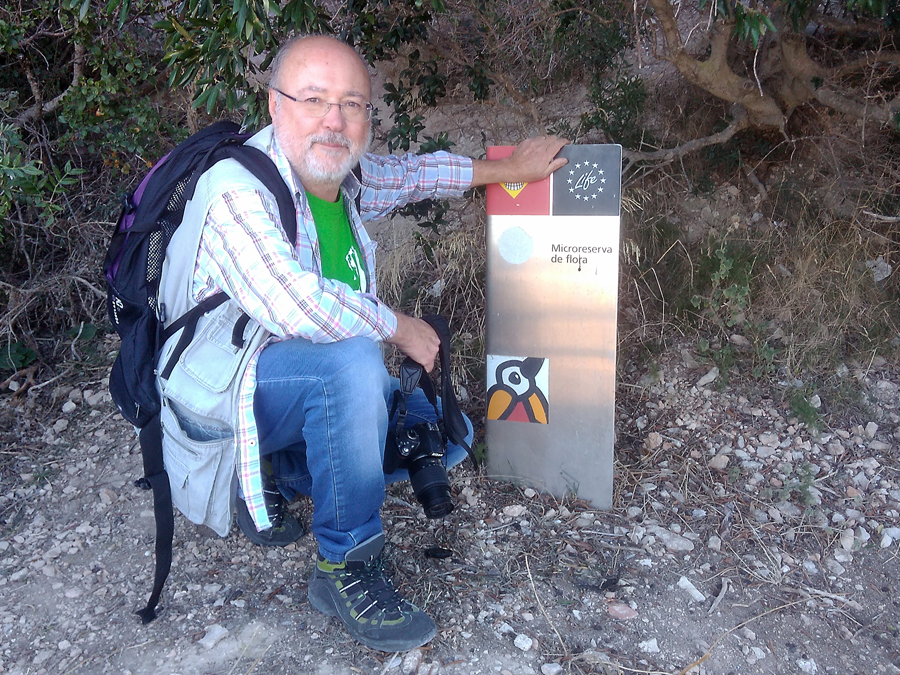
How relevant are aid programmes such as LIFE from the European Commission for conservation biology?
They are very important in those territories where there are no own resources or other community funds, as well as for the conservation of highly threatened species; the problem is that the funds can only be dedicated to species protected by the Habitats Directive, and that regulation has extremely deficient plant lists, based on documents from the 1980s! They are also relevant because they are the only multifunctional European funds, that is, they cover all types of conservation work.
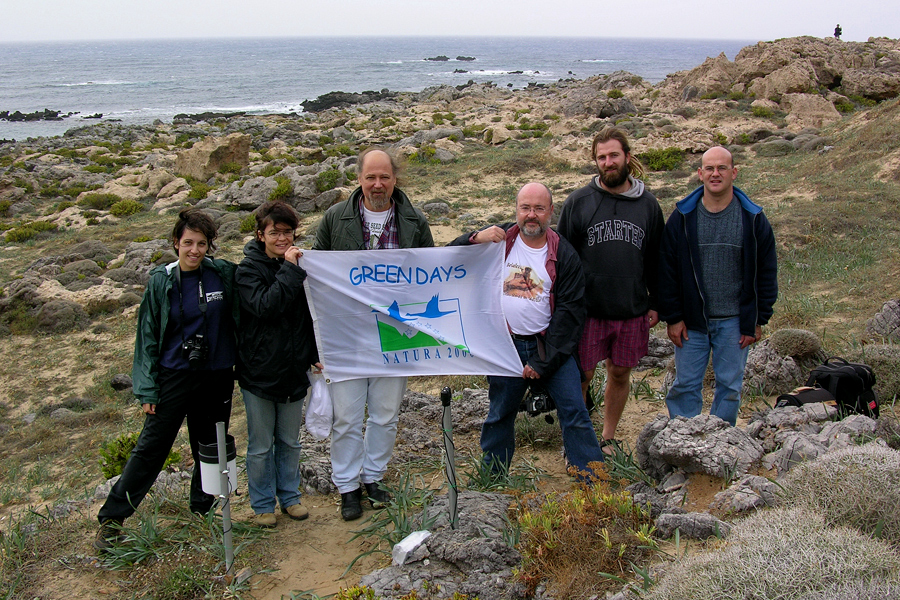
Many years, many projects… Which one are you particularly proud of?
Obviously, the creation of the flora micro-reserves network. Also, increasingly, the development of recovery plans for the 3 plant species that benefit here from this protection tool: Silene hifacensis, Limonium perplexum and Cistus heterophyllus subsp. carthaginensis. In any case, I’ve always felt prouder of carrying forward these projects thanks to an excellent team, the technicians who day by day carry out these tasks under my coordination.
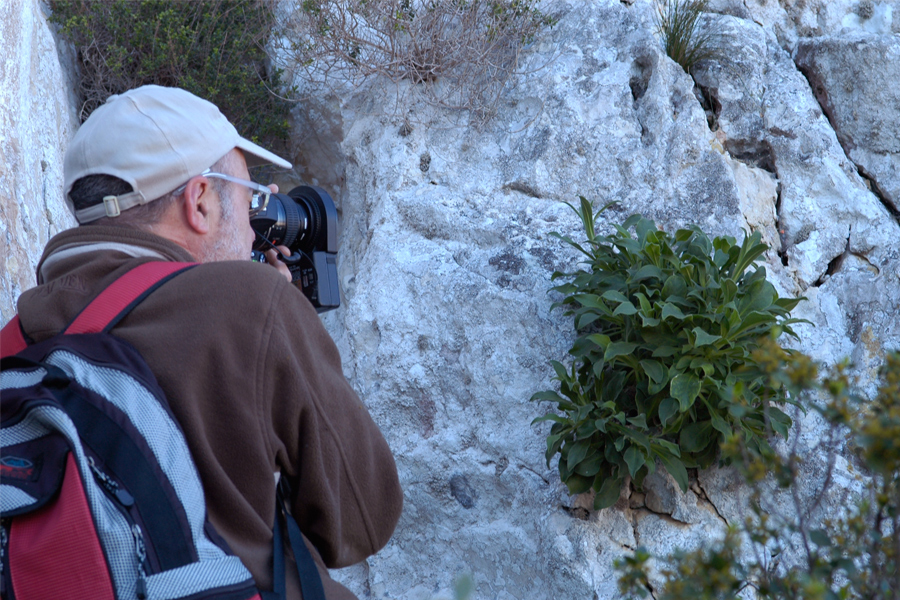
You have also been director-warden of Carrascar de la Font Roja Natural Park. What would you highlight from that period?
It was a very beautiful and exciting time, where I learnt a lot, and with broad local support for many of the initiatives I promoted. Parks are still far from being managed with enough vision for the future; the number of technical staff on the Generalitat payroll for their management, compared with other countries around us, is absolutely derisory, and this greatly hampers their ability to be more valued by society.
What projects are you working on right now?
In my work at the Generalitat I’m involved in many things at once, from continuing work with the micro-reserves network to developing recovery plans. In any case, this is 15 or 20% of my work; the rest is technical-bureaucratic work (reports, memoranda, authorisation procedures, etc.). As a more interesting new task, I handle the Nagoya Protocol desk for the fair sharing of biodiversity benefits, although most of the files I process concern microorganisms rather than plants!
The projects to which I dedicate the most creative or intellectual work I do in my free time, devoted mainly to ethnobotany, collaborating with a research team from the Iberian Southeast, and to advising or preparing some books and databases. I’m also collaborating with the Conect-e platform for gathering knowledge about the uses of Spanish wild plants through citizen science.
How has your work changed over time?
Unfortunately, current work is increasingly bureaucratic. Fortunately, there are more people committed to conservation, from ordinary citizens and businesses to administrations at all levels, but the human resources dedicated to it are totally insufficient. The last competitive examination for technicians in my service was… almost 25 years ago! Now I dedicate myself, among other things, to drafting projects so that others can do what I would like to do!
What is the first and last thing you do when you enter your office?
After switching on the computer, I open my email and check whether there are requests for plant identification or other support for volunteers who send us data for the Biodiversity Data Bank. These are people who do invaluable work altruistically, and the speed of responses to what they ask us is really important to keeping morale high! The last thing is to check that I don’t forget the portable hard drives, since afterwards I continue much pending work at home, which forces me to carry the information with me. This affects especially dissemination work (writing books, articles, etc.), which is impossible to do in the office.
Do you work alone or as part of a team?
Always in a team! Nowadays it’s almost impossible to think of working alone, and even less so in the case of threatened flora conservation, where many tasks must be developed in sequence over time. Teamwork is necessary and very enriching, especially when you see that your disciples and colleagues at the same time surpass the master!
Do you think your work allows you to learn about topics not related to Botany?
In my work I’m a biologist, not just a botanist, so I necessarily learn about zoology, microbiology, etc. Of course, I have to keep up to date if possible with knowledge of ecology, geology, soil science, climatology and environmental sciences in general, but also with matters of environmental law and administrative procedures. Moreover, to do the work well requires social relationship skills that have nothing to do with botany.
Which do you consider the essential skill for your work?
Probably the capacity for dialogue and understanding of other people. Authoritarianism and top-down processes have less and less place in the relationships of trust between conservation actors. One must listen to and accept much of what others say, not simply listen to them in order to continue with one’s own idea. Plants are conserved for the people, but with the people, and this implies a great deal of outreach work. The painstaking work with few people at a local level, who act as catalysts from the grassroots, following a bottom-up strategy, achieves much more.
It must also be said that the prominence of the administration in biodiversity conservation matters is not only excessive, but inhibits grassroots initiatives. Often a talk about the usefulness of medicinal plants (that is, things that local people who are more interested but without botanical training can understand) does much more for conservation than the explanation of everything we do from CIEF or the Wildlife Service, which people may listen to with admiration, but which they assimilate as something alien that has nothing to do with their lives.
So, what is your assessment of the sector?
Good in terms of conservation in general, although to progress in the future it would be important to generate a network of social entities dedicated to the conservation of threatened plants and for conservation to be fundamentally in the hands of NGOs, as is done in most European countries. At present, the bulk of this task is carried out by public administration, and the only association committed to these tasks, SEBiCoP, is basicaly a scientific society that is still at the beginning of the road to developing these functions.
As a specialist in rare, endemic and threatened wild flora, could you give us a quick diagnosis of the situation here? What is the plan?
At present, we are often considered the most advanced autonomous community in flora conservation in Spain and, in fact, we frequently advise teams from other territories. In recent years, we are managing to save from extinction the Valencian species considered most threatened from the point of view of legal obligations. Looking to the future, we must continue with many more species, but as I mentioned before, conservation work is being carried out mainly from public administration; there are no groups or NGOs fundamentally focused on wild flora and this is a necessary task for the future. Local involvement isn’t easy if one only preaches the importance of threatened species—this doesn’t ‘engage’ people. Conservation should be linked much more closely to popular knowledge, ethnobotany, touching more on the fibre of local identity. People become much more involved when they see the usefulness of plants, and many of the most threatened ones have or can have such uses (as ornamentals, medicinals, and so on). This would also require modifying the legislation, which is excessively restrictive and inhibits all these parallel initiatives.
What role does dissemination play?
Basic. It is the most important task for long-term conservation, and the one that receives the least support in the case of threatened plants, being much more oriented towards the physical technical work—in situ and ex situ—of species rescue, and also suffering from the lesser empathy that plants inspire compared with other elements, such as fauna.
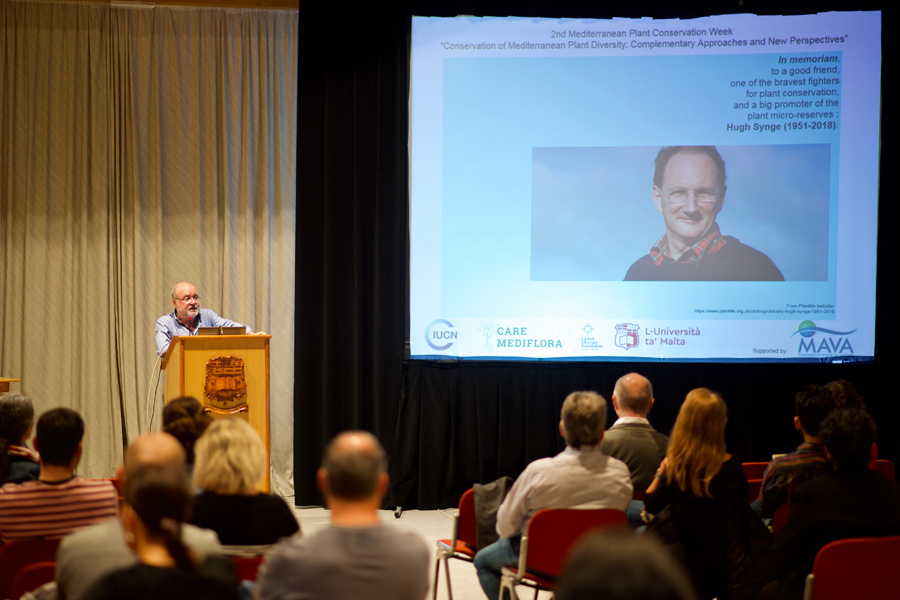
Recently, you participated in the 2ndMediterranean Plant Conservation Week, held in Malta. What role do collaboration networks such as Genmeda or Care-Mediflora play?
Once again basic, although we are still at the beginning of the journey. Genmeda is the network of Mediterranean plant genetic rescue centres, which emerged from two projects directed from CIEF by my colleague—and now Director General of Natural Environment and Environmental Assessment—Antoni Marzo, and over time the network of associated centres has grown notably. At present, I am fortunate to temporarily be the CIEF representative in Genmeda, and I believe its future is assured, not only because the Mediterranean is one of the great centres of plant biodiversity on the planet—as conservation work would never end, with such an enormous list of endemic and threatened plants—but also because it’s an entity where all the shores of the Mare Nostrum converge, paying special attention to North Africa and the Middle East.
What is your relationship with the Jardí Botànic of the University of Valencia?
The relationship has been great and satisfying. While studying for my Biology degree I often came to the Jardí Botànic; it was the best place to learn about plants, but also to walk, think, reflect… My first years at the Generalitat were practically in parallel with the rehabilitation process of the Jardí Botànic under the direction of Professor Manuel Costa, with whom I also had a close relationship through the botanical research agreements with our Council for the Environment, of which I was the faculty director. I’ve had a good working and friendly relationship with all the directors of the Jardí Botànic—Manuel Costa, Antoni Aguilella, Isabel Mateu and Jaime Güemes—and also with many of the people who work or have worked there. The list of good friends would be too long, as would the list of good times spent together, especially the great gatherings of Spanish and European botanists that I have organised or co-organised: the first edition of the Spanish Congress of Plant Conservation Biology—from which came the commitment to create SEBiCoP—and the IV European Conference ‘Planta Europa’ on Plant Conservation.
You must have met interesting people through your work…
Many, not to say a great many. Without doubt, tribute must be paid to the good conservationist friends who have left us. A few months ago Hugh Synge passed away, author of the first IUCN world red book of flora and editor of the magazine Plant Talk, the only worldwide magazine on plant and fungus conservation. Hugh took a special interest in micro-reserves and in the initiatives we developed from the Generalitat. I coincided with him for many years on the Planta Europa steering committee, and I learnt a lot from his humanity and his good work in the task of environmental dissemination about the rescue of threatened plants.
Vivienda reformada en Campanar
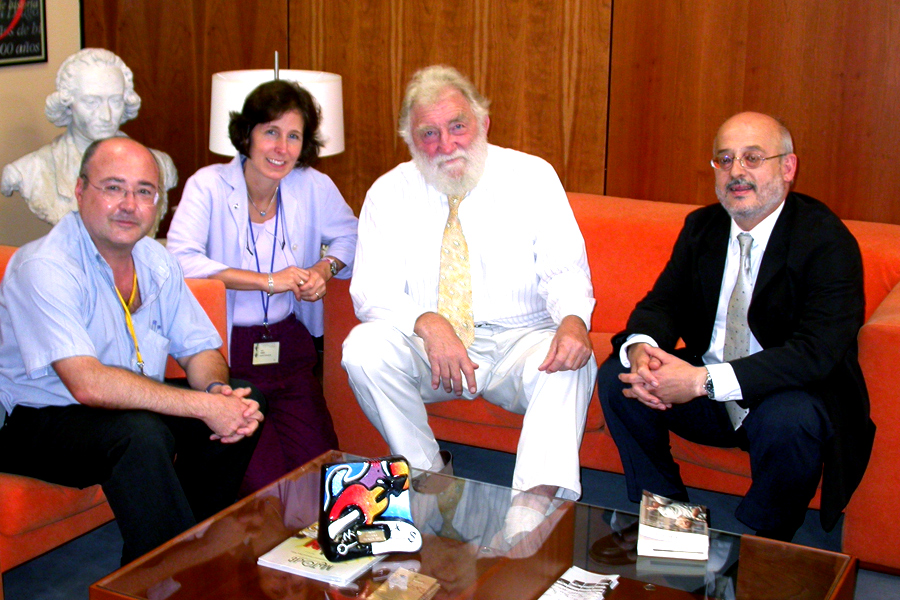
A very amusing situation comes to mind, while I was preparing to give a talk to which I had been invited at the VII Symposium of the AIMJB (Ibero-Macaronesian Association of Botanic Gardens). I was in the toilets trying, without much success, to tie my tie knot; lack of practice, I’m no friend of ties! Seeing my difficulty, three people who happened to be in the toilets at that moment came over: José Antonio del Cañizo (at that time director of the Concepción Botanic Garden, in Málaga), Josep Lluís Gradaille (director of the Sóller Botanic Garden, in Mallorca) and Professor Vernon Heywood. Each one took charge of one of the steps to make the knot, while giving me an excellent practical lecture on the art of ties, types of knots, etc. Everyone who came in almost fled at the strangeness of that situation. It must be said, it was, without doubt, the best tie knot I’ve ever worn—not even at my wedding did I have a better one!
Do you consider yourself a disciple of any particular botanist?
I think I’ve had many teachers. Of course, my dissertation supervisors (my first research work): Professors José Mansanet and Rafael Currás—who also later supervised my doctoral thesis. For floristic knowledge, without doubt the person from whom I’ve learnt most and continue to learn is Gonzalo Mateo. For my speciality, I owe much to César Gómez-Campo, the introducer and pioneer of flora conservation in Spain; his advice guided the beginning of my work. I’ve also learnt a lot from Professor Vernon Heywood, a source of wisdom for anyone who wants to have knowledge about flora conservation.
What period of Botany would you have liked to live in?
The present one, without any doubt. It’s a very important moment. I’m probably part of the last generation that has received a sufficiently complete botanical training, much better than previous ones—due to the advancement of knowledge—and, without doubt, better than future ones—because botanical science has almost disappeared from university training programmes.
How would you encourage current biology students to dedicate themselves to the same work as you, and what do they have to take into account?
Biologists receive almost no training in environmental law or in sociological or environmental education topics, which are basic for conservation. Additionally, they would need to have very broad training in floristics and fine identification of biological species in general—nowadays they don’t care whether they are talking about vascular plants or earthworms! The current training programme doesn’t give them any of these knowledge tools.
How do you imagine future botanists?
As they are now beyond the Pyrenees: good florists from conservation NGOs. Nowadays, it’s very difficult for anyone in most European universities to identify a plant you want to know about. In research centres we’ll have experts in the biochemistry and genetics of plants, but without the spirit of wanting to know as much as possible about plant diversity. That is, they’ll be excellent biochemists or geneticists but not botanists. Botanists, as we know them, will be in conservationist groups or associations but not in research centres. Let us hope that at least in the Jardí Botànic there will be botanists in 20 or 30 years’ time!