









Posidonia oceanica, the forgotten plant on the seabed
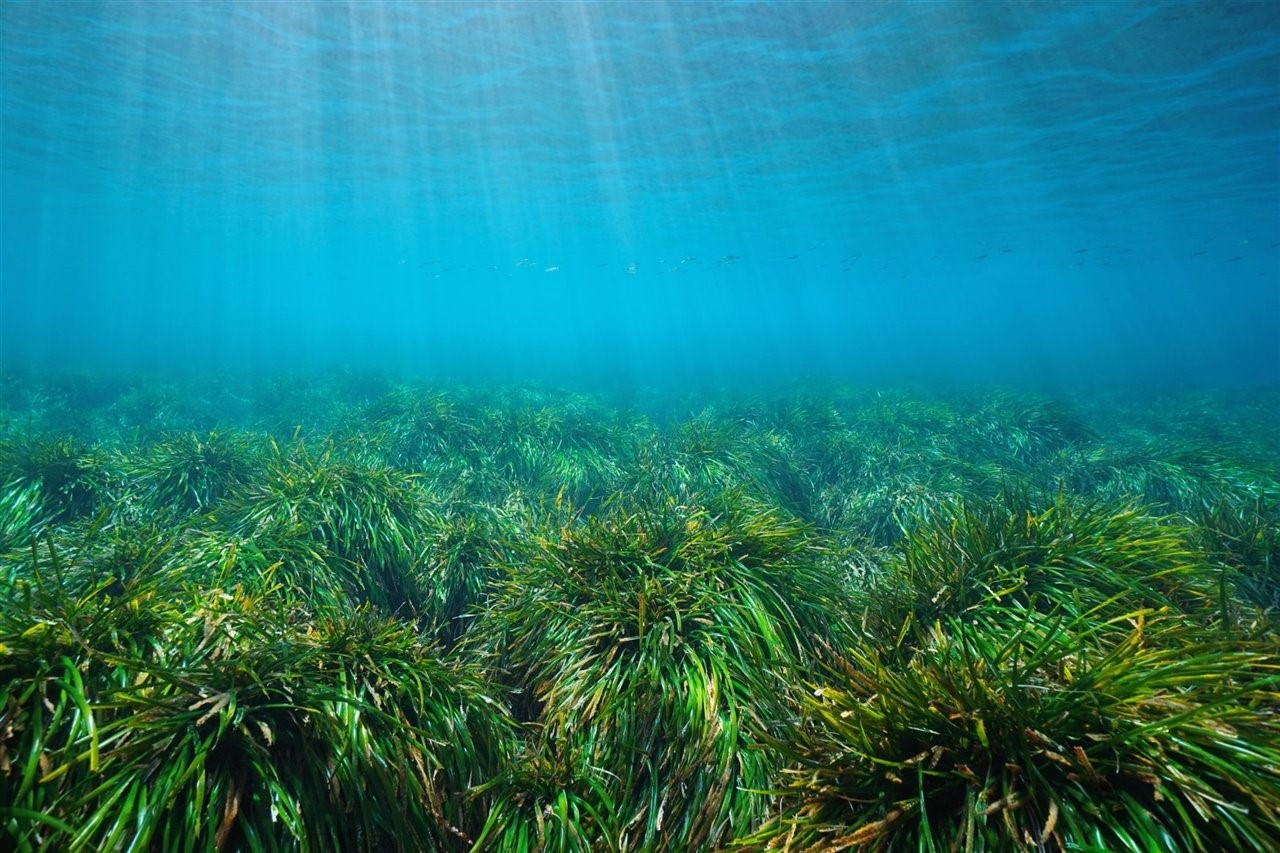
Have you ever wondered which are the plants that live in our seas and oceans? You probably think about colorful algae and exuberant corals, but in the Mediterranean we must highlight a unique and exceptional gem, the Posidonia oceanica. This week in espores, with Isabel Sanjuan, we will submerge ourselves in the bottom of our coastline to discover the secrets of this extraordinary plant. We will explore its fascinating life cycle and analyze its essential role as a key habitat for underwater biodiversity and the conservation of our coastal ecosystem. Isabel challenges you to become defenders of this underwater treasure, because only with knowledge and action, we can guarantee that future generations will be able to enjoy the wonders of this vital plant for our marine ecosystem.
Did you know that there isn’t just algae in the sea? In fact, you probably have seen an aquatic plant while you were enjoying a day at the beach. Now that Easter is coming and summer is just around the corner, it is possible that you visit the sea and, if you are lucky, you will find leaf remains on the coastline, long brown leaves that sometimes tourists call trash. However, these leaves that at first sight can seem disgusting and dirty are a real treasure of our coastline.
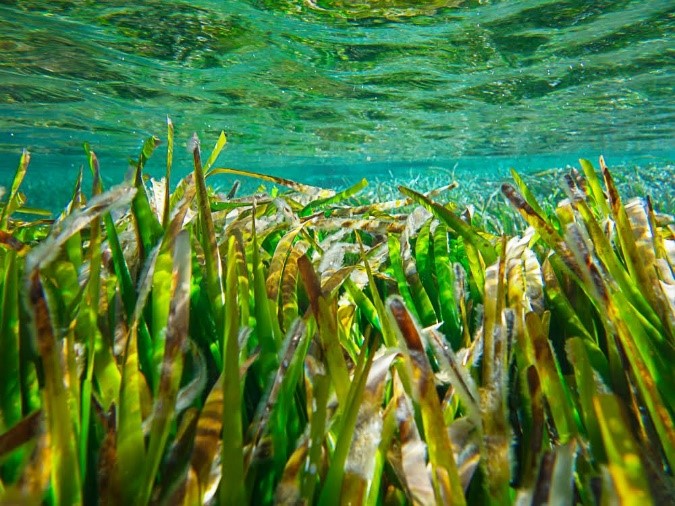
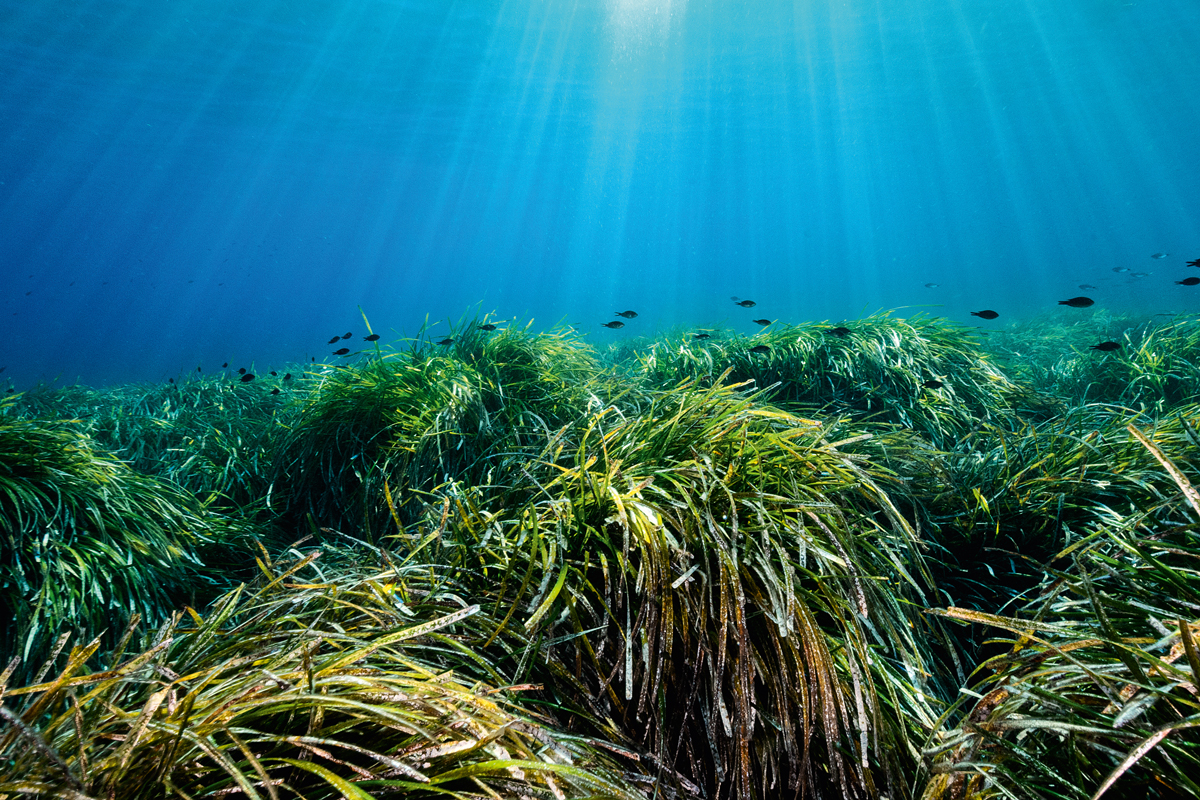
Today we will talk about Posidonia oceanica, a very important marine plant that by its appearance and its location can be mistaken for an algae, but it is not. Actually, it is an aquatic plant endemic to the Mediterranean Sea, where it can be found in the shallow seabed, near the surface and even at depths of 30 or 40 meters if the waters are clear enough. This plant occupies a large part of the Mediterranean coast, creating long meadows that hold a lot of marine biodiversity.
Botanical description
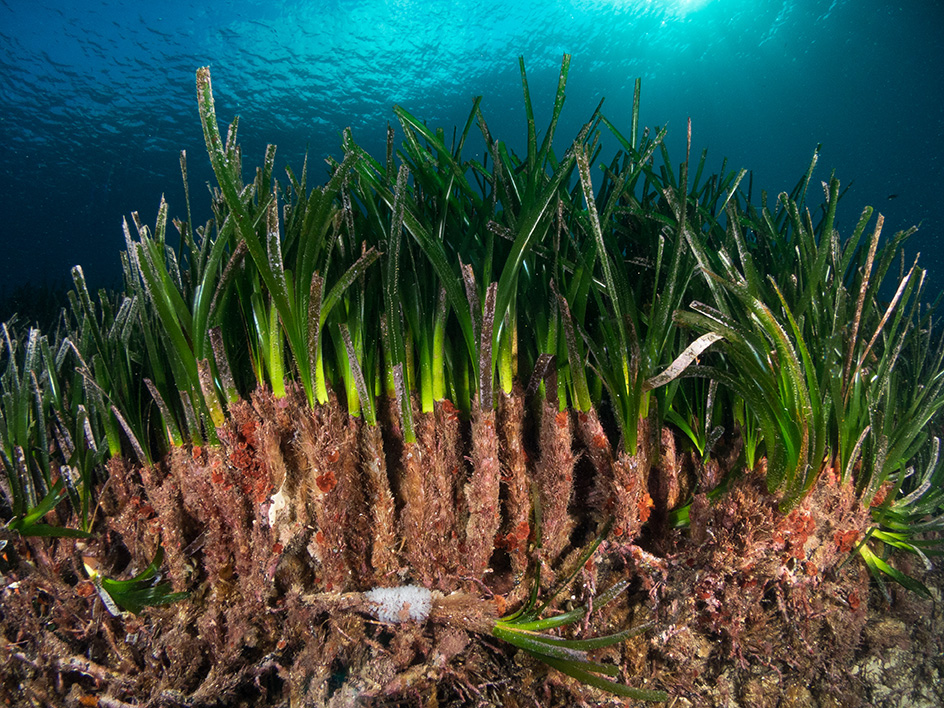
The Posidonia oceanica is an angiosperm plant, in other words, a flowering plant. It belongs to the class of monocotyledonous, to the order of Alismatales and to the family of Posidoniaceae. As we mentioned before, it is a plant, so it has roots, stem or rhizome (a subway stem that can spread for kilometers) and ribbon-shaped leaves, that give it a similar aspect to other terrestrial herbaceous plants. Moreover, unlike algae, it can grow both in a sandy and a rocky substrate.
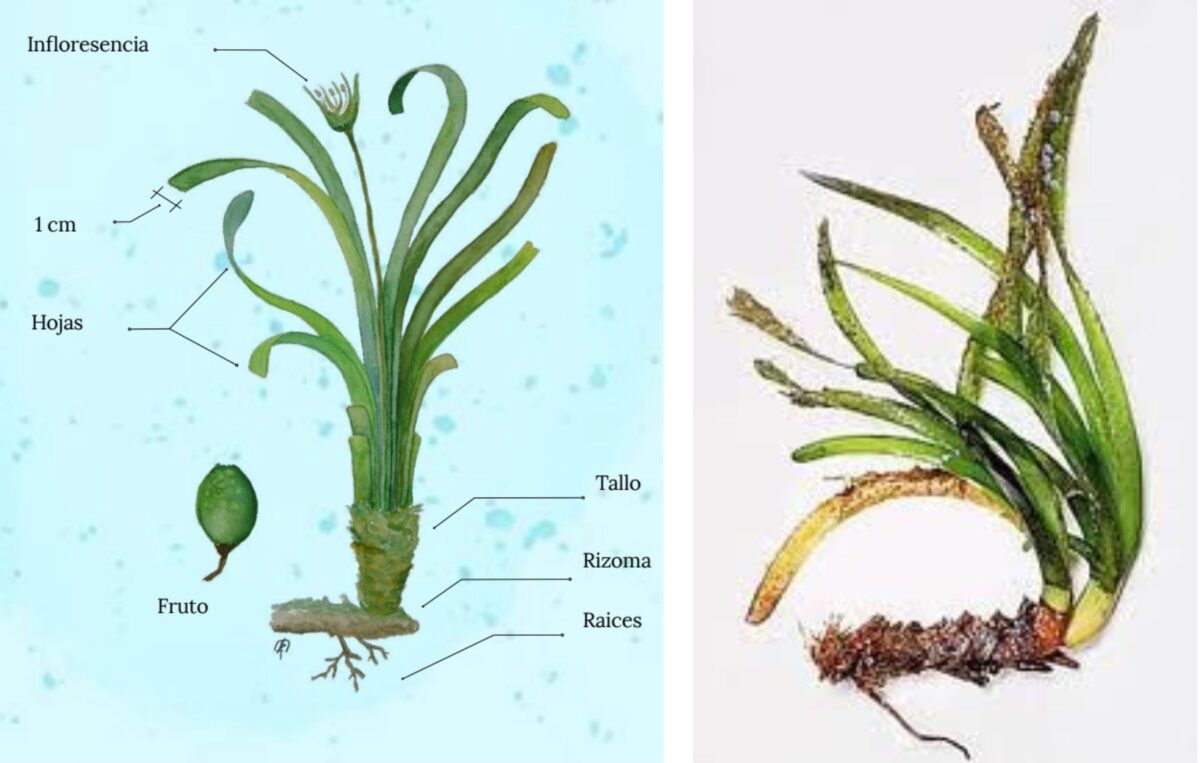
During autumn, posidonia starts its blossoming and reproduction period, which can be either sexual (by hydrophilic pollination) or asexual (predominant mechanism that consist of vegetative reproduction from the elongation of the rhizome). Its flowers are hermaphrodite, not very showy and are grouped in inflorescences.
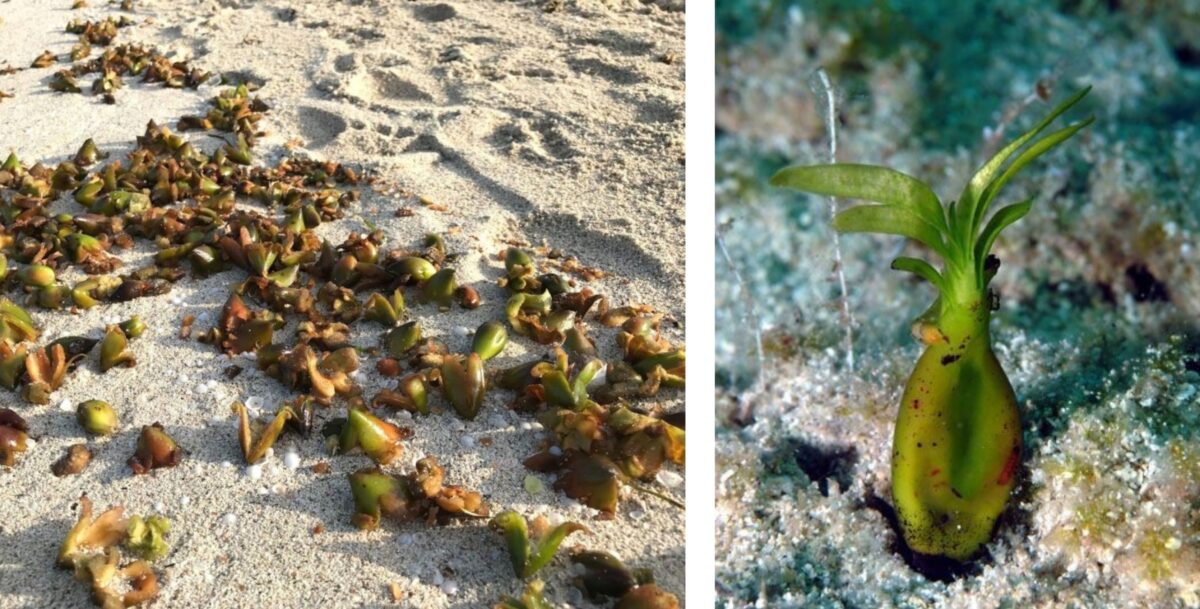
Also in this season, its leaves change from dark green to brown, and later, they fall off and reach the coastline, sometimes in the form of little wrapped balls called Neptune balls. In the spring, they produce their fruits, the sea olives. Finally, a unique characteristic of this plant is its reduced growth rate, which in the case of rhizomes is only 0,5 cm to 1 cm per year.
A fundamental and powerful plant by its ecological value
We dare say that posidonia acts like a true heroine in the waters of the Mediterranean, because it develops functions of great importance in the conservation and improvement of the ecosystem. On one hand, it is capable of keeping the sandy sediments between its rhizome. How? Because the particles that fall into the meadows are deposited between the roots and rhizomes and end up creating a compacted substrate called “mat”, a long-lasting structure that over time gives place to the “reef-barrier” system. This structure reduces the hydrodynamic energy on the coastline, protecting the beaches from the erosion of waves and sand loss, a very common problem of our Levantine coast. In addition, it maintains the waters clear and the sand white, a symbol of environmental quality and a factor appreciated by those who walk along the beach.
Regarding the brown leaves that reach the coast, they also act like beach protectors, mitigating the impact that the waves have on the breaker line. Furthermore, Neptune balls are capable of trapping microplastics between their fibers, cleaning the waters of residues. Now you know, when you find these plant remains don’t think: how dirty is the beach!, but on the contrary.
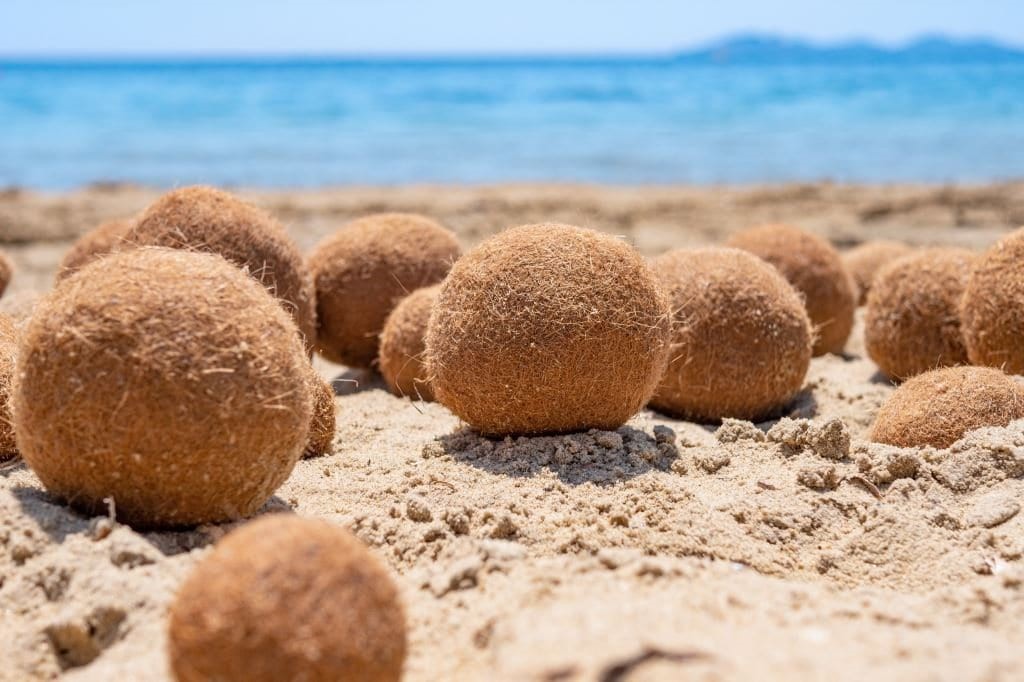
Simultaneously, posidonia acts like a marine lung and filter, producing oxygen in large quantities, capturing dissolved carbon and keeping the waters clean and transparent. Its environmental function is so important that it is believed that 1 square meter of posidonia meadow creates as much oxygen as the equivalent of 10 square meters of rainforest. As for its ability to capture and store carbon, it is proven that posidonia can also trap more than twice as much carbon as the world’s tropical and temperate forests. This way, meadows contribute to the mitigation of the effects of global warming. So, imagine the importance of their conservation, which we will discuss later.
In addition, posidonia meadows are considered “hot spots” of biodiversity, with an ecological importance similar to that of coral reefs or mangroves. These plant formations serve as a permanent habitat, breeding, feeding and shelter area for more than 1.000 species of fauna and more than 400 plant species. Among the diversity associated with these meadows we can find some species of fish, algae, bivalves, echinoderms, cnidarians or gastropods.
Even though it seems exaggerated, posidonia is considered by the scientific world as the longest living being in the world, with ages up to 100.000 years! Its extensive rhizome has the ability to create clones of the same individual although they are far from each other, some of them separated by more than 15 kilometers.
Cultural values associated with posidonia
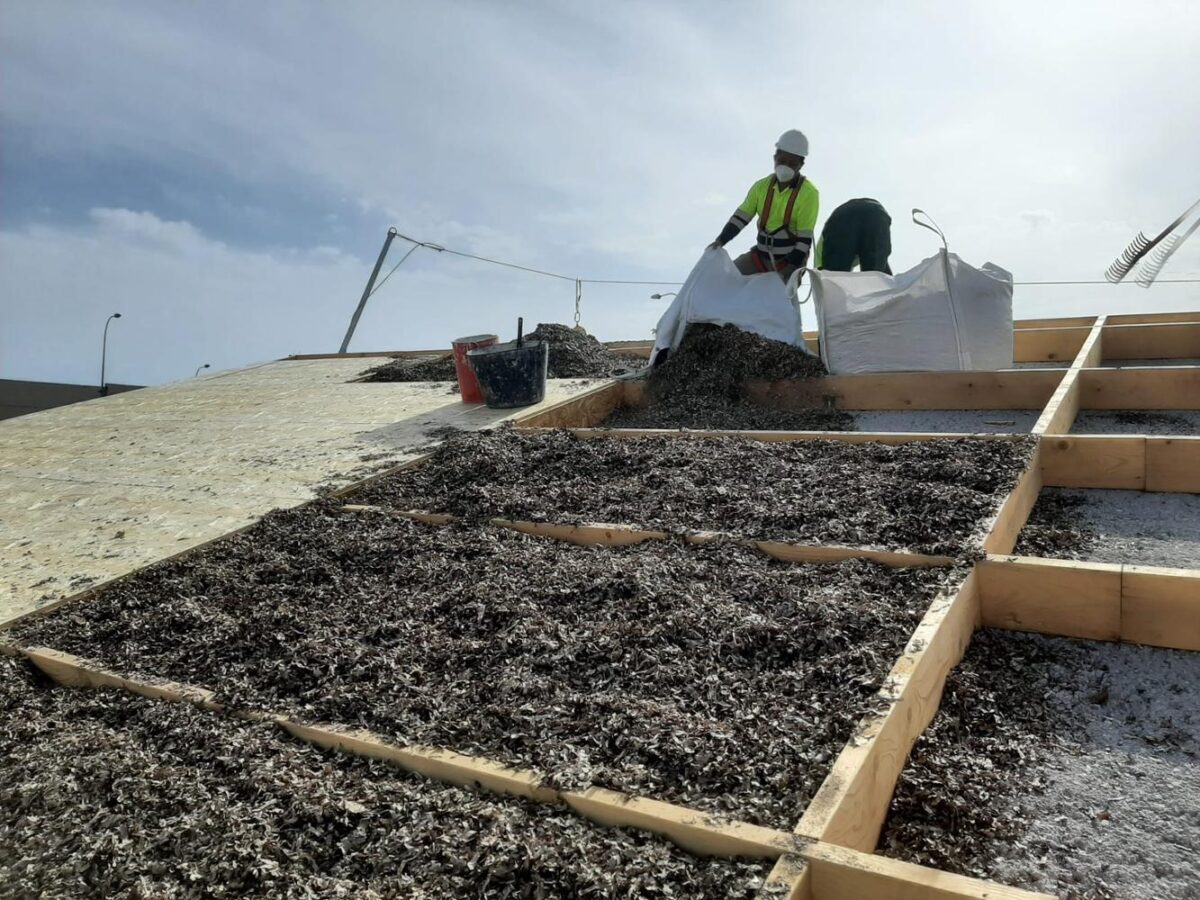
Posidonia has traditionally been known as “Neptune’s grass” and throughout history it has had several uses. For example, there is evidence that about 100.000 ago its leaf remains were used as a mattress for sleeping and, in Egypt, Neptune balls were used for sandal material. Other uses that the plant has had historically and that can be used today are: to stuff pillows, to produce paper pulp, applications in construction (because the leaves are recalcitrant and act as isolators), agricultural uses, fuel for bonfires or even as medicinal remedies, due to its fungicidal, bactericidal and antiviral substances.
What are the threats to the plant?
Unfortunately, this marine treasure is threatened by different factors. Trawling and seabed dredging are two of the threats with more negative effects on the meadows, reducing their density and coverage and fragmenting their extension.
The modification of the coastline is another serious threat, because the construction of tourist, urban or industrial infrastructures along the coast (ports, promenades, hotels, artificial beaches, etc.) trigger the direct disappearance of the meadows due to the destruction of the seabed, or their severe deterioration due to the modification of the ideal environmental conditions for the growth and survival of the plant.
In this sense, one of the problems is the increase of the turbidity and salinity of the waters. The marine environment is a recipient of every type of contaminants, spills and activities (for example, the anchoring of ships or aquaculture) that result in the increase of marine, fluvial or other types of sediment suspension, which reduce the transparency of the water and affect negatively to the meadows.
Likewise, marine pollution causes devastating effects on the meadows. This plant is considered a bioindicator of water quality and, due to its sensitivity, the spillage of residual waters or industrial residues, among others, endangers its survival, causing the reduction of the meadows along the coast. However, measures like the construction and improvement of wastewater treatment plants facilities and the implementation of quality control systems have reached a stabilization of the species.
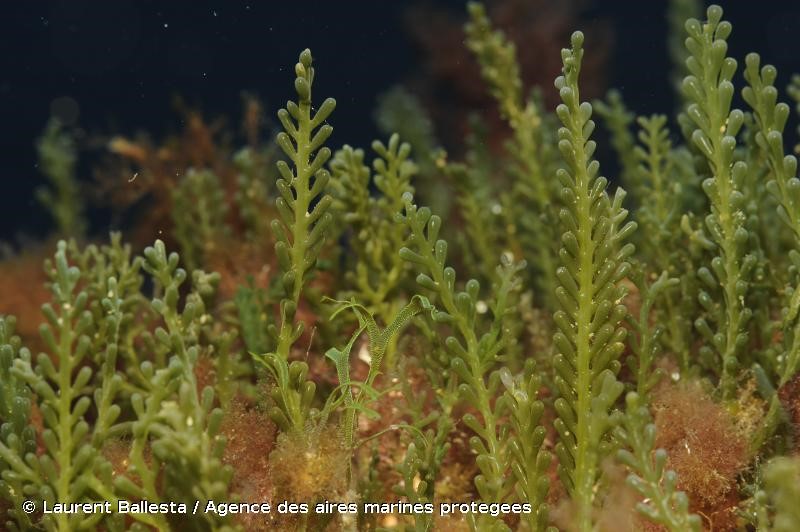
Finally, the presence of the seaweed Caulerpa racemosa also endangers the survival of the posidonia; specifically the cylindracea variety, an invasive species from the southwestern Australia that has the potential to make it disappear and reduce the marine biodiversity once it invades the ecosystem. It is so dangerous because it contains toxins that prevent wildlife from eating it, meaning it has no natural predators that regulate its growth and spread.
How to protect the posidonia?
As you can imagine the previous list of threats is very concerning, because the growth of posidonia is very slow and not always can recover from the negative impacts that affect it. In this context, and because of its importance in the biodiversity of the Mediterranean marine environment, posidonia is catalogued by the Convention on International Trade in Endangered Species of Wild Fauna and Flora and is included in the List of Wild Species under Special Protection Regime in the Mediterranean. In addition, in order to guarantee its protection, posidonia is included as an priority habitat in the European Union’s Habitats Directive.
In order to guarantee the protection of the posidonia against the impacts of trawling, the European Union Fisheries Regulation for the Mediterranean expressly forbids this technique on marine angiosperm meadows and, as a direct action, during the 1980s and 1990s artificial antitrawl reefs were installed to prevent the erosive action of fishing nets on the seabed.
Nowadays, they are developing a large number of informative and educational activities related to posidonia, such as the Life Posidonia Andalucía project, the Posidonia Festival and the Posidonia route in Formentera or the manual of meadow tracking manual from IEO (Instituto Español de Oceanografía) aimed at the volunteer diver.
We must mention POSIMED as well, a platform for citizen participation created with the purpose of coordinating tracking networks of the posidonia meadows in Spain, communicating the progress with volunteer divers who participate and communicating the results to the public, promoting the diffusion of knowledge and involving society in marine conservation.
Where can I find posidonia?
If you’re wondering where you can find posidonia meadows, in the Valencian coast there are distributed in all provinces. Although in Alicante its presence stands out considerably, it can be found in almost all the coastal municipalities of Alicante, except Guardamar del Segura, where the influence of the mouth of the Segura doesn’t allow the proliferation of the plant. Among the most remarkable areas are Santa Pola – Altea and, specially, the meadow that extends between Cabo Huertas and the Tabarca Island, which turned out to be the first Marine Reserve declared in Spain.
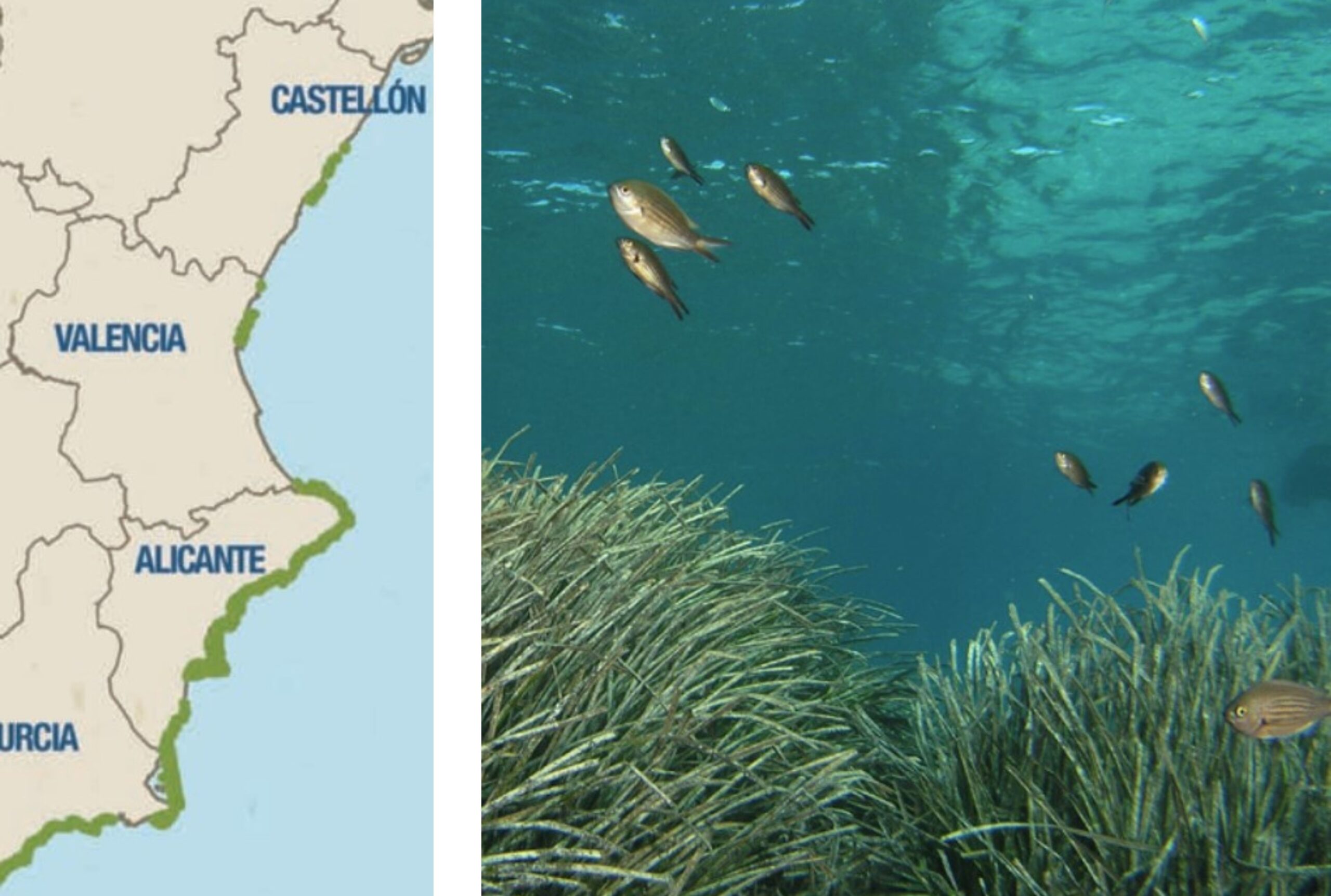
In València, Posidonia is less common, but it can be found in areas like the Cabo de Cullera (between Oliva and Tavernes de la Valldigna) and in some areas from Sagunto like Pobla de Farnals or Canet d’en Berenguer. In the province of Castellón there are meadows located between Alcossebre and Oropesa del Mar with a good state of conservation. Now that you know what it looks like, what it does and where to find it, are you up for a visit next summer?
Bibliografia
AQUAE fundación: the essential plant of the Mediterranean.
Buceo en la Comunitat Valenciana. Posidonia oceanica.
Ministerio de Transición Ecológica y Reto Demográfico (MITERD). Posidonia oceanica.
National Geographic. Posidonia, a plant to save the Mediterranean.
Ruiz J. M., Guillén J. E., Ramos Segura A., Otero M. M. (2015). Atlas of the seagrass meadows of Spain. Spanish Institute of Oceanography.
 External Colaborator